

The anticipation for a global sporting event of this magnitude creates a unique atmosphere that transcends stadium boundaries. When North America hosts the world's most prestigious football tournament, the celebration covers an entire continent, stretching from the Pacific Northwest to the heart of Mexico and the Atlantic coastline. This cultural phenomenon invites travelers to explore the vast diversity of three nations through a cohesive, multi-city journey. Planning such an adventure requires a blend of logistical precision and a spirit of discovery to balance high-octane matches with meaningful exploration. Navigating transcontinental itineraries involves understanding regional transit networks and localized celebrations that turn every host city into a global capital. This travel guide is designed to help visitors maximize their vacation by focusing on the primary pillars of the North American experience.
So, how can you effectively map a multi-country football vacation across North America?
 Source: averie woodard/Unsplash
The art of route optimization and geographic clusters
The primary challenge for any traveler embarking on this journey is the geographic sprawl of the host cities. To avoid spending the entirety of the vacation in transit, savvy planners focus on regional clusters. The continent can be viewed through the lens of specific corridors: the Northeast, the West Coast, the Central Plains, and the Mexican Highlands. By selecting a specific region as a base, travelers can minimize long-haul flights and instead utilize regional rail networks or scenic driving routes. For instance, the corridor between Boston, New York, Philadelphia, and Toronto offers a dense concentration of history and sporting infrastructure. Here, the transition from the bustling streets of Manhattan to the clean, lakeside charm of Toronto can be achieved in a matter of hours. This approach allows for a "slow travel" experience where the nuances of each city – from the specific style of its pizza to the accent of its residents – can be fully appreciated without the pressure of a looming flight boarding time.
Conversely, the West Coast cluster presents a different aesthetic, characterized by dramatic coastal drives and a laid-back atmosphere. Connecting Vancouver with Seattle, San Francisco, and Los Angeles involves traversing some of the most beautiful highways in the world. The Pacific Coast Highway serves as more than just a transit route; it's a destination in its own right. Travelers can watch a midday match in the rainy greenery of Seattle and, within a few days of driving, find themselves under the palm trees of Southern California. This geographic strategy also facilitates better recovery time between matches. Instead of battling jet lag across four time zones, staying within a single meridian allows for a more natural rhythm of rest and exploration. It also provides a buffer for the unexpected delays that inevitably occur during peak travel seasons, ensuring that a minor logistical hiccup doesn't result in a missed kickoff.
Infrastructure and the logistics of modern transit
The modern traveler benefits from an increasingly integrated transportation network, yet the sheer volume of visitors necessitates a proactive approach to logistics. Air travel remains the backbone of long-distance movement, but the focus has shifted toward efficiency and "smart" airport experiences. Biometric boarding and advanced security screening are now the standard at major hubs like Atlanta (ATL), Dallas-Fort Worth (DFW), and Mexico City (MEX), significantly reducing the friction of international travel. However, the high demand for flights between host cities means that alternative modes of transport are becoming more attractive. High-speed rail initiatives and enhanced bus services between neighboring cities offer a more sustainable and often more scenic way to navigate the continent. For those opting for a road trip, the infrastructure for electric vehicles has matured to a point where a cross-country journey isn't only possible but convenient, with charging stations integrated into major rest areas and hospitality centers.
Beyond the physical movement between cities, the "last mile" of the journey – getting to the stadium or the city center – requires careful planning. Host cities have invested heavily in public transit expansions to accommodate the surge of fans. Utilizing these systems is often the most efficient way to avoid the congestion and high costs of event-day parking. Many cities offer integrated transit passes that provide unlimited access to subways, light rail, and buses, often bundled with tourist discounts for local attractions. Understanding the specific logistics of each venue is crucial; for example, some stadiums are located in the urban core, while others are situated in suburban areas that require a dedicated shuttle service. By researching these details in advance, travelers can avoid the stress of navigating unfamiliar traffic patterns and spend more time engaging with the local fan culture in the vibrant "fan zones" established in city parks and plazas.
Sustainable travel and the rise of "cool-cations"
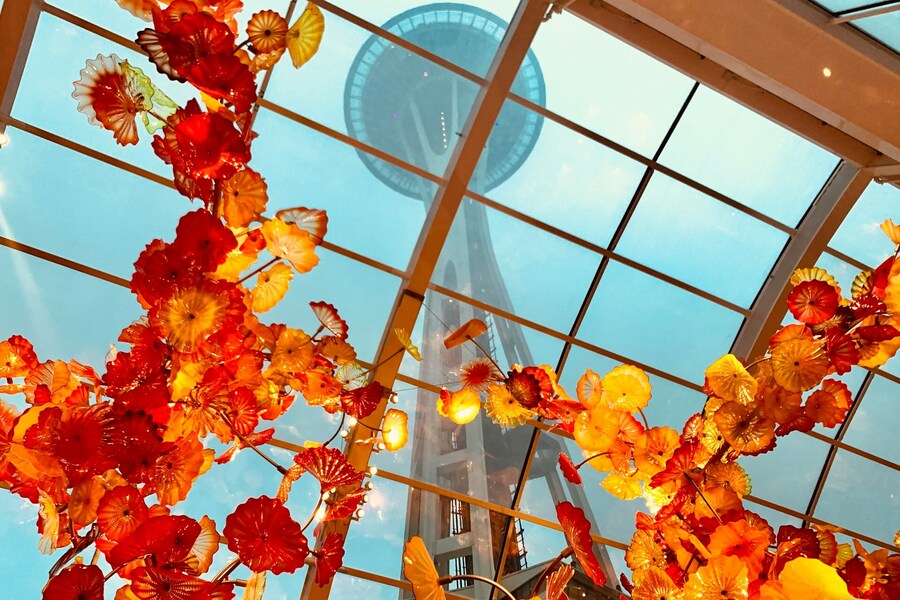
As global temperatures shift, a new trend in vacation planning has emerged: the "cool-cation." For a summer tournament, this means prioritizing host cities with milder climates or engaging in activities that offer respite from the heat. Cities like Vancouver, Seattle, and Toronto become particularly attractive during the mid-summer months, offering comfortable temperatures for outdoor viewing parties and hiking excursions. Travelers are increasingly seeking out destinations that allow them to enjoy the festive atmosphere without the physical toll of extreme humidity. This trend also aligns with a growing emphasis on sustainable travel. Many fans are choosing to offset their carbon footprint by selecting eco-friendly accommodations, supporting local farm-to-table dining, and participating in "leave no trace" tourism in the national parks located near host cities. This conscientious approach ensures that the influx of millions of visitors has a positive, rather than a detrimental, impact on the local environment.
Moreover, the concept of sustainability extends to the social and economic impact of the trip. Travelers are encouraged to venture beyond the immediate vicinity of the stadiums and explore the diverse neighborhoods that give each host city its character. In Mexico City, this might involve a trip to the colorful markets of Coyoacán; in Philadelphia, a walk through the historic cobblestone streets of Old City. By distributing their spending across local businesses, visitors contribute to the long-term vitality of the host communities. This "deep travel" philosophy turns a sports-centric vacation into a meaningful cultural exchange. It allows travelers to see the world not just through the lens of a television broadcast, but through the lived experiences of the people who call these cities home. This holistic view of the vacation experience is what transforms a simple trip into a life-defining journey.
Accommodation strategies in a high-demand environment
Securing a place to stay during a global event requires a departure from traditional booking habits. The sheer demand for hotel rooms in host cities often leads to soaring prices and limited availability. As a result, many travelers are turning to alternative accommodation models. Short-term rentals in residential neighborhoods offer a more authentic glimpse into local life and often provide better value for families or groups of friends. However, the most successful strategy often involves staying in "satellite" cities – smaller towns located an hour or two away from the primary host venue. These locations typically offer more competitive rates and a quieter atmosphere, providing a welcome escape from the 24-hour energy of the match-day festivities. With a reliable rental car or regional train connection, these satellite locations serve as excellent base camps for exploring the wider region.
Another emerging trend is the "hospitality hub," where specific hotels or resorts cater specifically to fans of certain teams or regions. These hubs often feature dedicated shuttle services to the stadium, on-site viewing parties, and specialized menus that celebrate the culinary traditions of the participating nations. For those seeking a more luxurious experience, many of the newest hotel developments in North America have been designed with the 2026 tournament in mind, featuring state-of-the-art wellness centers and high-tech amenities. Regardless of the budget, the key to a successful stay is flexibility. Being open to different neighborhoods or types of lodging can reveal hidden gems – like a boutique inn in a historic district or a modern loft in a converted industrial area – that might otherwise be overlooked in a frantic search for the closest possible hotel to the stadium gates.
Integrating essential travel logistics and airport planning
A crucial but often overlooked aspect of a multi-city road trip is the management of the transitions between driving and flying. Many travelers choose to drive a portion of their route and fly the rest, necessitating a strategic approach to vehicle storage and airport transitions. For those flying into or out of regional hubs to catch specific matches, finding reliable and cost-effective solutions for their vehicles is paramount. For instance, travelers passing through the Piedmont Triad region might find that searching for GSO Airport parking provides a much-needed logistical anchor. Utilizing professional services to find GSO parking deals allows fans to focus on the excitement of the next match rather than worrying about the safety or cost of their vehicle during their absence. These small details, when handled in advance, create a seamless flow between the different legs of the journey, ensuring that the transition from a cross-country drive to a transcontinental flight is as stress-free as possible. You can find more information here.
Conclusion

Source: Greg Rosenke/Unsplash
A vacation built around this global tournament is defined by the stories gathered across a continent united by sport. By balancing meticulous planning with open-minded spontaneity, travelers can navigate the logistics of a three-country event while discovering the unique hospitality of North America. Whether exploring bustling metropolises or quiet coastal highways, the journey itself remains the ultimate prize. From the historic Atlantic shores to the vibrant landscapes of Mexico, this multi-city road trip offers a window into a more connected and sustainable future for global travel. As the final whistle blows, the lasting impact will be the shared human experiences and the thrill of discovery that accompany every mile driven. May your journey be filled with incredible matches, safe travels, and unforgettable adventures!


