

The concept of "set-jetting" has evolved from a niche hobby for hardcore cinephiles into a dominant travel trend that dictates how millions of people plan their annual leaves. In the current landscape of global tourism, the screen acts as the ultimate travel brochure. Whether it's a sprawling epic on a premium cable network or a cozy romantic comedy on a streaming giant, the visual allure of a filming location often outshines the plot itself. This year has seen a significant surge in travelers seeking out the specific coordinates where their favorite characters navigated high-stakes drama or fell in love against backdrops of jagged cliffs and sun-drenched piazzas.
Travelers are no longer content with generic beach holidays or standard city breaks. Instead, they want to stand where the cameras once rolled, capturing that perfect social media shot that bridges the gap between digital fiction and physical reality. The following travel guide explores the most influential streaming hits of the year and the real-world destinations they have catapulted into the spotlight, providing a roadmap for those looking to turn their living room daydreams into authentic adventures. From the mist-covered moors of Northern England to the ancient ruins of the Peloponnese, these are the locations defining the spirit of exploration right now.
So, why has screen-inspired travel become the primary driver for modern vacations?
 Source: Sofia Vila Flor/Unsplash
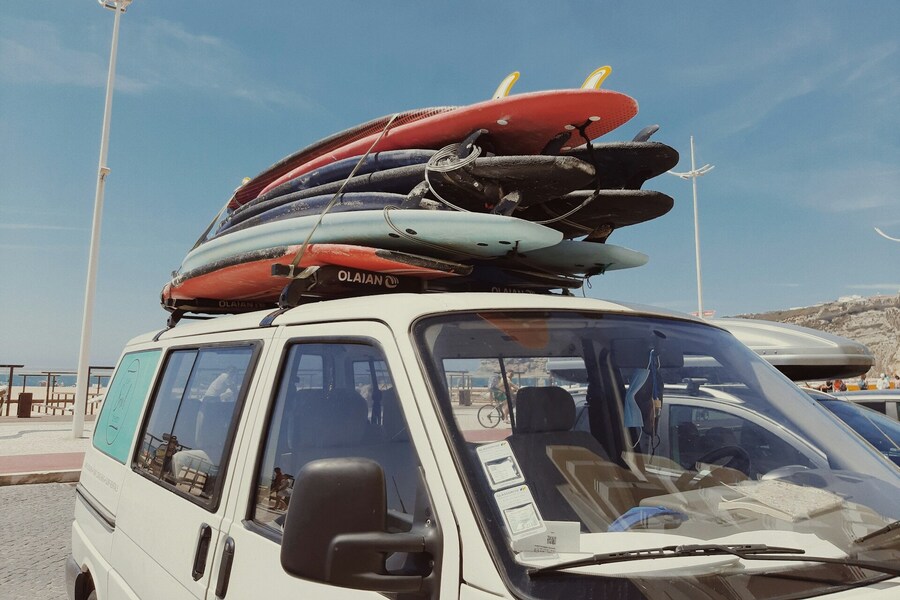
The shift toward set-jetting is rooted in the deep emotional connection viewers form with serialized storytelling. When an audience spends dozens of hours immersed in a specific world, that environment becomes a character in its own right. As production budgets for streaming services rival those of major motion pictures, the quality of location scouting has reached unprecedented heights. This has resulted in a global treasure hunt where fans use architectural clues and topographical features to identify hidden gems. The psychological appeal lies in the "main character energy" that travelers feel when they visit these sites; it's an opportunity to step into a curated aesthetic that feels more vibrant than daily life. Moreover, the accessibility of remote filming locations has increased as local governments realize the massive economic potential of film tourism, often investing in infrastructure to welcome the inevitable influx of visitors once a series goes viral.
The gothic grandeur of Ireland and the rise of shadowy escapism
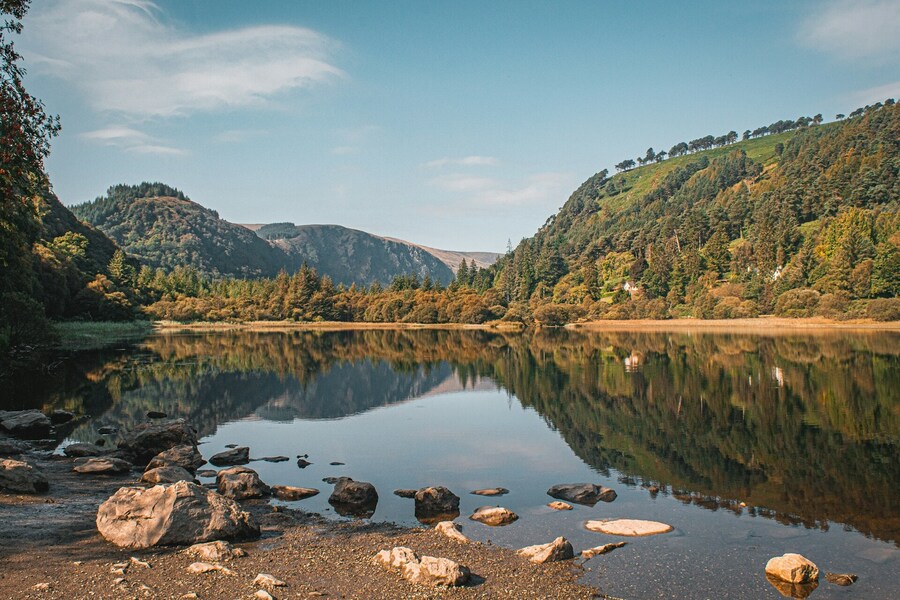
One of the most significant shifts in travel preferences this year has been the move toward "moody" destinations, a trend heavily influenced by the return of supernatural and gothic dramas on major streaming platforms. Ireland, with its inherently dramatic landscapes, has become the epicenter for this aesthetic. The rugged beauty of Wicklow National Park and the imposing stone architecture of historic estates have seen a massive uptick in interest. Visitors are drawn to the emerald-green valleys and mist-shrouded forests that provided the backdrop for some of the year's most-watched dark fantasies.
The appeal of Ireland for a set-jetting vacation lies in its ability to offer a multi-sensory experience. It isn't just about seeing a castle that appeared on screen; it's about feeling the damp Atlantic breeze and hearing the echoes of history in ancient halls. Beyond the specific filming sites, the surge in tourism has revitalized small villages where travelers stop for traditional meals and locally crafted goods. This type of travel encourages a slower pace, moving away from the "checklist" style of tourism toward something more immersive and atmosphere-driven. For those seeking a vacation that feels both timeless and trendy, the Irish countryside offers a perfect blend of cinematic mystery and genuine hospitality.
Mediterranean epics and the renaissance of ancient ruins
While dark and moody settings have their fans, the perennial allure of the Mediterranean remains stronger than ever, fueled by high-budget historical epics and sun-soaked dramas. The Peloponnese region of Greece has experienced a literal "odyssey" of its own in terms of popularity. Producers have utilized the ancient ruins, beach-adjacent caves, and rugged coastlines to tell stories of mythic proportions. This has led to a renewed interest in archaeological sites that were previously overshadowed by more famous landmarks in Athens or Santorini.
In a similar vein, the Dalmatian Coast of Croatia continues to benefit from its association with high-stakes political dramas and romantic adventures. The turquoise waters of the Adriatic Sea and the terracotta rooftops of towns like Dubrovnik remain iconic, but travelers are now venturing further into the smaller islands and hidden coves featured in recent releases. This shift is helping to distribute tourism more evenly along the coast, encouraging visitors to explore the medieval architecture of Korčula or the hidden beaches of the Makarska Riviera. The Mediterranean set-jetting experience is defined by a "glamorous history" aesthetic, where travelers can spend their mornings exploring thousand-year-old fortifications and their afternoons on a luxury yacht, mimicking the lifestyles of the characters they admire.
The tropical allure of Polynesia and the Pacific Rim
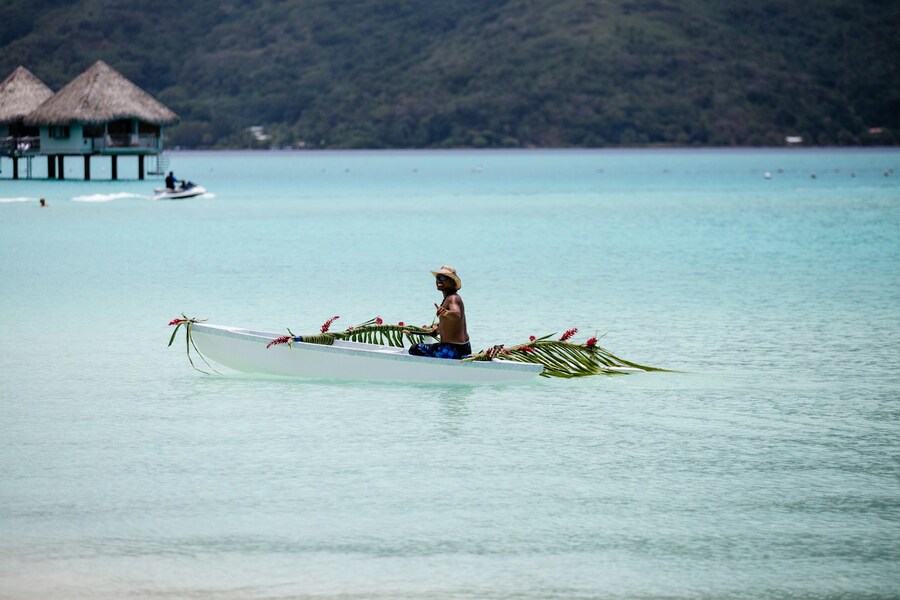
The influence of streaming hits has also pushed travelers toward the vast expanses of the Pacific, particularly Hawaii and Samoa. Live-action adaptations of beloved animated stories and tropical-set romantic comedies have turned the spotlight on the lush greenery and volcanic landscapes of these islands. O'ahu, in particular, has seen a resurgence in fans wanting to explore the palm-fringed beaches and sacred temples that serve as the backdrop for epic island adventures. The visual language of these productions – vibrant blues, deep jungle greens, and golden sunsets – has become the standard for "paradise" in the eyes of the modern traveler.
Samoa, often confused with its American counterpart, has emerged as a standout destination for those looking for a more untouched version of the tropical dream. The focus on local culture and traditional sailing canoes in recent streaming hits has encouraged a more respectful and curious form of tourism. Travelers are increasingly interested in the "To Sua Ocean Trench" and other natural wonders that feel like they have been lifted directly from a film set. This trend highlights a growing desire for vacations that offer both physical beauty and a sense of cultural depth, moving beyond the traditional resort experience to find something more authentic.
British moors and the timeless appeal of the English countryside
The rolling hills and cobblestoned villages of Yorkshire have reclaimed their place in the travel zeitgeist this year. The enduring popularity of period dramas and cinematic adaptations of literary classics has made the North of England a prime destination for "literary set-jetting." Travelers are flocking to the Brontë Parsonage Museum and taking scenic train rides through the Dales, seeking the romantic isolation and rugged charm depicted on screen. The appeal here is often nostalgic, pulling in audiences who want to experience a version of England that feels preserved in time.
What makes the Yorkshire experience unique is the seamless integration of film history with real-world heritage. Visitors can stay in the same historic manor houses where cast members resided during production, adding a layer of behind-the-scenes glamour to their stay. The trend has also boosted interest in the "North Yorkshire Moors Railway," where the sight of a steam train chugging through a purple-hued landscape provides the ultimate cinematic moment. For many, this type of vacation is about finding beauty in the quiet, expansive nature of the countryside, proving that a destination doesn't need tropical heat or ancient ruins to be a screen-inspired powerhouse.
Logistical sophistication and the modern travel experience
As the desire to visit these far-flung locations grows, so does the need for a more sophisticated approach to travel logistics. The modern vacationer understands that a seamless journey starts long before they reach their cinematic destination. This includes everything from digital nomad visas that allow for longer stays in filming hubs to the practicalities of getting to the airport. For those traveling from the Midwest to reach international gateways, finding reliable services like CLE Airport parking is a small but vital part of the puzzle. Utilizing CLE parking deals allows travelers to focus their budget on the experiences that matter, such as private tours of filming locations or boutique stays in on-screen villas. Efficiency in these early stages of a trip ensures that the transition from reality to the "movie world" is as smooth as possible.
So, is this trend here to stay?
Source: Elliot Voilmy/Unsplash
The phenomenon of set-jetting is far more than a passing fad; it represents a fundamental change in how the world is marketed to consumers. As long as streaming platforms continue to invest in visually stunning locations, travelers will continue to follow the cameras. This symbiotic relationship between the entertainment and travel industries has created a new type of global citizen – one who views the world through a cinematic lens and seeks out stories in every landscape. The challenge moving forward will be for these popular destinations to manage their newfound fame sustainably, ensuring that the very beauty that attracted the filmmakers in the first place is preserved for future generations of "set-jetters."
Ultimately, a vacation inspired by a streaming hit is about more than just a photo opportunity. It's an exploration of why certain places capture our collective imagination. Whether it's the wild moors of England, the historic streets of Rome, or the tropical islands of the Pacific, these locations offer a tangible link to the stories that move us. By stepping onto these real-life sets, travelers aren't just witnessing a location; they are participating in the ongoing narrative of global culture. As the screen continues to expand our horizons, the world becomes a little smaller, a little more accessible, and a lot more spectacular.


