

The transition from the vibrant energy of summer to the introspective calm of autumn marks a significant shift in the global travel landscape. As the sweltering heat of the coastal regions dissipates, a new breed of traveler emerges – one who seeks the crisp air, the changing palette of the highlands, and the understated elegance of quiet luxury. This concept, which prioritizes exclusive experiences, architectural harmony, and high-quality craftsmanship over ostentatious displays of wealth, finds its most natural home in the mountains. In these elevated terrains, luxury is not merely about the price point but about the depth of the silence, the purity of the local gastronomy, and the seamless integration of modern comforts within rugged, ancient landscapes.
Planning a fall getaway requires a strategic approach to destination selection, as the "shoulder season" offers a unique window where the crowds have thinned, yet the harshness of winter hasn't yet taken hold. This travel guide explores the most compelling mountain enclaves currently defining the luxury travel sector. These locations have been chosen for their ability to provide an immersive escape, blending traditional heritage with contemporary sophistication. Whether it's the rhythmic clinking of cowbells in the Swiss meadows or the sharp, architectural lines of a sustainable lodge in the Japanese Alps, the following analysis provides a comprehensive blueprint for an elevated autumnal retreat.
So, how can travelers identify the ultimate destinations for an elevated fall retreat?
Identifying the ideal location for a quiet luxury vacation involves more than just selecting a scenic backdrop; it requires an evaluation of the region's commitment to authentic hospitality and environmental stewardship. The modern traveler seeks a narrative – a connection to the land that feels both curated and organic. As we look toward the upcoming autumn season, certain regions stand out for their ability to balance high-end infrastructure with untouched natural beauty. These destinations move beyond the typical tourist traps, offering instead a sense of discovery and a sanctuary from the digital noise of urban life.
To achieve this balance, one must look toward regions that have successfully preserved their cultural identity while embracing modern design principles. The following points represent the most significant geographical and experiential clusters for those seeking a sophisticated mountain escape. By examining the unique characteristics of each area, travelers can align their personal preferences with the specific sensory and cultural offerings of these hidden gems.
The refined serenity of the Italian Dolomites
 Source: Martin Grazer/Unsplash
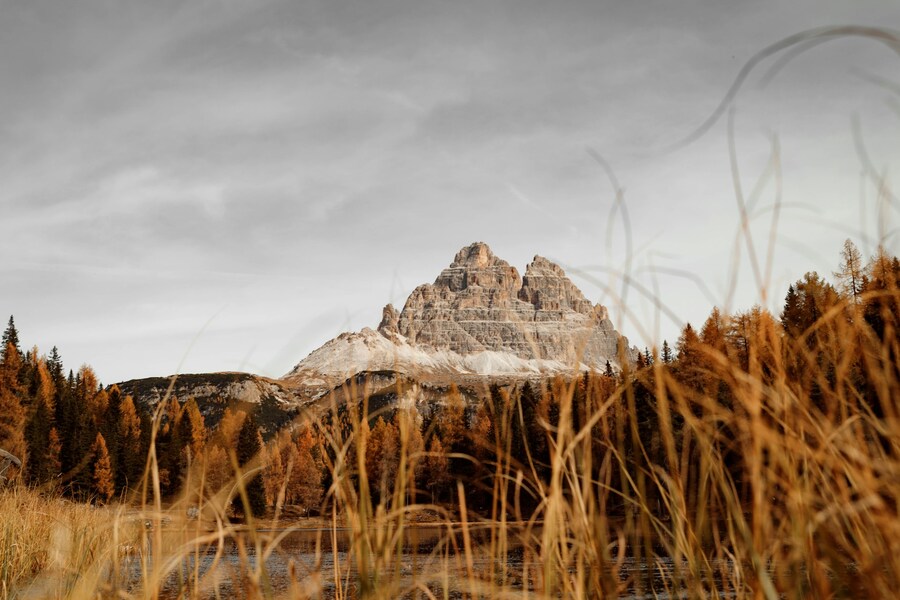
The Dolomites have long been recognized as a masterpiece of geological history, but their evolution into a premier destination for quiet luxury is a more recent phenomenon. This region, characterized by its dramatic limestone peaks and lush valleys, offers a distinctive blend of Italian flair and Alpine precision. During the fall months, the Larch trees turn a brilliant shade of gold, creating a sharp contrast against the pale rock faces. This visual spectacle provides a serene environment for those who appreciate the aesthetic value of the natural world.
Luxury in the Dolomites is increasingly defined by "wellness architecture." High-end retreats in areas like San Cassiano and Alta Badia are designed to be extensions of the mountain itself, utilizing local stone and reclaimed wood to create spaces that feel both ancient and avant-garde. Guests can expect a culinary scene that's equally elevated, with a high concentration of Michelin-starred restaurants that focus on "mountain-to-table" philosophies. Here, the experience is about the slow appreciation of a vintage South Tyrolean wine or a private guided hike through the Fanes-Sennes-Prags Nature Park, far removed from the bustling ski crowds of the winter months.
The logistical ease of the region also contributes to its luxury status. Private transfers and well-maintained mountain passes allow for seamless travel between valleys, each of which maintains its own linguistic and cultural micro-climate. For the traveler who values privacy and architectural beauty, the Dolomites represent the pinnacle of European mountain elegance, offering a quiet space to witness the changing seasons in their most dramatic form.
Emerging sophistication in the Blue Ridge Mountains
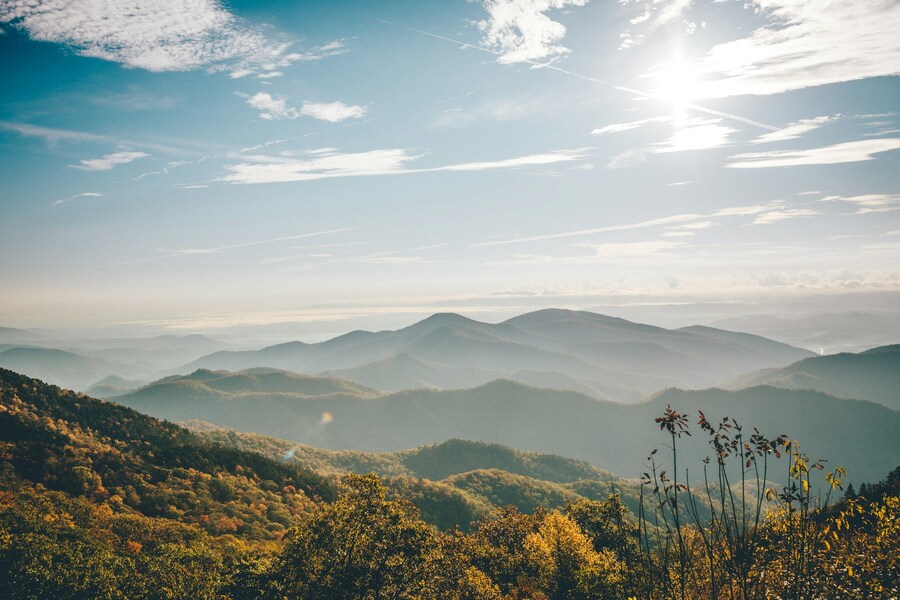
Across the Atlantic, the Blue Ridge Mountains of the United States are undergoing a significant transformation. Once seen primarily as a destination for rustic camping and casual road trips, the region – particularly around Highlands, North Carolina, and the Shenandoah Valley – has seen a surge in high-end boutique hospitality. The quiet luxury here is rooted in the "Southern Highlands" tradition, where hospitality is warm but unobtrusive. The fall foliage in this part of the world is legendary, with a diversity of tree species that produces a spectrum of color rarely matched elsewhere.
The luxury infrastructure in the Blue Ridge is characterized by expansive estates that prioritize land conservation. Travelers can find refuge in converted historical inns or modern, glass-fronted cabins that disappear into the forest canopy. These establishments often feature world-class equestrian centers, private fly-fishing reaches, and expansive SPAs that utilize indigenous botanicals. The focus is on the "great outdoors" viewed through a lens of extreme comfort.
In addition to the physical environment, the cultural landscape of the Blue Ridge is increasingly sophisticated. Local galleries and farm-to-table cooperatives provide a rich tapestry of experiences for the inquisitive traveler. The ability to spend a morning hiking a rugged section of the Appalachian Trail and an evening enjoying a tasting menu featuring locally sourced ramps and heirloom tomatoes exemplifies the modern luxury experience. This region offers a uniquely American take on the quiet mountain retreat, emphasizing space, heritage, and the quiet power of the wilderness.
Architectural innovation in the Japanese Alps
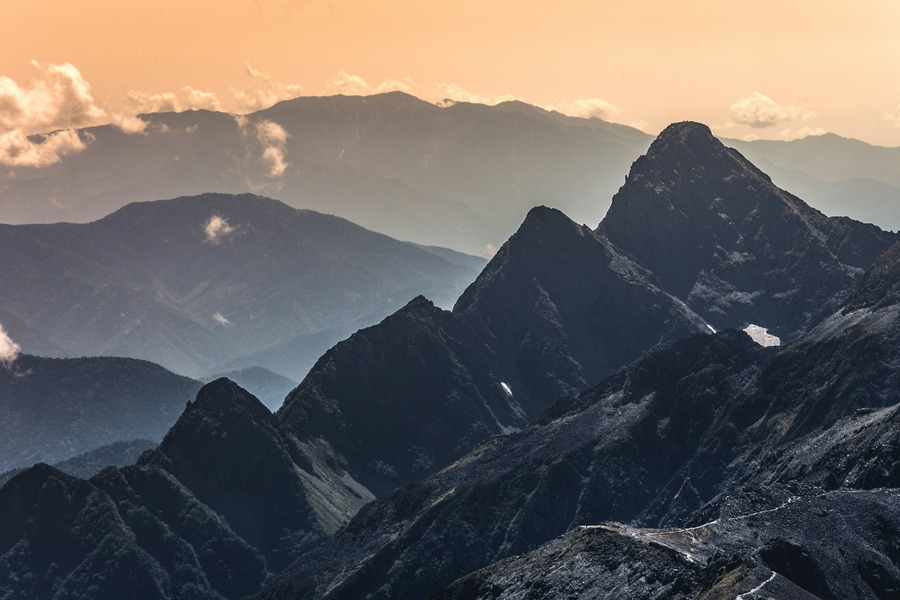
For those seeking a more minimalist and contemplative form of luxury, the Japanese Alps – spanning the Chubu region of Honshu – provide an unparalleled setting. The concept of "Satoyama," or the harmony between people and nature, is deeply embedded in the travel experience here. In the fall, the vibrant "koyo" (autumn colors) transform the landscape into a living tapestry of reds and oranges, particularly around the Kamikochi Valley and the historical villages of Shirakawa-go.
Quiet luxury in Japan is often found in the "Ryokan," or traditional inn, but a new wave of contemporary lodges is redefining the category. These properties combine the ritualistic elements of Japanese hospitality – such as the "onsen" (thermal bath) and "kaiseki" (multi-course) dining – with sleek, modern design. The use of light and shadow, central to Japanese aesthetics, creates environments that encourage meditation and stillness. The luxury here is found in the precision of the service and the profound silence of the cedar forests.
Navigating this region is a masterclass in efficiency, with high-speed rail links and private chauffeurs providing access to remote mountain passes. Travelers can explore the historical "Nakasendo" trail, walking between ancient post towns before returning to a sanctuary of steam and silk. The Japanese Alps offer a retreat that's as much about internal reflection as it's about external exploration, making it a cornerstone of the quiet luxury movement for the upcoming autumn.
The Alpine tradition reimagined in Switzerland
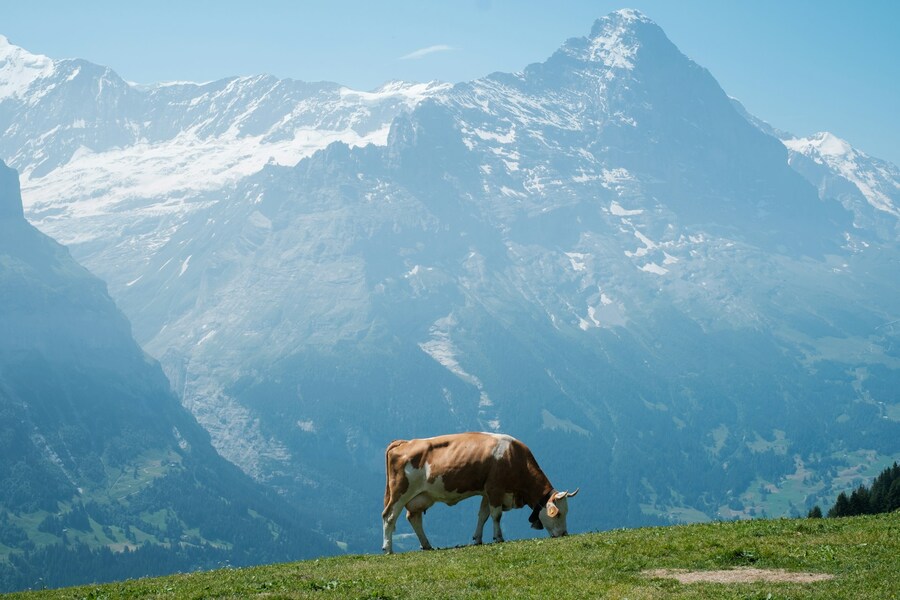
Switzerland remains the spiritual home of mountain luxury, but the contemporary approach has shifted away from the gilded grand hotels of the past toward more intimate, design-forward sanctuaries. In regions like the Engadin Valley and the Valais, the focus is now on sustainability and exclusive access. The Swiss fall is a time of "Desalpe," when cattle are brought down from the high pastures, but for the luxury traveler, it's a time of incredible clarity and crisp mountain air.
Modern Swiss luxury is found in the "slow travel" movement. This might involve a private carriage ride through the car-free village of Zermatt or a multi-day trek between high-altitude design hotels where your luggage is discreetly transported for you. The culinary offerings have also evolved, with a focus on artisanal cheeses, mountain-cured meats, and innovative plant-based cuisine that reflects the purity of the Alpine environment.
The integration of technology into the travel experience is subtle but effective. From high-tech climate control in timber-clad suites to advanced wellness treatments that utilize Alpine minerals, every detail is engineered for maximum comfort without disrupting the natural atmosphere. Switzerland continues to set the global standard for how to manage high-end tourism in a way that respects the fragility of the mountain ecosystem while providing a truly world-class experience for the guest.
Untouched elegance in the High Tatras
 Source: Tomáš Malík/Unsplash
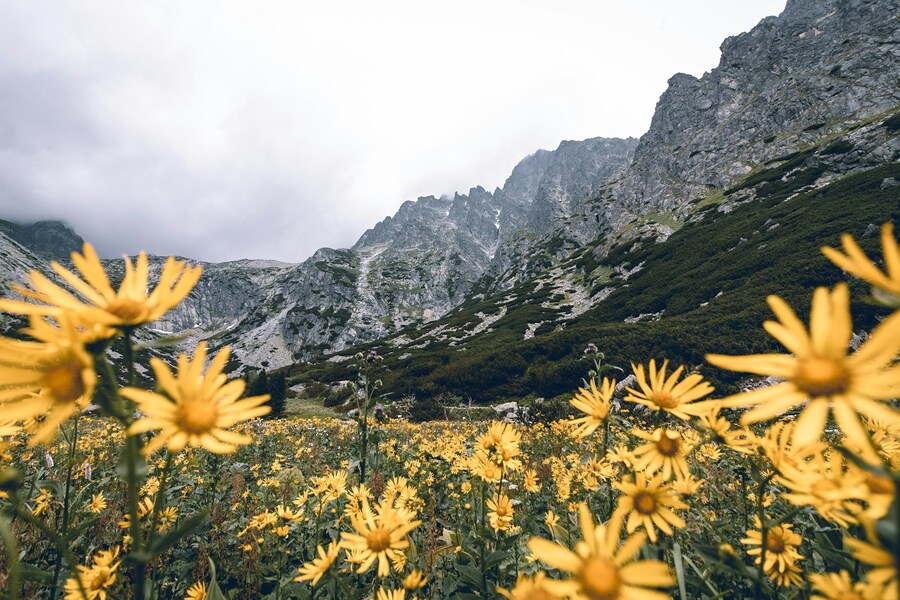
As travelers look for the next frontier in quiet luxury, the High Tatras, which form a natural border between Slovakia and Poland, are garnering international attention. This range, the highest in the Carpathian Mountains, offers a more rugged and visceral beauty than the more developed Alpine regions. The luxury market here is still in its nascent stages, which is exactly what appeals to the "quiet luxury" pioneer. It's a place of grand manor houses and intimate lakeside lodges that offer a sense of exclusivity through their sheer remoteness.
The fall season in the Tatras is particularly evocative, with the mountain pines and rocky peaks creating a stark, dramatic landscape. The region is home to brown bears, chamois, and eagles, and luxury operators are increasingly offering private, conservation-focused wildlife viewing experiences. After a day in the wild, travelers can return to SPAs that draw on the region's rich geothermal history, soaking in mineral-rich waters while looking out over the jagged horizon.
The High Tatras represent a return to the "grand tour" style of travel, where the journey is as important as the destination. The infrastructure is modernizing rapidly, with new boutique properties opening that emphasize local craftsmanship and Slavic heritage. For the traveler who has already experienced the Dolomites and the Alps, the High Tatras offer a fresh narrative and a genuine sense of solitude, solidifying their place as a hidden gem of the high-altitude world.
Final thoughts
As the global travel industry continues to adapt to the desires of a more discerning clientele, the logistics of reaching these remote mountain gems have become an integral part of the luxury experience. Modern travelers are increasingly focusing on the "pre-trip" phase, ensuring that every transition – from the driveway to the terminal – is handled with the same level of care as the vacation itself. This has led to a rise in the use of specialized services that mitigate the traditional stresses of air travel. For instance, those departing from the East Coast of the United States to reach European or Asian peaks are paying closer attention to regional hubs. Efficient planning often includes securing reliable RDU parking deals for travelers using Raleigh-Durham International as their gateway. Utilizing a dedicated RDU Airport parking service ensures that the transition into the "quiet luxury" mindset begins the moment one leaves home, allowing for a seamless journey toward the world's most beautiful autumnal landscapes.
The bottom line for those seeking a quiet luxury fall vacation is that the destination is only one piece of the puzzle. The true essence of this travel style lies in the intentionality of the experience – the choice to move slowly, to appreciate architectural and natural beauty, and to seek out environments that prioritize peace over spectacle. As the mountains prepare for their annual transformation, the opportunity for a deeply restorative and culturally rich escape has never been greater. By choosing one of these hidden gems, the traveler isn't just booking a holiday; they are investing in a moment of profound clarity and elevated living amidst the peaks. Whether it's the golden larches of Italy or the mist-covered cedars of Japan, the mountains offer a timeless sanctuary for those who know where to look.


