

The traditional summer vacation is undergoing a radical thermal shift. For decades, the collective travel instinct was to chase the sun, seeking out the sweltering beaches of the Mediterranean or the humid tropical corridors of Southeast Asia. However, as global temperatures continue to climb, a new movement has taken hold of the modern traveler: the "Cool-Cation." This trend prioritizes temperate climates, crisp alpine air, and the refreshing briskness of high-latitude landscapes. Instead of wilting in 40°C heat, travelers are now heading to the ends of the earth – specifically the rugged wilderness of Tasmania and the dramatic, deep-cut fjords of Norway – to find solace in the shade and adventure in the breeze.
Embarking on a Cool-Cation requires a different mental and logistical framework than a standard beach holiday. It's an exercise in tactical packing, precision air travel, and a deep appreciation for the natural world's more "refrigerated" wonders. Navigating the long-haul flights to Hobart or the multi-leg journeys into the Norwegian Arctic circle demands a mastery of modern aviation hacks. This travel guide serves as your comprehensive manual for conquering these temperate giants, ensuring that your transition from the airplane cabin to the mountain trail is as smooth as a glacial lake.
So, how can travelers master air travel logistics for the ultimate summer cool-cation?
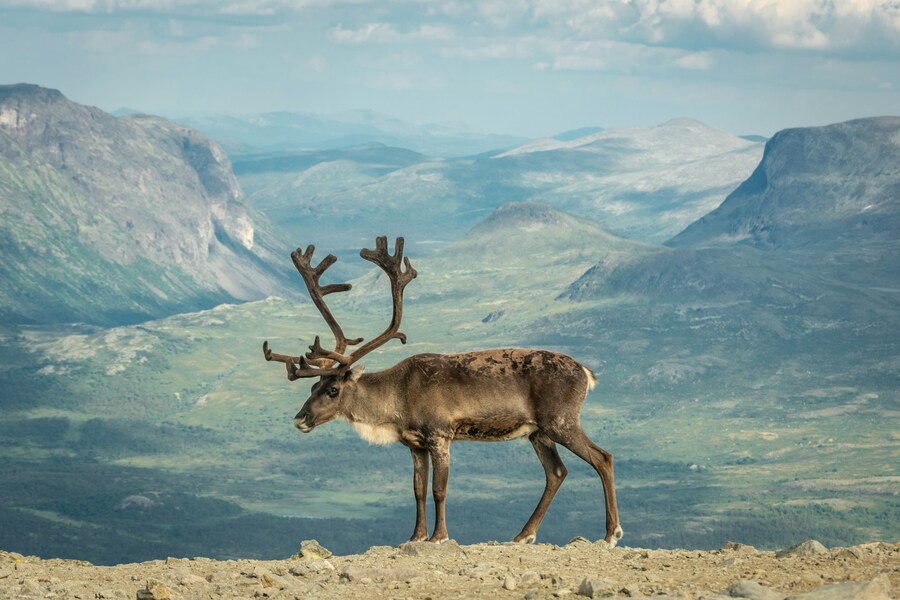 Source: Sébastien Goldberg/Unsplash
High-latitude success starts with the "Hinterland Strategy." Mastering the long-haul flights to hubs like Oslo or Hobart ensures you arrive physically prepared to conquer the remote, rugged wilderness.
The art of the long-haul pivot
Flying to Tasmania often involves a transit through major Australian hubs like Sydney or Melbourne, while reaching the northern reaches of Norway usually requires a stop in Oslo or Tromsø. The seasoned traveler knows that these layovers are the perfect opportunity for "resetting" the internal clock. Rather than rushing through the terminal, look for airports that offer integrated wellness facilities. Many modern hubs have introduced "oxygen lounges" and circadian lighting zones designed to mitigate the effects of extreme time zone shifts.
When booking these flights, the "mid-week transition" remains the gold standard for air travel hacks. Data from recent years shows that departing on a Tuesday or Wednesday not only lowers the fare but significantly reduces the density of passengers in the cabin. This extra space is vital when you are carrying technical gear that requires careful stowing. Moreover, for those heading to Tasmania, opting for a "multi-city" ticket that allows a 24-hour stopover in a hub can provide the necessary buffer to adjust to the Southern Hemisphere's unique rhythm without the crushing weight of immediate jet lag.
Strategic packing for dual climates
The primary challenge of a Cool-Cation is the "Thermal Gap." You might be departing from a sweltering city only to land in a place where the evening temperature hovers around 10°C. The secret to managing this without checking three massive suitcases lies in the "Modular Carry-On" approach. This involves selecting technical fabrics that offer high warmth-to-weight ratios, such as ultra-fine merino wool and synthetic loft insulation.
In your carry-on, you should prioritize your "first-day essentials." This includes your heaviest hiking boots – which you should wear on the plane to save weight and space – and a high-quality hardshell jacket. By wearing your bulkier items during transit, you free up internal bag volume for specialized equipment like portable espresso makers for the Norwegian trail or high-end camera lenses for Tasmania's unique wildlife. Remember that in the world of high-latitude travel, cotton is your enemy. It holds moisture and provides no insulation; instead, lean heavily into recycled synthetics that dry quickly in the humid environment of a plane and the misty environment of a fjord.
Tech-savvy navigation and connectivity
Modern travel in remote regions like the Lofoten Islands or the Tasmanian Highlands requires a robust digital infrastructure. Before you leave the tarmac, ensure your device is loaded with offline maps and localized weather apps. High-latitude weather is notoriously fickle; a sunny morning in Hobart can turn into a sleet-filled afternoon in the Cradle Mountain-Lake St. Clair National Park. Apps that provide real-time radar updates are indispensable.
On the flight, use the provided USB-C ports to keep your power banks at full capacity. The "Gen-P" traveler (the pilgrimage-seeker or purposeful traveler) knows that a dead battery in the wilderness is more than an inconvenience – it's a safety risk. In addition, consider investing in a global eSIM. This allows you to bypass the long lines at airport kiosks upon arrival, giving you an immediate data connection the moment the plane touches down. This is particularly useful in Norway, where digital payments are the absolute norm and physical cash is increasingly rare even in rural mountain huts.
Tasmania: the southern sanctuary
Tasmania, or "Tassie" to the locals, is a jewel of the Southern Ocean. During the Northern Hemisphere's summer, Tasmania experiences its winter, but for many "Cool-Cationers," the real draw is the Tasmanian summer (December to February), where temperatures are a perfect 20°C to 24°C. The air here is officially some of the cleanest in the world, having traveled thousands of miles across the ocean without hitting land.
When flying into Hobart (HBA) or Launceston (LST), the approach is spectacular. To maximize the experience, try to snag a window seat on the left side of the aircraft when flying south from Melbourne. You'll be treated to views of the Bass Strait and the rugged coastline. Once on the ground, the "Tassie Hack" is to rent a campervan directly from the airport. This combines your transport and accommodation, allowing you to chase the clear skies across the island. The island's compact size is deceptive; the winding roads mean that a 100-kilometer journey can take much longer than expected, so building "buffer days" into your itinerary is a pro move.
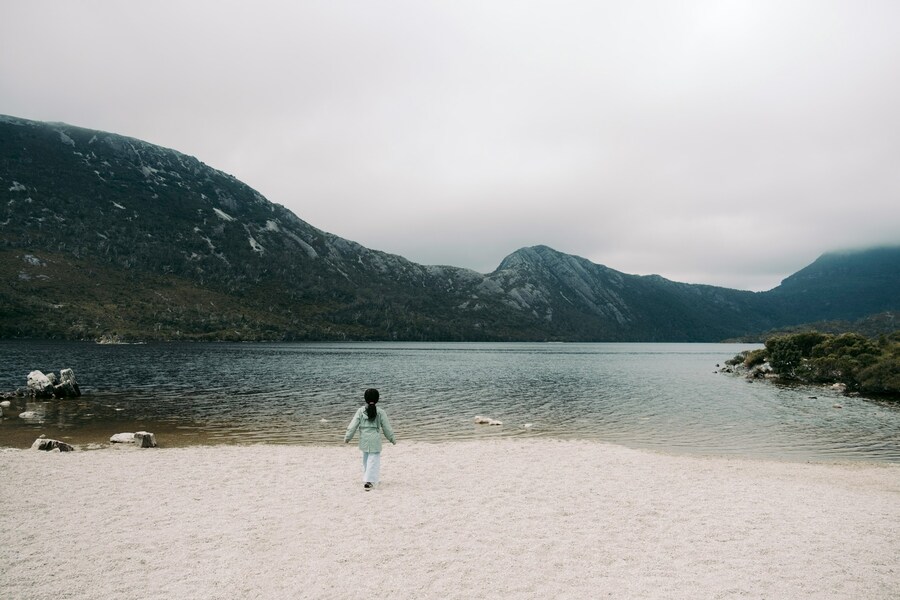
Source: Colin + Meg/Unsplash
Norway: the vertical frontier
Norway offers a different kind of cooling. It's a land of verticality, where mountains drop straight into the sea. The "Cool-Cation" here is defined by the midnight sun, where the daylight stretches for 24 hours in the north, giving you endless time to explore. The air travel hack for Norway is the "Short-Hop Strategy." Instead of taking a long train or bus ride from Oslo to the fjords, look for regional flights operated by local carriers. These "puddle jumpers" offer some of the most scenic flight paths on the planet, flying low over the jagged peaks of the Sunnmøre Alps.
In Norway, the concept of "Friluftsliv" (open-air living) is ingrained in the culture. This means that airports are incredibly well-equipped for hikers. You'll find dedicated areas for repacking gear and even lockers for storing city clothes while you head into the mountains. When flying back from Tromsø or Bergen, ensure your liquids are organized; Norwegian security is famously efficient but strict. To save money in one of the world's most expensive countries, use the airport's filtered water stations to fill your reusable bottles – the tap water in Norway is often better than bottled water sold elsewhere.
The psychology of cold-weather transit
There's a specific mental fatigue that comes with transitioning between extreme environments. Air travel, with its recycled air and cramped spaces, can exacerbate this. To arrive at your Cool-Cation destination ready to hike, focus on "Hydration Loading." Start increasing your water intake 24 hours before your flight. The dry cabin air can dehydrate you faster than a desert trek, and dehydration is a leading contributor to jet lag and muscle cramping.
On the plane, practice "Active Sitting." High-latitude destinations often require long-haul flights where deep vein thrombosis (DVT) is a risk. Simple ankle rotations and calf raises every hour can keep your blood flowing. If your budget allows, "bumping up" to a premium economy seat for the extra legroom is often worth the investment for the physical preservation it provides. After all, you didn't fly halfway around the world to spend your first three days in Tasmania with swollen ankles and a stiff back.
Managing the logistics of departure and arrival
As you plan the final legs of your journey, the small details of logistics often become the most important. A seamless transition from your home to the airport sets the tone for the entire trip. For many travelers, the journey begins with the drive to the terminal. Ensuring that your vehicle is secure and that you haven't overpaid for the privilege is a vital part of the "hacker" ethos.
When flying out of major hubs, it's wise to research localized services that offer competitive rates. For instance, if you find yourself departing from the southern United States, securing TPA Airport parking in advance can save both time and money. Utilizing TPA parking deals allows you to allocate more of your budget toward high-quality gear or that extra-special dinner in a Norwegian harbor. By automating these "boring" parts of travel, you free up mental bandwidth to focus on the glaciers and forests that await you.
Sustainable practices for the modern pilgrim
The Cool-Cation trend is intrinsically linked to environmental consciousness. Travelers seeking cooler climates are often those most aware of the fragility of these ecosystems. In 2026, sustainable aviation is no longer a niche concept; it's a requirement. Many airlines now offer carbon offset programs directly at the checkout. While not a perfect solution, it's a step toward responsible exploration.
On the ground in Norway and Tasmania, the "Leave No Trace" principle is paramount. These environments are pristine but delicate. Use the high-tech, lightweight waste management tools you packed in your carry-on. Support local eco-tourism operators who prioritize conservation over mass-market turnover. The goal of the Cool-Cation is to find refreshment in nature, and that requires us to be the guardians of the very chill we seek. By traveling thoughtfully and packing light, we reduce our footprint and ensure these destinations remain "cool" for generations to come.
The bottom line

Source: Tyler Domingue/Unsplash
The shift toward Cool-Cations represents a maturing of the travel industry. We are moving away from the "sun, sea, and sand" cliché and toward a more adventurous, temperate, and physically engaging form of exploration. Tasmania and Norway stand as the twin pillars of this movement, offering landscapes that challenge the spirit and soothe the senses. By mastering the nuances of air travel – from the strategic wearing of boots to the savvy booking of airport services – you turn a complex international journey into a streamlined adventure.
The "hack" isn't just about saving money or skipping a line; it's about optimizing your human experience. It's about arriving in Hobart or Oslo with the energy to climb the first peak and the equipment to stay warm when the sun dips below the horizon. As we continue to redefine what a "summer" vacation looks like, the ability to navigate the skies with precision becomes our most valuable skill. Pack your layers, charge your devices, and head toward the poles. The world is waiting, and it's perfectly chilled!


