

The world is an expansive canvas, painted with the vibrant hues of diverse ecosystems, but few spectacles rival the transient, breathtaking beauty of a landscape in full bloom. For the modern traveler, seeking out the planet's most stunning floral displays is more than just a sightseeing endeavor; it's a pilgrimage to witness the peak of natural artistry. These destinations offer a sensory overload, where the air is heavy with perfume and the ground is carpeted in colors so vivid they seem almost surreal. From the meticulously manicured bulb fields of Europe to the wild, rugged meadows of the Himalayas, flower-centric travel allows us to reconnect with the rhythms of the earth. In an era where digital screens often dominate our visual landscape, the organic complexity of a petal or the vastness of a mountain slope covered in wildflowers provides a necessary, grounding contrast.
So, where can you witness nature's most vibrant floral masterpieces?
The pursuit of botanical brilliance takes us across continents, each offering a unique interpretation of what a garden can be. Whether it's a cultural tradition spanning centuries or a natural phenomenon protected by international heritage status, these locations represent the pinnacle of floral diversity. To truly appreciate these sites, one must understand the delicate balance of climate, soil, and timing that allows such beauty to flourish.
1. Keukenhof, Amsterdam, Netherlands
Source: Anh Tran/Unsplash
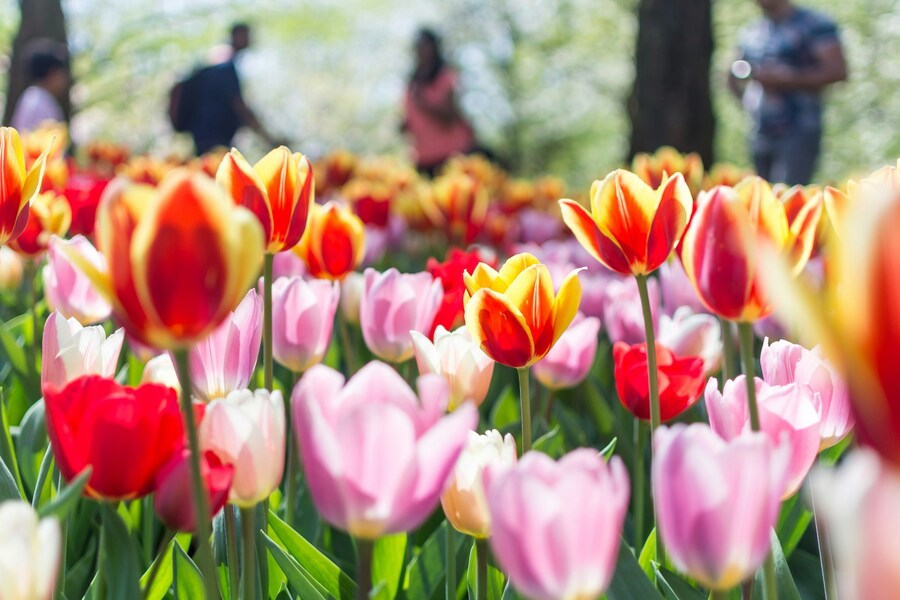
Often referred to as the "Garden of Europe," Keukenhof is perhaps the most famous flower destination on the planet. Situated in Lisse, a short journey from Amsterdam, this park is a testament to Dutch horticultural expertise. Every year, approximately 7 million flower bulbs are planted by hand, creating a kaleidoscopic display that spans 32 hectares. While tulips are the undisputed stars of the show, the garden also features an incredible array of hyacinths, daffodils, lilies, and orchids. The design of the park changes annually, revolving around a specific theme that dictates the patterns and color palettes of the plantings.
Walking through Keukenhof is like stepping into a living painting. The winding paths lead visitors past tranquil ponds where swans glide through the reflections of cherry blossoms and through indoor pavilions where rare varieties of flowers are showcased with artistic flair. The history of the area dates back to the 15th century, when the grounds were part of the estate of Jacqueline, Countess of Hainaut, providing herbs and vegetables for the castle's kitchen – hence the name "Keukenhof," or Kitchen Garden. Today, it serves as a global stage for the Dutch floriculture industry. The best time to visit is typically from late March to mid-May, when the blooms are at their peak. Beyond the gardens themselves, the surrounding Bollenstreek (bulb region) offers endless vistas of striped fields stretching toward the horizon, which are best explored by bicycle to fully absorb the scale of the tulip production.
2. Yamanakako Hananomiyako Kouen, Yamanashi, Japan
Source: PJH/Unsplash
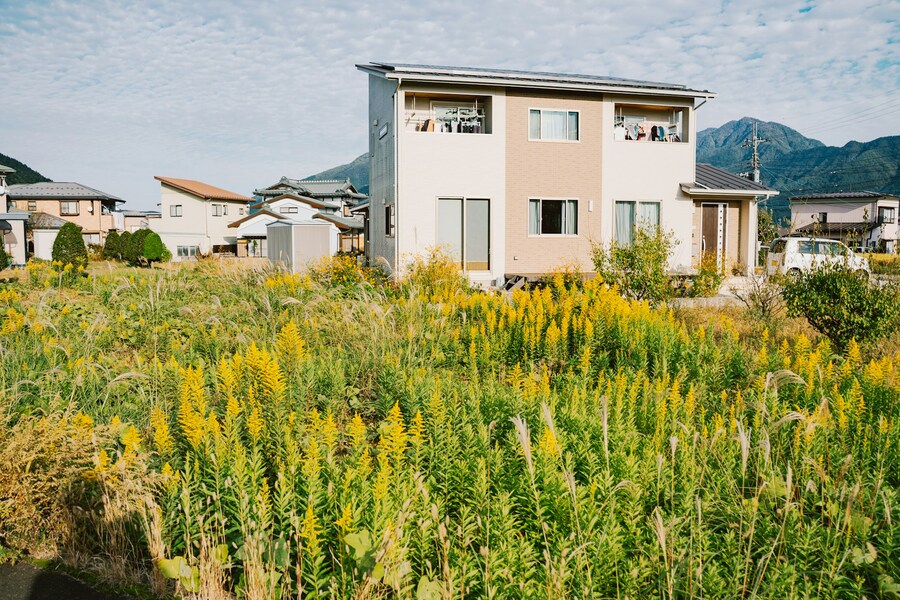
In the shadow of the iconic Mount Fuji lies a destination that captures the ethereal beauty of Japanese nature. Yamanakako Hananomiyako Kouen, located near Lake Yamanaka, offers a floral spectacle that's harmonized by the presence of Japan's most sacred peak. This park, spanning 300,000 square meters, provides a rotating gallery of blooms that shift with the seasons. In the spring, hundreds of thousands of tulips create a vibrant foreground for the snow-capped volcano, while the summer months see the fields turn into a golden sea of sunflowers and zinnias.
What makes this location particularly special is the "Diamond Fuji" phenomenon, where the sun aligns perfectly with the peak of the mountain, creating a sparkling effect that, when viewed from the flower fields, is nothing short of spiritual. The park is divided into free areas and paid sections, such as the Floral Dome Tropical Orchid Greenhouse and the Seiryu-no-Sato water park, which features impressive waterfalls and traditional Japanese landscaping. The integration of water elements with the floral displays reflects the Japanese philosophy of Satoyama, the harmonious coexistence of nature and human cultivation. As autumn approaches, the cosmos flowers take center stage, dancing in the cool breeze and offering a softer, more delicate aesthetic compared to the bold blooms of summer.
3. Crested Butte, Colorado, United States
Source: Holly Mandarich/Unsplash
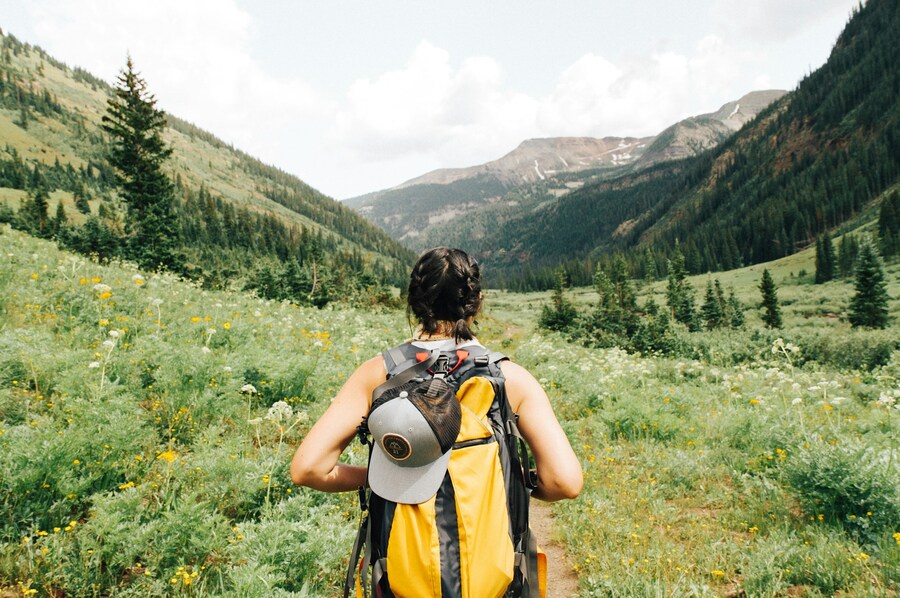
While some travelers prefer the structure of a botanical garden, others seek the raw, unbridled beauty of the wilderness. Crested Butte, Colorado, has rightfully earned the title of the "Wildflower Capital of Colorado." Nestled in the heart of the Rocky Mountains, this high-altitude haven transforms into a multi-colored tapestry during the summer months. Unlike the planted rows of Europe or Japan, the flowers here are entirely native, emerging from the alpine soil in a display of resilience and natural variety.
The diversity of flora in Crested Butte is staggering. Hikers can find themselves surrounded by towering blue columbines (the state flower of Colorado), vibrant Indian paintbrushes, delicate lupines, and golden sunflowers. The variety is driven by the region's unique geography, where varying elevations and moisture levels create distinct micro-ecosystems. The local community celebrates this abundance with an annual Wildflower Festival, offering guided hikes, photography workshops, and botanical art classes. One of the most popular routes is the trail from Crested Butte to Aspen via West Maroon Pass, which takes adventurers through some of the most densely populated flower meadows in the country. The peak blooming season usually occurs in July, when the sun is warm and the mountain peaks provide a dramatic, jagged backdrop to the soft fragility of the petals below.
4. Kirstenbosch National Botanical Garden, Cape Town, South Africa
Source: Tayla Kohler/Unsplash
On the eastern slopes of Cape Town's Table Mountain lies Kirstenbosch, a garden that's globally recognized for its commitment to indigenous flora. Established in 1913, it was the first botanical garden in the world dedicated to a country's native plants. Kirstenbosch is part of the Cape Floristic Region, a UNESCO World Heritage site that, despite being the smallest of the world's six floral kingdoms, is one of the most diverse. The garden is home to over 7,000 species, many of which are rare or endangered.
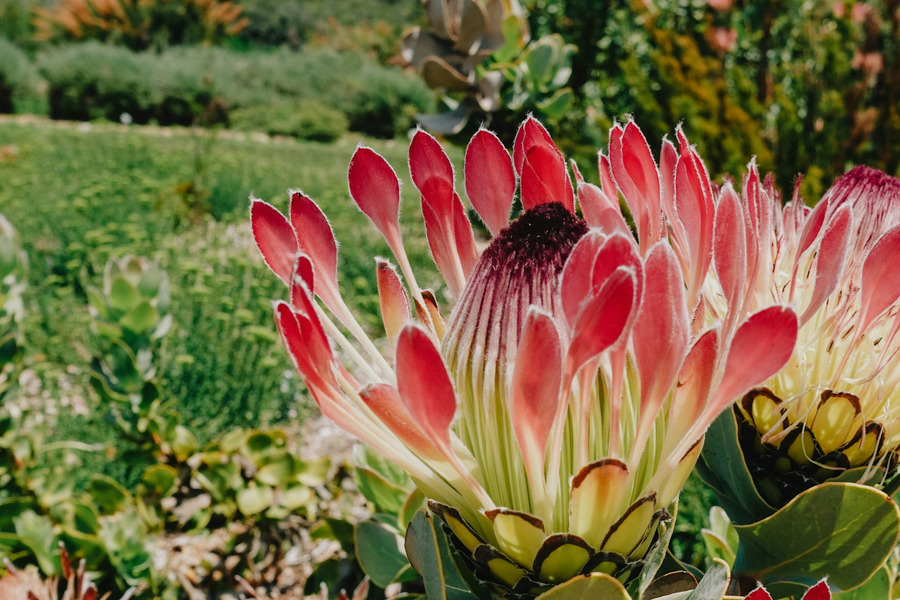
The centerpiece of Kirstenbosch is the Protea garden, where South Africa's national flower can be seen in all its prehistoric glory. These hardy, structural blooms come in a variety of shapes and sizes, reflecting an evolutionary history that dates back millions of years. Another highlight is the Centenary Tree Canopy Walkway, affectionately known as the "Boomslang" (tree snake). This curved steel and timber bridge winds through and over the trees, offering panoramic views of the garden, the surrounding mountains, and the Cape Flats. The experience of visiting Kirstenbosch is deeply atmospheric; the mist often clings to the crags of Table Mountain, creating a moist, cool environment that allows the fynbos vegetation to thrive. It's a place where nature feels ancient and powerful, reminding visitors of the deep biological heritage of the African continent.
5. Valley of Flowers National Park, Chamoli, India
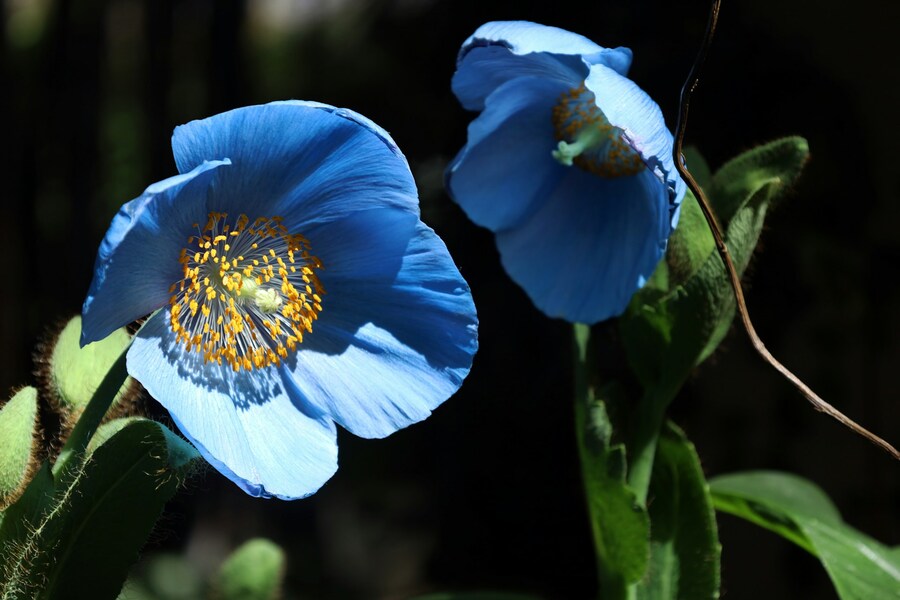
Source: Jules Smith/Unsplash
High in the West Himalayas of India, the Valley of Flowers National Park offers a trekking experience that feels like a journey into a fairy tale. Legend has it that this valley was the place where the Hindu deity Hanuman found the Sanjeevani herb to save Lakshmana. For centuries, the valley remained hidden from the modern world until it was stumbled upon by British mountaineers in the 1930s. Today, it's a UNESCO World Heritage site, protected for its unique alpine flora and the endangered animals that call it home, such as the snow leopard and the Asiatic black bear.
Reaching the valley requires a significant physical effort, involving a multi-day trek that begins in the town of Govindghat. The path winds through lush forests and alongside the rushing waters of the Pushpawati River. Upon entering the valley, travelers are greeted by an expanse of blossoms that covers the ground like a thick, embroidered blanket. Over 500 species of wildflowers have been identified here, including the rare Himalayan blue poppy, brahma kamal, and various types of orchids and anemones. The blooming season is strictly limited to the monsoon months of July, August, and September. During this time, the valley is a riot of shifting colors, as different species take their turn to dominate the landscape. The combination of the thin mountain air, the spiritual significance of the nearby Hemkund Sahib pilgrimage site, and the sheer density of the floral display makes this one of the most profound nature experiences on earth.
When preparing for an international expedition to see these world-class floral displays, the logistics of the journey are just as important as the destination itself. For those living in the southeastern United States, the journey often begins at a regional hub. Navigating the start of your trip can be made significantly easier by looking into BHM Airport parking options before you head to the terminal. Finding the right BHM parking deals allows travelers to leave their vehicles in a secure environment without overspending, ensuring that more of the travel budget is available for guided botanical tours or local experiences in places like Amsterdam or Cape Town. A little preparation at the home airport can set a positive tone for the entire adventure, allowing you to focus on the natural wonders that await.
The final word
Traveling to see the world's most beautiful flower destinations is an exercise in mindfulness and timing. Unlike architectural landmarks that stand unchanged for centuries, a floral landscape is a fleeting moment in time. It requires us to be present, to appreciate the specific week when the tulips are at their peak or the few days when the Himalayan poppies open their petals. This transience is part of the allure; it reminds us of the cyclical nature of life and the importance of preserving the environments that make such beauty possible. Each of these five locations – whether it be the structured rows of Keukenhof or the wild slopes of the Rockies – offers a different perspective on the relationship between the earth and the sun.
As we look toward the future of travel, these botanical havens serve as vital reminders of the need for conservation. Many of these ecosystems are delicate and sensitive to the shifting patterns of the global climate. By visiting them responsibly, supporting local conservation efforts, and fostering a deep respect for biodiversity, we ensure that future generations can also experience the wonder of a world in bloom. These destinations aren't just places to take photographs; they are sanctuaries of life, color, and fragrance that provide a profound sense of peace and inspiration to all who wander through them. Whether you are a professional botanist or simply someone who finds joy in the sight of a single flower, the journey to these floral masterpieces is one that will leave an indelible mark on your soul.


