

As
So, how can travelers effectively use open-jaw itineraries to master the Route 66 centennial?
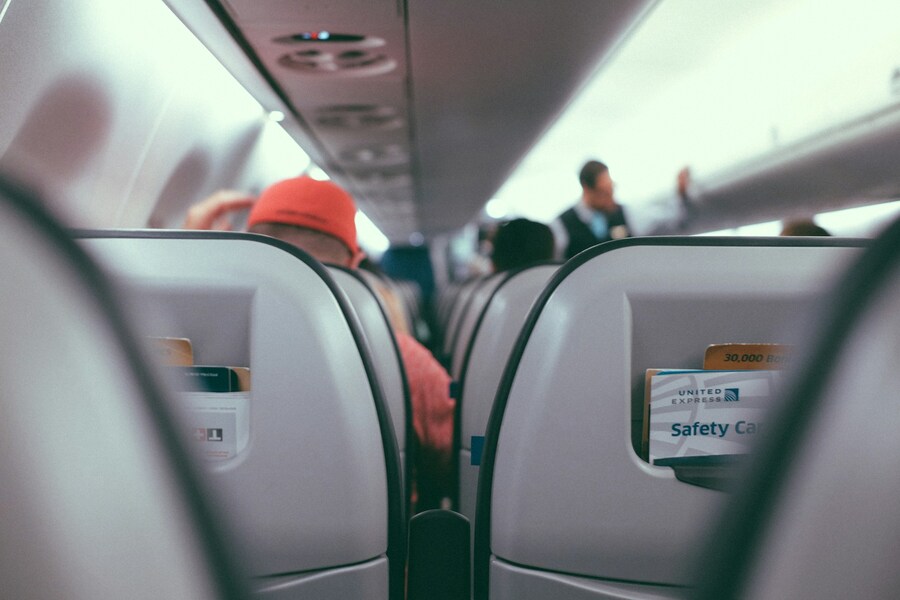 Source: Gus Ruballo/Unsplash
Open-jaw flights involve flying into one city and departing from another. For Route 66, use multi-city search tools instead of separate one-way tickets to secure prices comparable to round-trip fares.
Leveraging airline alliances and hub logistics
Success in open-jaw hacking depends heavily on understanding the hub-and-spoke systems of major carriers. Chicago and Los Angeles are massive international hubs, which works in the traveler's favor. For instance, a traveler might find that United Airlines offers a competitive multi-city rate because both O'Hare and LAX are major operation centers for them. By staying within a single airline's ecosystem, the ticket is treated as a unified journey, which often protects the traveler in case of delays and keeps the fare class consistent.
Moreover, leveraging airline alliances – such as Star Alliance, SkyTeam, or Oneworld – allows for even greater flexibility. You might arrive in Chicago on one carrier and depart from Los Angeles on a partner airline. When these are booked under a single multi-city confirmation code, the pricing logic usually respects the "round-trip" discount structure. The trick is to avoid "broken" itineraries where the distance between your arrival and departure airports exceeds the distance of the flights themselves, as this can sometimes trigger a "double one-way" pricing trap. On Route 66, the land distance is roughly equal to the flight distance, making it the perfect candidate for a classic open-jaw structure.
The art of the reverse itinerary and seasonal shifts
While the traditional Route 66 experience moves from East to West, the "reverse" hack is one of the most effective ways to save money on both flights and car rentals. Because the majority of tourists follow the "Go West" mantra, airlines and rental agencies often face an imbalance of inventory. By starting in Los Angeles and finishing in Chicago, travelers can frequently find lower airfares as carriers look to fill seats on less popular "return" legs.
This directional shift also has a massive impact on the secondary cost of the fly-drive: the one-way car rental drop-off fee. These fees can sometimes exceed 500 dollars. However, during specific times of the year, rental companies need to relocate their fleets from the West Coast back toward the Midwest or East Coast. By monitoring "drive-out" specials and aligning flight arrivals with these fleet migrations, the cost of the entire expedition can drop significantly. It's a matter of looking at the data – watching where the planes are flying half-empty and where the cars are piling up – and positioning yourself as the solution to the company's logistical problem.
Navigating one-way car rental realities
No fly-drive strategy is complete without addressing the vehicle. The primary challenge with a Route 66 centennial trip is that you are essentially taking a car away from its home base for three weeks. To minimize costs, look for rental agencies that have a high volume of traffic at both O'Hare and LAX. National chains are more likely to waive or reduce drop-off fees because they have the infrastructure to absorb the vehicle back into their local fleet immediately.
Another professional tip involves the "city-to-airport" hack. Sometimes, picking up a car at a downtown Chicago location rather than at O'Hare can save a significant amount in airport surcharges and taxes, even if the one-way drop-off at LAX remains the same. Conversely, some "airport-only" deals are so aggressive that they offset the local taxes. Comparing these two scenarios is a vital step in the pre-flight planning phase.
Maximizing loyalty programs for multi-city routes
Loyalty points and frequent flyer miles are the "fuel" of the professional travel hacker. For a Route 66 journey, the best use of miles is often for one of the long-haul legs, while paying cash for the other. This "hybrid" booking can be a way to experience a premium cabin on the flight home after weeks of staying in roadside motels.
Points can also be used to mitigate the cost of positioning flights. If you live in a smaller regional market, use your miles to get to Chicago, then pay for a one-way cash fare from LAX back home. Many modern credit card portals allow you to book multi-city itineraries directly using points at a fixed value, which bypasses the availability issues often found with traditional "award seats." This ensures that you can travel on the exact dates of the centennial celebrations without being held hostage by limited "saver" inventory.
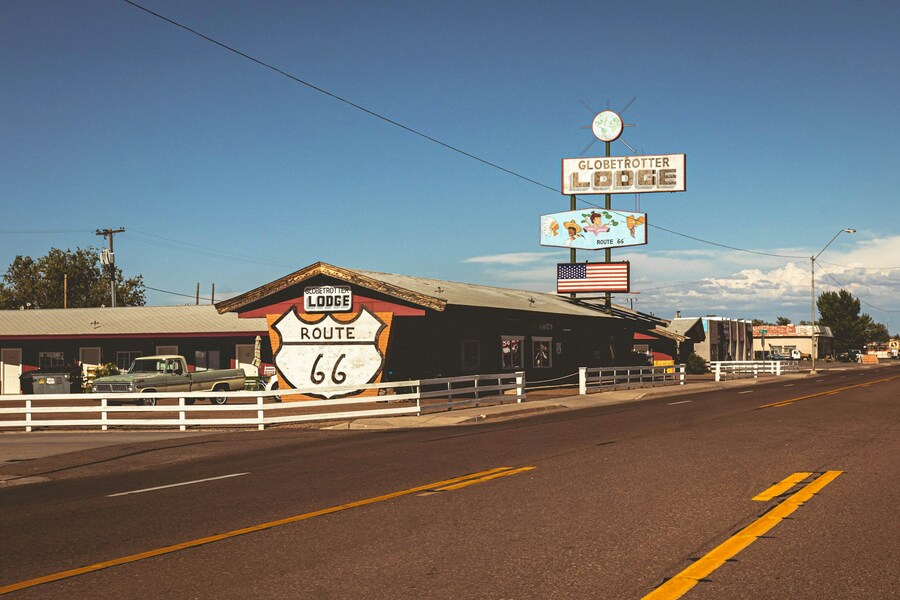
Source: Tristan Ruark/Unsplash
Strategic layovers and "hidden city" risks
While "hidden city" ticketing – booking a flight with a layover in your actual destination and simply walking out – is a well-known hack, it's highly discouraged for a complex trip like the Route 66 centennial. If you miss a leg or the airline detects the skip, the remainder of your multi-city itinerary will be canceled instantly. Instead, focus on "stopover" rules. Some airlines allow a multi-day stopover in a hub city for little to no extra cost. While this is more common on international routes, some domestic carriers are beginning to experiment with "stay-and-play" vouchers that can be used to explore a hub city before starting the drive.
Managing logistics and airport transfers
When you land at O'Hare to begin your journey, the temptation is to grab the car and go. However, a better hack is to spend the first two days in downtown Chicago using public transit. This saves 48 hours of rental fees and high city parking rates. Once you are ready to actually hit the road, return to the airport or a suburban rental location to pick up the vehicle. This "delayed start" approach can trim hundreds of dollars from the total trip cost.
The same logic applies to the end of the trip in Santa Monica or Los Angeles. Dropping the car off 24 hours early and using a ride-share for your final night can simplify the departure morning and eliminate the stress of finding a gas station near LAX that doesn't charge a premium price.
Essential tech tools for itinerary optimization
To execute these hacks, you need the right digital toolkit. Use "matrix" search tools that allow you to view prices in a calendar format across multiple airports. Often, flying into Midway (MDW) instead of O'Hare (ORD) can trigger a lower fare, even if the rental car options are slightly different. Similarly, check alternative Southern California airports like Burbank (BUR) or Long Beach (LGB). While LAX is the traditional end-point, these smaller airports are often easier to navigate and can sometimes offer better one-way rental deals because they are trying to attract more business away from the larger hubs.
Preparing for the unexpected on the Mother Road
Even the best-laid flight hacks can be disrupted by weather or mechanical issues. In 2026, air travel remains a complex dance of schedules and logistics. Always ensure your multi-city ticket is "linked." This means that if your flight to Chicago is delayed, the airline is obligated to help you, whereas if you booked two separate one-ways, the second airline has no responsibility for your missed connection.
Carrying a digital and physical copy of your itinerary, along with a list of "co-terminal" airports, allows you to pivot quickly. If a storm hits Chicago, knowing you can fly into Milwaukee and take a short train ride to the start of Route 66 can save your entire vacation.
Sustainable and smart packing for a cross-country arc
Packing for a fly-drive requires a "dual-climate" mindset. You might start in the humid Midwest, traverse the arid deserts of Arizona, and end in the temperate coastal air of California. The hack here is to use soft-sided luggage. Hard-shell suitcases are difficult to Tetris into a rental car trunk, especially if you end up with a smaller vehicle than expected. Soft bags allow for flexibility, and if you plan on buying souvenirs along the way – which is inevitable on Route 66 – having a collapsible "duffel-in-a-bag" is a lifesaver for the flight home.
Integrating regional connectivity and comfort
As you plan your descent toward the final stages of the journey, consider the mid-continent logistical points that can serve as "reset" buttons. Not every traveler completes the entire route in one go; many choose to tackle it in segments. If you find yourself needing to fly into the heart of the country to pick up where you left off, focusing on regional hubs is key. For those focusing on the central plains section, look for MCI parking deals to save money if you are leaving a vehicle behind to fly home for a mid-trip break. Utilizing MCI Airport parking options allows you to keep your ground transportation secure while you handle business elsewhere, ensuring that when you return to the Kansas City area, your transition back onto the road is seamless and cost-effective.
The bottom line

Source: Bao Menglong/Unsplash
The Route 66 Centennial is more than just a drive; it's a celebration of a century of American movement. By moving beyond the limitations of standard round-trip booking and embracing the nuances of open-jaw flight hacking, you can create an itinerary that's as fluid and adventurous as the road itself. The key lies in the preparation: analyzing hub dynamics, timing your rental car pickup to avoid unnecessary fees, and using airline alliances to your advantage. Whether you are navigating the urban canyons of Chicago or watching the sun sink into the Pacific at the Santa Monica Pier, your journey should be defined by the sights you see and the people you meet, not by the stress of your flight logistics. With these hacks in your repertoire, the Mother Road is truly yours to command, offering a perfect blend of historic nostalgia and modern travel efficiency.


