

The upcoming summer season is poised to be one of the most significant periods in the history of American domestic travel. As the nation prepares to celebrate its 250th anniversary, the influx of travelers heading toward historic hubs like Philadelphia, Washington, D.C., and Boston is expected to reach unprecedented levels. This milestone, known as the Semiquincentennial, isn't just a single day of fireworks but a massive, year-long series of events culminating in a spectacular July 4th weekend. For the savvy traveler, this presents a unique challenge: how do you navigate the most crowded skies in a generation without breaking the bank? The intersection of peak seasonal demand and a once-in-a-lifetime national celebration means that traditional booking methods may no longer suffice.
To truly master the art of air travel during this high-stakes window, one must look beyond the standard advice of booking early. The landscape of aviation has shifted, with new algorithms, AI-driven pricing models, and evolving airline loyalty structures changing the rules of the game. Achieving a balance between cost-efficiency and travel comfort requires a strategic approach that treats flight booking as a tactical operation. From leveraging "Married Segment" logic to understanding the psychological shifts in how airlines price their seats during major national holidays, the opportunities for savings are there for those who know where to look. This travel guide is designed to deconstruct those complexities, providing a roadmap for securing the best possible fares for the biggest birthday party in the country's history.
So, how can travelers outsmart modern booking algorithms during peak holiday windows?
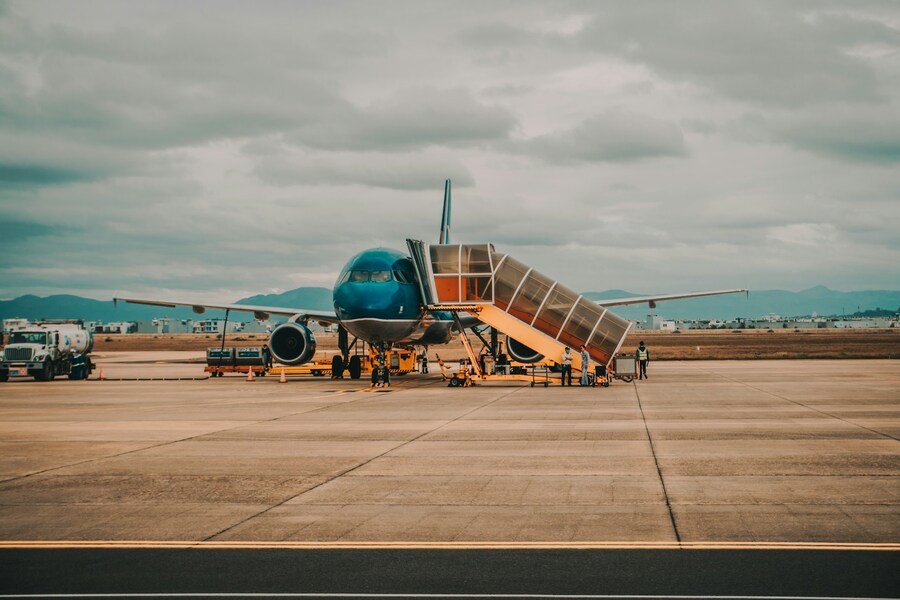
 Source: Link Hoang/Unsplash
The primary obstacle to finding affordable airfare for the July 4th weekend is the predictive nature of modern airline revenue management systems. These systems are designed to identify patterns in search volume and historical demand, automatically raising prices as soon as interest spikes. However, these same algorithms often have "blind spots" that can be exploited by informed passengers. One of the most effective ways to bypass these automated price hikes is to understand the concept of the "Saturday night stay" and how it has been reimagined in a post-pandemic world. While many travelers aim for a quick three-day weekend, airlines often offer significantly lower fares for those who are willing to extend their stay or shift their departure by just 48 hours.
Another critical factor involves the rise of multi-modal travel planning. In many parts of the United States, flying directly into a major hub like Philadelphia or New York during the America250 celebrations will likely come with a premium price tag. The secret lies in identifying secondary airports that are within a reasonable driving or rail distance of your final destination. By utilizing advanced search filters that allow for a "radius search," you can often find fares that are hundreds of dollars cheaper simply because the airport is a 90-minute drive from the main festivities. This strategy is particularly effective when combined with the latest generation of ground transportation apps that provide real-time updates on regional rail and bus connections.
The evolution of the 21-day rule and dynamic pricing
For decades, the "21-day rule" was the gold standard for booking domestic flights. The logic was simple: airlines assumed that anyone booking closer than three weeks to departure was a business traveler with a flexible expense account, and they priced tickets accordingly. In the current era, this window has become much more fluid. We are seeing a shift where the "sweet spot" for holiday travel often occurs much earlier, sometimes up to four or five months in advance, specifically for high-demand dates like the Fourth of July. Conversely, there's a secondary window that occasionally opens up about 14 days before departure when airlines realize they have over-projected demand for certain less-popular time slots. This volatility is compounded by machine-learning models that adjust fares every few minutes based on real-time browsing data and current inventory.
To capitalize on this, travelers should utilize price tracking tools that don't just alert you to a drop in price, but also provide a "confidence score" on whether the price is likely to rise or fall further. These tools analyze millions of data points, including current fuel costs, historical trends for that specific route, and even the competitive landscape of the carriers serving those airports. By setting these alerts early, you can move from a reactive state – where you are forced to buy whatever is available – to a proactive state where you strike only when the data indicates the floor has been reached. Moreover, seasonal spikes in celebratory travel mean that monitoring these fluctuations daily is vital, as sudden route additions or increased capacity can trigger temporary price dips that last only hours before retreating.
Leveraging point-to-point booking and "Hidden City" logic
One of the more sophisticated hacks involves breaking away from the traditional round-trip booking model. In a highly competitive market, two one-way tickets on different airlines can often be cheaper than a single round-trip ticket. This is because airlines price their outbound and return flights based on different demand curves. You might find that a low-cost carrier has an incredibly cheap flight to your destination on a Tuesday, while a major legacy carrier is trying to offload return seats on a Friday. Combining these disparate offers requires a bit more legwork, but the financial payoff can be substantial.
Moreover, the controversial yet effective method of "hidden city" ticketing remains a viable option for those traveling with only a carry-on bag. This involves booking a flight with a layover in your actual intended destination and simply exiting the airport there. While airlines generally discourage this practice, it remains a powerful tool for finding lower fares when direct flights to major hubs are overpriced. However, it's essential to remember that this strategy only works if you aren't checking luggage, as your bags will proceed to the final ticketed destination without you.
Source: Jay Dinh/Unsplash
Maximizing loyalty programs and transferable points
In a year of record-breaking travel, your frequent flyer miles and credit card points are more valuable than ever. However, the mistake most travelers make is trying to use their points directly through an airline's portal during peak dates, where "blackout dates" or "anytime award" pricing can drain your balance. The more effective approach is to utilize transferable points from major credit card issuers. These points can often be moved to partner airlines that may not be experiencing the same level of localized demand.
For example, if you are looking to fly a major domestic route, you might find that an international partner of that airline has better award availability or a more favorable redemption rate for the same flight. This "backdoor" booking method is one of the most guarded secrets of the travel hacking community. It requires a bit of research into alliance partnerships, but it can turn a thousand-dollar ticket into a modest redemption of points plus a few dollars in taxes. In addition, many loyalty programs now offer "points + cash" options, which can be a life-saver when you have some rewards saved up but not quite enough for a full high-season ticket.
Navigating the airport experience during peak season
Once the flight is booked, the challenge shifts to the ground. The America250 celebrations will result in some of the longest security lines in history. To mitigate this, services like TSA PreCheck, Global Entry, and CLEAR are no longer luxuries; they are essential tools for anyone who values their time and sanity. Many premium credit cards now offer statement credits for these programs, making them essentially free for the cardholder. Beyond security, understanding the layout of your departure and arrival airports can save you from unnecessary stress.
For those traveling through the Midwest or heading to central celebration sites, choosing the right logistics for your departure is just as important as the flight itself. If you are flying out of the Twin Cities area, you'll find that the demand for convenient terminal access will be through the roof during the holiday week. Planning ahead for your vehicle's safety and your own convenience can make a massive difference in your overall experience. For instance, securing a spot through MSP Airport parking early ensures that you aren't circling full ramps while your boarding time approaches. By utilizing various MSP parking deals found online, travelers can often find off-site options that provide shuttle services directly to the terminal, often at a fraction of the cost of daily on-site rates. This kind of preparation allows you to arrive at the gate relaxed and ready for the festivities ahead.
The final word

Source: Charlotte Harrison/Unsplash
Successfully navigating the travel landscape during the United States' 250th anniversary requires a shift in perspective. We are no longer in an era where a simple search on a comparison site is enough to guarantee a good deal. The "America250" window is a unique anomaly that demands a blend of high-tech tools and old-school travel savvy. By embracing flexibility – whether that means flying into a secondary airport, utilizing one-way tickets, or being willing to travel on the holiday itself rather than the days surrounding it – you can find significant savings even during the busiest travel period of the decade.
The key is to start your preparations now. The data suggests that for a milestone of this magnitude, the early birds won't just get the best prices, but also the most convenient flight times and better seat selections. Remember that travel is about more than just the destination; it's about the journey and the memories you create once you arrive. By removing the financial and logistical stress of the flight, you clear the way to fully immerse yourself in the historic celebrations that only happen once every few centuries. Stay diligent, stay flexible, and use every tool at your disposal to make your trip a resounding success!


