

The global aviation landscape is a shifting puzzle of algorithms, demand cycles, and seasonal anomalies. For the modern traveler, finding a truly significant discount on international airfare often feels like chasing a ghost. We have all heard the standard advice: book on a Tuesday, use incognito mode, or fly into secondary airports. While those tips might save a few dollars, they rarely result in the kind of tectonic price shifts that allow for spontaneous transoceanic adventures. To truly beat the system, one must look at the macro-level movement of human beings. Major global events, particularly massive sporting tournaments like the World Cup, create enormous, predictable vacuum effects in the travel market. While millions of fans are scrambling to reach a specific host city, the planes returning from those locations are often flying nearly empty. Similarly, while a specific region becomes a magnet for global tourism, the traditional outbound routes from that region frequently see a dramatic drop in price as airlines struggle to fill seats that would otherwise remain vacant. This is the essence of the "Reverse-Commute Trick," a strategic approach to air travel that leverages global congestion to find the quiet, affordable paths leading in the opposite direction.
So, how can you leverage global event traffic to secure unprecedented flight savings?
 Source: Aleksei Zaitcev/Unsplash
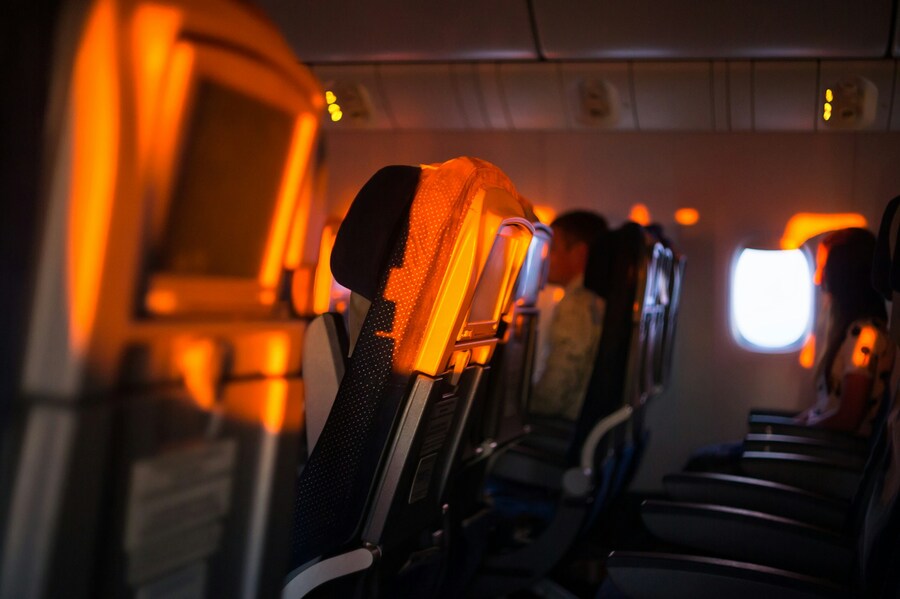
Major events create "directional imbalances." While fans surge toward host cities, airlines must fly nearly empty "backhaul" aircraft out of those regions, offering savvy travelers incredibly cheap outbound flight opportunities.
The psychology of directional demand
The beauty of this trick lies in its counter-intuitive nature. Most people plan their vacations based on where the "action" is. If a major festival is happening in Tokyo, the average traveler assumes the entire region is off-limits due to high costs. However, the reverse-commute logic suggests that while flights to Tokyo are soaring, flights originating from Tokyo to other major hubs – like London, New York, or Paris – might actually be at their lowest price points of the year. This happens because airlines are desperate to incentivize "outbound" travel from the event zone to balance their loads. By positioning yourself to fly against the grain, you are essentially providing the airline with a service: filling a seat that would otherwise go to waste.
Positioning flights and the "double reverse"
To make this work, a traveler often needs to employ a "positioning flight." This involves taking a low-cost, one-way flight into a region that's currently experiencing a mass exodus of fans or attendees. Once you are in that "hot zone," you can then book an incredibly cheap long-haul flight heading out to a destination that would normally be prohibitively expensive. For example, if a major championship is concluding in South America, the flights heading back to Europe will be packed and expensive. However, if you are looking to fly from that South American hub to a destination like Southeast Asia or North America during the tournament's peak, you may find that prices are surprisingly suppressed. The goal is to identify where the crowd is moving and then intentionally head toward the origin of that crowd.
Dynamic pricing and the 2026 context
Modern airline algorithms are more sophisticated than ever, utilizing real-time data to adjust prices by the minute. In the current travel environment, these systems are programmed to react violently to spikes in search volume. When the World Cup or a similar global event is announced, the "inbound" prices are hiked immediately. What the algorithms also do, however, is lower the "outbound" or "reverse-route" prices to ensure the aircraft remains utilized. Travelers who monitor these trends can find "error-like" fares that are actually just the result of extreme supply-and-demand imbalances. It requires a willingness to be flexible with your starting point, but the rewards are often business-class experiences for economy prices.

Source: Karsten Winegeart/Unsplash
Technical hacks for finding these routes
Finding these deals isn't always as simple as a basic search on a major aggregator. You often have to look at "multi-city" tools or "open-jaw" ticketing. One effective method is to use a broad map-based search tool and set your departure point as the event host city, regardless of where you actually live. If you see a flight from the host city to a dream destination for $400 that usually costs $1,200, you then work backward to find the cheapest way to get yourself to that host city. This "nested" ticketing strategy can save thousands of dollars on complex itineraries. Moreover, paying attention to the specific dates of the event is crucial. The best reverse-commute deals usually appear on the day of the opening ceremony and the day after the final match, as these are the moments of maximum directional flow.
Utilizing "hidden city" ticketing with caution
While the reverse-commute focuses on directional demand, it can sometimes be paired with "hidden city" ticketing to maximize savings. This involves booking a flight with a layover in your actual intended destination and simply walking away at the hub. When combined with the reverse-commute trick – say, flying from a high-demand event zone back to a hub – the savings can be exponential. However, this requires traveling with only a carry-on and carries risks with airline loyalty programs. For most, the pure reverse-commute – simply flying the "wrong way" at the "right time" – is a safer and equally effective method.
The impact of regional airport logistics
Logistics play a massive role in how these prices fluctuate. During peak periods, major hubs become congested, leading to higher landing fees and operational delays. Airlines sometimes redirect their "empty" backhaul flights to secondary airports nearby to save on these costs. For travelers, this means looking at airports within a two-hour radius of the main event hub. These secondary locations often host the best "outbound" deals because they are less congested and the airlines are even more eager to fill those departing seats. Keeping a close eye on ground transportation options between these secondary airports and the main city can make the difference between a good deal and a legendary one.
When planning these high-level maneuvers, one often overlooked aspect is the cost of getting to the departure airport, especially if you are driving from a nearby city to catch your "reverse" flight. For those traveling through major North American hubs, finding a place to leave the car shouldn't break the bank while you're off exploring the world. If your journey takes you through the Midwest, you might find that STL parking deals offer a highly cost-effective way to secure your vehicle. Utilizing professional services for STL Airport parking ensures that your car is safe while you take advantage of the massive savings found through reverse-commute airfare strategies, allowing you to focus entirely on the logistics of your complex itinerary.
Conclusion
Source: Oskar Kadaksoo/Unsplash
Mastering the art of the reverse-commute during major global events requires a departure from traditional travel planning. It asks the traveler to stop looking at where they want to go and start looking at where everyone else is coming from. By understanding that an airline's greatest fear is an empty seat on a returning aircraft, you can position yourself to benefit from the massive price drops that occur in the shadows of global "mega-events." This strategy does more than just save money; it opens up destinations that might otherwise have been financially out of reach. In a world where air travel is increasingly commoditized and expensive, the ability to read the flow of global traffic is the ultimate hack. Whether it's a sports tournament, a global political summit, or a massive cultural festival, there's always a "quiet side" to the noise. If you are willing to fly against the current, you can see the world for a fraction of the cost, proving that in the game of international travel, the best way to win is often to head exactly where everyone else isn't.


