

The modern landscape of air travel has shifted dramatically from the era where loyalty programs and direct flights were the gold standard for savvy voyagers. Today, the sky is no longer a playground for the brand-loyal; it belongs to the strategically flexible. As major global hubs become increasingly congested and expensive due to rising landing fees and premium demand, a new methodology has emerged for those looking to traverse the globe without exhausting their savings. This is the era of the "Reverse Hub" strategy – a tactical approach that flips traditional flight booking on its head. Instead of searching for the cheapest flight from your nearest major international airport, you identify the most affordable long-haul "jump-off" point and build your itinerary toward it. This travel guide explores how navigating the periphery of the aviation network can unlock unprecedented savings and a more refined travel experience. So, let's dive into the logistics!
How can utilizing secondary airports redefine the economics of your international journey?
To understand why secondary airports offer such staggering value, one must first look at the traditional hub-and-spoke model that dominated aviation for decades. Major carriers funnel passengers through massive central hubs like London Heathrow (LHR), Paris Charles de Gaulle (CDG), or New York's John F. Kennedy International (JFK). While convenient, these airports charge airlines exorbitant fees, which are invariably passed down to the consumer. Moreover, these "prestige" routes are often dominated by business travelers whose companies are less price-sensitive, keeping fares artificially high.
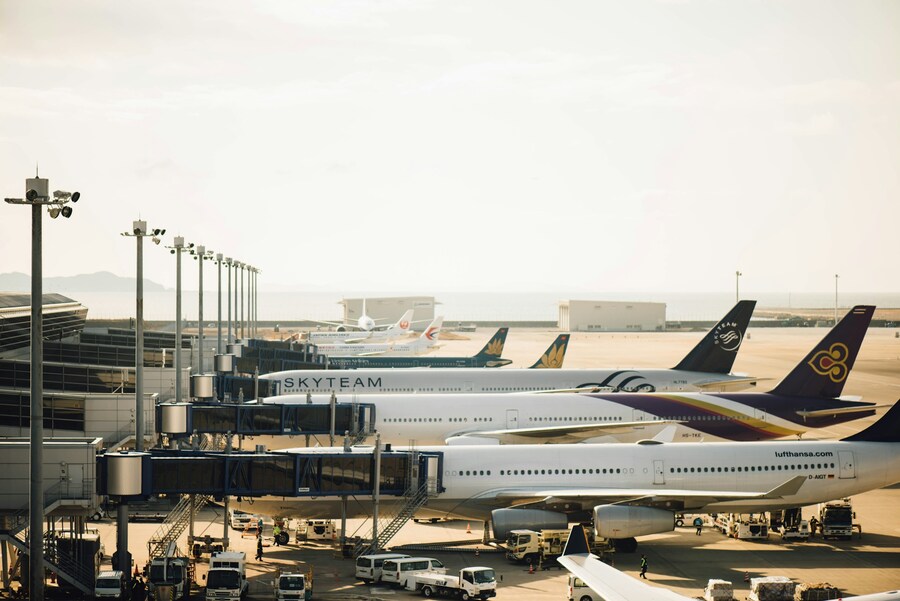
The Reverse Hub strategy operates on the realization that smaller, secondary airports – often located just 60 to 90 minutes away from their famous counterparts – frequently host budget long-haul carriers or full-service airlines trying to gain a competitive edge by lowering overhead. When you shift your departure or arrival point to a secondary gateway, you aren't just saving on the base fare; you're often bypassing the logistical nightmare of terminal overcrowding, long security lines, and the premium pricing of airport services.

Source: Nick Fewings/Unsplash
The geography of savings: identifying your strategic launchpads
Effective implementation of this strategy requires a shift in geographical perspective. In Europe, for instance, instead of looking exclusively at London, a traveler might find that starting a journey from Dublin or Oslo offers significantly lower transatlantic rates due to different tax structures and the presence of aggressive low-cost competitors. Similarly, in the United States, departing from an airport like Bradley International (BDL) in Connecticut or Stewart International (SWF) in New York can sometimes slash the cost of a flight to Europe by nearly half compared to departing from JFK or Newark.
The logic remains consistent regardless of the continent. By identifying "under-the-radar" gateways, you tap into a market where airlines are hungry for volume and willing to price aggressively to lure passengers away from the major hubs. This often involves booking two separate tickets: a short-haul "positioning flight" to reach the secondary hub and the primary long-haul ticket from there to your final destination. While this requires more logistical planning, the financial payoff is frequently enough to cover several nights of accommodation at your destination.
The mechanics of the positioning flight
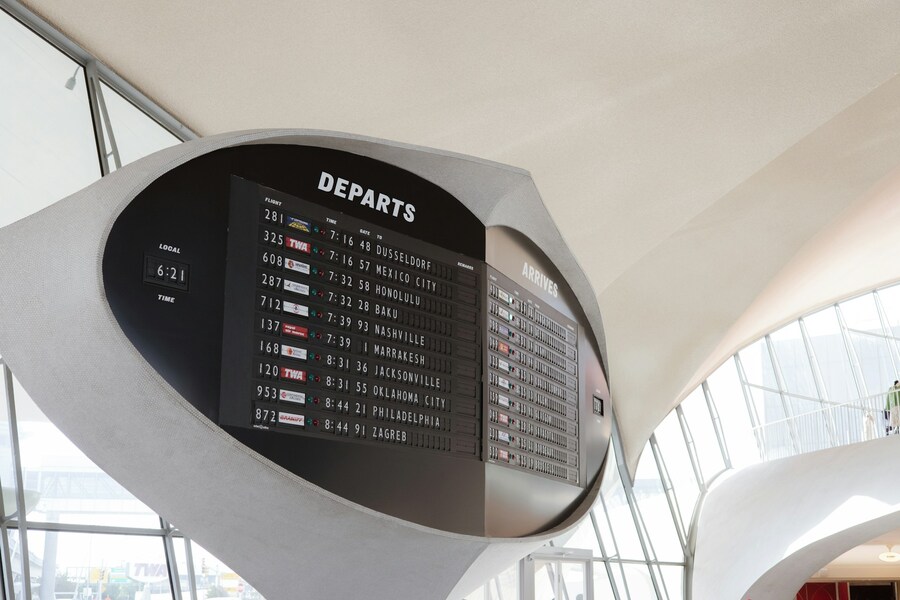
The success of the Reverse Hub strategy hinges on the positioning flight. This is the short-lived leg of your journey that gets you from your home city to the high-value secondary airport. The mistake most novices make is trying to book these on a single itinerary. To maximize savings, these must be treated as independent transactions. By using low-cost regional carriers to reach your jump-off point, you maintain the "budget" integrity of the entire trip.
However, this independence brings risks. Because the flights aren't "protected" on a single ticket, a delay in your positioning flight could cause you to miss your long-haul departure with no recourse from the airline. To mitigate this, seasoned travelers often employ the "long layover" tactic, arriving at the secondary hub at least six to eight hours before their international departure, or even spending a night in a local hotel. Even with the cost of a mid-range hotel and a meal, the total expenditure often remains hundreds of dollars below the cost of a standard direct flight from a major hub.
Source: Josh Withers/Unsplash
Navigating terminal logistics and ground transportation
One of the secondary benefits of flying out of smaller airports is the efficiency of the ground experience. While JFK or O'Hare can feel like navigating a small city, secondary airports are designed for rapid throughput. The "Reverse Hub" approach allows you to spend less time in security and more time in a relaxed environment. However, one must account for the transit time between the major city and the secondary airport. Most of these hubs are well-connected by express rail or dedicated bus lines, but failing to research these connections can eat into your savings if you're forced to take an expensive last-minute rideshare.
In the United States, this transition is particularly seamless. For travelers in the Northeast corridor, avoiding the congestion of the New York metro area by opting for regional alternatives provides a much-needed breath of fresh air. For those utilizing these northern gateways, logistical ease extends to the very start of the trip. Securing affordable BDL parking deals is a prime example of how secondary airports reduce the "hidden costs" of travel. While parking at a major hub can cost as much as a daily car rental, choosing BDL Airport parking options ensures that the savings you find on your airfare aren't immediately drained by the cost of leaving your vehicle at the terminal. This level of predictability in ground costs is a cornerstone of the savvy traveler's budget.
Mastering the "multi-city" search engine hack
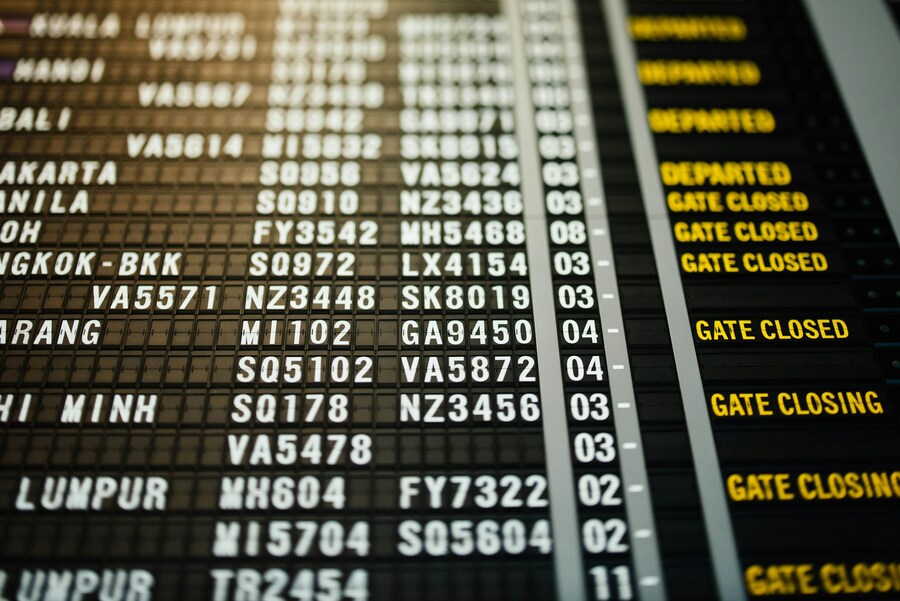
To find these deals, you cannot rely on a simple "Point A to Point B" search. You must use "Explore" tools or "Everywhere" search functions on modern flight aggregators. Start by searching for the cheapest flights from your continent to your destination continent, regardless of the specific city. This reveals the "hubs of the moment." Once you identify that, for example, flights from Boston to Barcelona are unusually cheap, you then look for the cheapest way to get from your actual home to Boston.
This "middle-out" search technique often reveals routes you would never have considered. You might find that flying from your home city to a secondary airport in the Azores and then taking a regional hop to mainland Europe is cheaper than any direct route. The internet has democratized access to this data, but it requires the traveler to be the "human algorithm" that pieces the disparate legs together.
Source: CHUTTERSNAP/Unsplash
The psychological shift: embracing the journey
Beyond the financial metrics, there's a psychological component to the Reverse Hub strategy. It encourages a slower, more intentional form of travel. By building in a stop at a secondary city, you often get to see a place you never intended to visit. A 12-hour layover in a city like Reykjavik, Lisbon, or even Providence can become a highlight of the trip rather than a nuisance. This converts the "dead time" of travel into an "extended vacation" component.
Moreover, smaller airports often provide a more "human" experience. The staff are less overwhelmed, the terminals are quieter, and the overall stress levels are lower. For families or elderly travelers, the lack of three-mile walks between gates – a common feature of major hubs – is a significant accessibility benefit that's rarely factored into the ticket price.
Dealing with baggage and customs in a split-ticket world
The primary technical challenge of this strategy is baggage. When you fly on split tickets, your luggage is rarely "checked through" to your final destination. You'll likely need to claim your bags at the secondary hub and re-check them with your next airline. This requires you to clear customs and immigration if the secondary hub is in a different country.
To bypass this headache, many proponents of the "Reverse Hub" method adopt a "carry-on only" philosophy. By traveling light, you eliminate the need to wait at baggage carousels and can often use transit-only lanes, making the connection between flights nearly instantaneous. If you must check a bag, ensure your layover is at least four hours to account for the "claim and re-check" cycle, which can be unpredictable during peak hours.

Source: Eminent Luggage/Unsplash
The role of premium cabins in the secondary market
Interestingly, the Reverse Hub strategy isn't just for budget travelers. It's often the single most effective way to book Business or First Class for a fraction of the price. Airlines frequently run deep discounts on premium cabins from their non-primary hubs to attract high-value travelers away from their competitors. A Business Class seat from a secondary European city to the U.S. might be priced at $1,500, while the same airline charges $4,000 for the same seat departing from its main hub just a few hundred miles away. For those who value comfort, the cost of a positioning flight is a small price to pay for a lie-flat bed on a 10-hour journey.
Tech tools and alerts for the modern nomad
In today's digital environment, you don't have to manually check every airport code. Subscription services and AI-driven flight trackers have become essential tools. These services monitor "fare wars" between secondary airports and major destinations. By setting alerts for specific regions rather than specific airports, you can be notified the moment a secondary hub drops its prices. This allows you to be reactive and strike while the fare is low, building the rest of your itinerary around that core "win."
Source: CHUTTERSNAP/Unsplash
Conclusion
Ultimately, the "Reverse Hub" strategy is about reclaiming control from the airline industry's pricing algorithms. It requires a departure from the "convenience at all costs" mindset that keeps many travelers tethered to overpriced, overcrowded major airports. By being willing to add a small layer of complexity to your planning – choosing a positioning flight, exploring a secondary city, and being mindful of ground logistics – you can effectively "hack" the global aviation network.
The savings found through this method aren't marginal; they are transformative. Saving 40% on a long-haul flight doesn't just mean more money in your bank account; it means the ability to travel twice as often, stay in better accommodations, or extend your journey into new territories. As the world becomes more connected and secondary airports continue to expand their infrastructure, the gap between the "informed traveler" and the "average passenger" will only widen. The question is no longer whether you can afford to fly across the world, but whether you're willing to look slightly to the left or right of the major hub to find the path that takes you there for less. We wish you safe travels, clear skies, and many incredible adventures on your next journey!


