

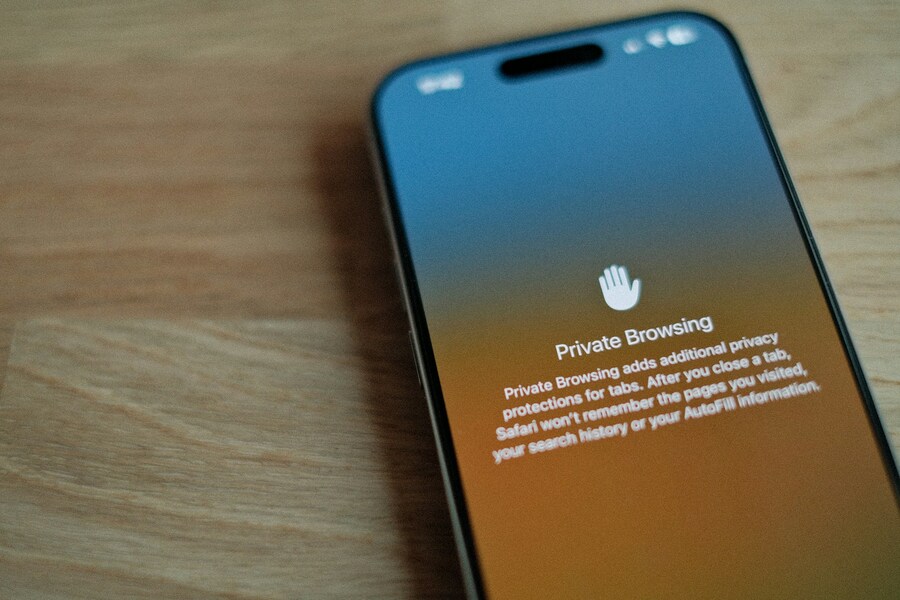
The modern traveler exists in a digital landscape that's constantly shifting, where algorithms dictate prices and convenience often comes at a premium. For years, a specific piece of "common wisdom" has circulated through travel blogs, social media forums, and family gatherings: the idea that opening an incognito tab or clearing your browser cookies will magically slash the price of your flight. It's a compelling narrative because it suggests that the consumer can outsmart the billion-dollar airline industry with a single click. However, as we navigate the complexities of contemporary air travel, it has become increasingly clear that this trick is more of a digital urban legend than a functional strategy. To truly save money and master the art of the journey, one must move past these myths and look toward the sophisticated reality of revenue management and logistical planning.
The reality is that airline pricing is incredibly dynamic, influenced by global demand, fuel costs, and historical data rather than just your individual browsing history. While it might feel personal when a price jumps $50 after you refresh a page, that change is usually the result of a "fare bucket" selling out or a central algorithm adjusting to broader market trends. Understanding the "why" behind these fluctuations is the first step toward becoming a truly savvy traveler. This travel guide aims to dismantle the outdated hacks and replace them with actionable, high-level strategies that respect the intelligence of the modern flyer and the technology that powers the sky.
So, how can you master modern skies beyond basic myths?
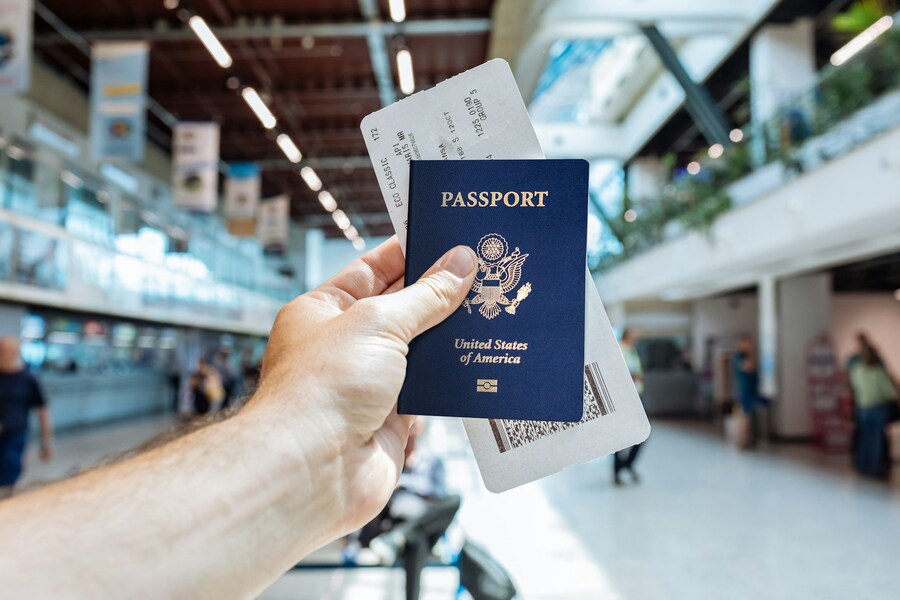 Source: Global Residence Index/Unsplash
To understand why the "incognito trick" is largely a placebo, we must look at how airlines actually sell seats. Modern carriers use sophisticated revenue management systems that prioritize maximizing the profit of every single seat on an aircraft. They aren't tracking your specific IP address to raise the price of a flight to London just because you looked at it twice; they are monitoring the fact that two hundred other people are looking at that same flight simultaneously. These neural networks analyze global booking velocities and macroeconomic shifts in real-time, ensuring that fares reflect current market demand rather than individual cookies. When the system detects a surge in interest or a decrease in available inventory, it automatically moves to the next price tier. This happens across all platforms, whether you are in a private window or not, as the inventory is updated globally on the airline's central server. This centralized logic means that the price you see is the price available to everyone in your specific market segment at that exact millisecond.
The psychology of the search and real savings
The reason many people swear by incognito mode is likely rooted in confirmation bias. If they search in a normal window and see a high price, then switch to incognito and see a lower price, they credit the browser. In reality, they likely caught a momentary dip or a cached page finally updating. To find real savings, travelers should focus on the "Goldilocks Window" for booking. This is the period where airlines have moved past the early-bird promotional pricing but haven't yet entered the "last-minute desperation" phase. Typically, for domestic flights, this is one to three months out, while international routes require a lead time of four to seven months.
Beyond timing, the concept of "geographic pricing" is far more effective than incognito browsing. Airlines often price tickets differently based on the point of sale – the country from which the booking is being made. By using a
Navigating the airport experience with efficiency
The flight itself is only one part of the travel equation. The journey truly begins at the curb, and managing the logistics of departure can save as much stress and money as finding a cheap fare. One of the most overlooked aspects of travel hacking is the "first mile" and "last mile" of the trip. Many travelers default to expensive rideshares or long-term on-site parking without considering the alternatives. This is where the integration of technology and logistical planning pays off. For instance, those departing from regional hubs often find that pre-booking off-site services can drastically reduce the total cost of the trip.
In many cases, the most efficient way to handle the departure phase is through specialized booking platforms. For travelers flying out of the Syracuse area, securing SYR Airport parking or searching for the latest SYR parking deals allows for a seamless transition from the car to the terminal. By utilizing these resources, you avoid the premium "convenience tax" charged to those who show up without a plan. These platforms often provide access to secure, reliable lots that are much more affordable than the standard daily rates at the terminal, ensuring that the money you saved on your airfare isn't immediately swallowed up by parking fees.
Leveraging credit card ecosystems and loyalty
If you want to fly for pennies on the dollar, the real "hack" is the strategic use of transferable points and miles. The era of just "earning miles by flying" is mostly over for the casual traveler; the real gains are made on the ground through strategic spending. Most major carriers now operate their loyalty programs like banks, and their currency – the points – is a commodity. By aligning yourself with a specific credit card ecosystem that offers "transfer partners," you gain the flexibility to move points to whichever airline is offering the best redemption value at that moment.
This requires a shift in mindset from being a "bargain hunter" to a "value seeker." A $400 flight might seem like a deal, but if you can book a $2,000 business-class seat for 60,000 points and a small fee, the value proposition changes entirely. Moreover, high-tier travel cards often come with lounge access, which provides a quiet space, free food, and high-speed internet. When you factor in the cost of airport meals and the stress of a crowded gate, the annual fee of a premium card often pays for itself within just two or three trips.
The art of the "hidden city" and "open-jaw" routing
For the more adventurous and luggage-light traveler, "hidden city" ticketing remains a controversial yet effective way to lower costs. This involves booking a flight where your actual destination is the layover city. Because of the strange way airlines price hub-to-hub routes versus direct flights, it's sometimes cheaper to book a flight from New York to Los Angeles with a stop in Denver and then simply walk out of the airport in Denver. However, this comes with strict rules: you cannot check a bag, as it'll go to the final destination, and you can only do this on one-way tickets, as the airline will cancel the rest of your itinerary once you miss a leg.
A more stable and often more rewarding strategy is "open-jaw" routing. This is when you fly into one city, say London, and fly home from another, such as Paris. This eliminates the time and cost of backtracking to your original arrival city. While it might look more expensive on a simple search, when you calculate the cost of a train ticket or a regional flight back to your starting point, plus the value of an extra day of sightseeing, the "open-jaw" often emerges as the superior logistical choice.
Packing as a performance art
The final frontier of air travel hacking is the bag. As airlines continue to unbundle their services, the "Basic Economy" fare has become the standard, often excluding even a carry-on bag. To beat this, travelers are turning to "capsule wardrobes" and high-tech fabrics that allow them to pack a week's worth of clothing into a personal item that fits under the seat. This isn't just about saving $30 in baggage fees; it's about freedom. Bypassing the check-in counter and the baggage carousel can save up to two hours of your life per trip.
Modern travel gear has evolved to meet this need. Compression cubes, lightweight merino wool, and multi-functional electronics chargers are the tools of the trade. By minimizing your physical footprint, you become a more agile traveler, able to take earlier standby flights, navigate public transit with ease, and avoid the risk of lost luggage entirely. It turns the stressful experience of air travel into a streamlined, almost cinematic transition from one part of the world to another.
Conclusion

Air travel in the modern era is less about "tricking" the system and more about understanding its architecture. The myth of the incognito tab persists because it offers a sense of control in a process that often feels opaque and frustrating. But real control comes from data-driven decisions: knowing when to book, how to leverage your digital location via VPN, and where to find the best logistics for your departure, such as finding the right deals for your vehicle before you even leave the house.
When you stop looking for the "magic button" and start focusing on the long-term strategies of loyalty points, logistical efficiency, and minimalist travel, the entire experience transforms. The sky is no longer a place of stress and hidden fees, but a gateway that you have learned to navigate with precision. The most successful travelers aren't those who clear their cookies; they are those who clear their schedules with a well-researched plan, ensuring that every dollar spent and every hour traveled is optimized for the best possible adventure.


