

The era of air travel is shifting from mere transportation to a complex game of strategy and digital maneuvering. As the global landscape for major events expands, the traditional methods of booking a flight are becoming increasingly obsolete. For travelers looking to maintain their sanity and their savings, the old "Tuesday at midnight" booking myths have been replaced by sophisticated logistical workarounds. Navigating the skies today requires a blend of technological savvy, an understanding of airline network physics, and a willingness to look beyond the obvious departure and arrival points. Whether you're a seasoned digital nomad or a family planning a long-overdue vacation, the goal remains the same: minimizing the friction of transit while maximizing the value of every dollar spent.
The challenge isn't just about finding a seat; it's about navigating a system that's more congested and digitally optimized than ever before. Airlines have mastered the art of dynamic pricing, using real-time data to adjust fares based on everything from your browsing history to current geopolitical events. To stay ahead, one must adopt a mindset of flexibility. This means rethinking how we define a "direct" route and acknowledging that the most straightforward path is often the most expensive and stressful. By embracing the nuances of modern aviation logistics, travelers can unlock a world of efficiency that remains hidden from the average passenger.
So, how can travelers master the "Hub-Bypass" trick and other modern flight hacks?
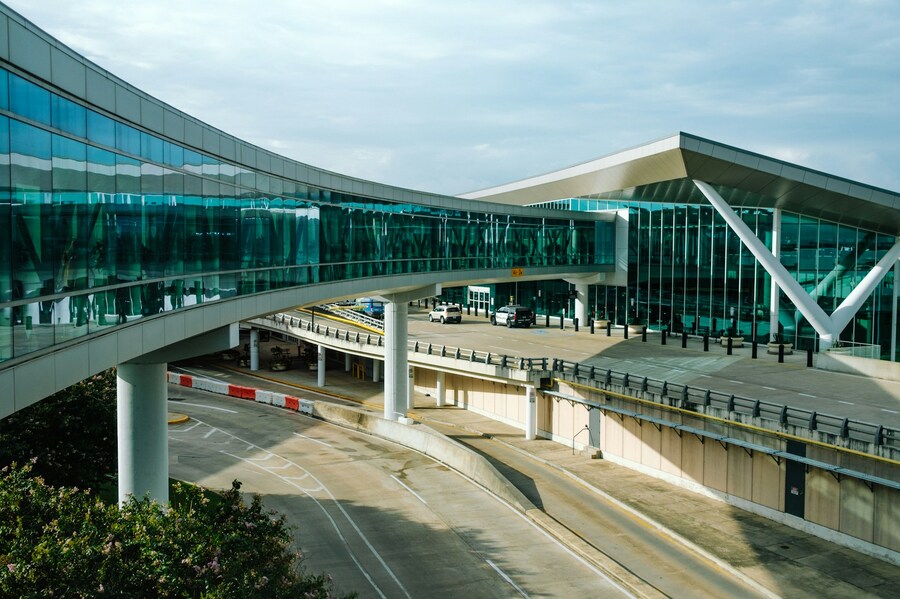 Source: Jeswin Thomas/Unsplash
To understand the "Hub-Bypass" trick, one must first look at the traditional hub-and-spoke model that has dominated the airline industry for decades. In this classic setup, major carriers funnel passengers from smaller "spoke" cities into a central "hub" airport before sending them back out to their final destination. While this system allows airlines to maximize their fleet efficiency, it creates massive bottlenecks at major airports like Atlanta (ATL), London Heathrow (LHR), or Dubai (DXB). When a global event occurs, these hubs become high-pressure zones where prices skyrocket and delays ripple through the entire network. The "Hub-Bypass" trick involves intentionally selecting point-to-point routes or secondary regional airports that skirt these congested centers entirely.
The rise of long-range, narrow-body aircraft has revolutionized this strategy. In years past, crossing an ocean or a continent usually required a massive jumbo jet that could only land at primary international hubs. Today, newer, fuel-efficient models can fly long distances while landing at smaller, secondary airports. This shift allows savvy travelers to fly directly into a region rather than into a central terminal. For example, instead of fighting the crowds at a massive metropolitan hub, a traveler might choose a smaller international gateway located just a few hours away by train or a short hopper flight. This not only saves money on the initial fare but often reduces the time spent in security lines and customs, as secondary airports are generally much more manageable.
Maximizing the potential of open-jaw itineraries
Beyond simply skipping the hub, the concept of an open-jaw itinerary offers a level of flexibility that traditional round-trip tickets cannot match. An open-jaw ticket allows you to fly into one city and depart from another, eliminating the need to double back to your original starting point. This is particularly effective when exploring a specific geographic region. By utilizing high-speed rail or local regional carriers to bridge the gap between your arrival and departure cities, you can see more of a destination without the logistical headache of returning to a busy hub just to catch a flight home.
Modern booking engines have made it easier to piece these routes together, but the real secret lies in understanding regional geography. Often, a flight into a secondary city is significantly cheaper than a flight into a capital. By arriving at a smaller gateway and departing from a major one (or vice versa), travelers can often find a "sweet spot" in pricing that round-trip algorithms overlook. This approach also allows for a more organic travel experience, as you aren't tethered to a single location for your transit needs.
The technical edge of biometric and digital identities
The physical act of moving through an airport is undergoing a massive digital transformation. Biometric technology is no longer a futuristic concept but a standard part of the transit experience in many parts of the world. Utilizing digital identity programs can shave significant time off your airport journey. Many international terminals now use facial recognition for boarding, bag drops, and even security screening. Being "biometric-ready" means ensuring your passport and digital travel documents are synced with the latest airline apps before you even arrive at the curb.
Moreover, the integration of real-time tracking for checked luggage has moved from a premium service to a standard expectation. While many airlines offer their own tracking through their apps, using independent GPS trackers remains a superior hack for peace of mind. Having a precise location for your bags allows you to bypass the stressful wait at the baggage claim if a delay occurs, as you can provide the airline with the exact coordinates of your luggage rather than waiting for their internal system to update. This proactive approach to digital tools is what separates a modern travel hacker from a casual flyer.

Source: Josh/Unsplash
Leveraging "Fifth Freedom" flights for premium experiences
One of the most underutilized secrets in the aviation world is the "Fifth Freedom" flight. These are routes where an airline flies between two foreign countries as part of a longer journey starting or ending in its home country. For example, a major Middle Eastern carrier might fly from its home hub to a European city and then continue that same flight onto a North American destination. Passengers are often allowed to book just the "middle" leg of that journey – the portion between Europe and North America.
These flights are frequently cheaper than those offered by domestic carriers on the same route because the airline is primarily looking to fill seats that would otherwise be empty for the second leg of the trip. In addition, because these are often long-haul international aircraft, you get the benefit of wide-body comfort, better meal services, and superior in-flight entertainment on a relatively short hop. Identifying these routes requires a bit of research, but they represent some of the best value-for-money opportunities in the sky today.
The psychology of timing and hidden-city ticketing
While the industry has moved away from the "book on Tuesday" rule, timing still plays a psychological role in fare management. Airlines often release inventory in waves, and prices fluctuate based on real-time demand. However, a more controversial but effective strategy is "hidden-city" ticketing. This involves booking a flight with a layover in your actual intended destination and simply walking out of the airport at the layover point, skipping the final leg of the journey. While this can lead to significant savings, it comes with strict rules: you cannot check a bag, and you must book your flights as one-way segments, as the airline will cancel the rest of your itinerary once you "miss" a leg.
For those who prefer a less risky approach, the "hidden-city" mindset can be applied to choosing departure points. Sometimes, taking a short train ride or a cheap bus to a nearby city to start your international journey can save hundreds of dollars. This is especially true when a neighboring city isn't hosting a major event or doesn't serve as a primary hub for a specific carrier. The effort of a two-hour ground transfer is often rewarded with a significantly lower airfare and a much quieter terminal experience.
Navigating airport logistics and ground transitions
The journey doesn't begin or end at the gate; it starts the moment you leave your front door. Ground logistics are often the most overlooked part of the travel budget and stress levels, yet they are the first hurdle in a successful bypass strategy. As major international hubs become more congested, savvy travelers are increasingly looking at regional alternatives that offer smoother infrastructure and lower overhead costs. For instance, if you are navigating the Great Lakes region, choosing a smaller gateway can save hours of terminal navigation. A key part of this strategy is securing reliable AZO Airport parking before you arrive, which avoids the gridlock of mega-hubs. Our platform, AirportParking.deals, makes this process seamless by aggregating the best rates in one place. Utilizing AZO parking deals found on https://airportparking.deals/airport/AZO.html allows you to secure a spot without the exorbitant fees often found at larger metropolitan airports, ensuring your vehicle is safe while you focus on the intricacies of your flight itinerary.
This attention to detail extends to how you handle the final miles of your journey. Many travelers are now opting for "car-to-gate" strategies that involve pre-booking every step of the process. From the parking spot to the security line, every minute saved on the ground is a minute of recovery time gained for the actual flight. This is particularly important when navigating the busy seasons associated with international sports or cultural festivals, where local infrastructure is stretched to its absolute limit. When the "big" airport is suffering from a four-hour security queue, the traveler at the regional airport is already through the gate and enjoying a coffee.

Source: unavailable parts/Unsplash
Refining the art of the carry-on and weight management
The logistics of what you carry are just as important as the route you fly. With airlines becoming increasingly strict about weight limits and bag dimensions, the "art of the carry-on" has become a technical discipline. Investing in high-quality, lightweight materials for your luggage is a baseline requirement. However, the real hack lies in the distribution of weight. Many travelers are now utilizing "wearable" luggage – jackets with multiple deep pockets – to carry heavy electronics and chargers, bypassing the scale at the check-in counter.
Moreover, the shift toward sustainable travel has led many to rethink their packing lists entirely. Digital nomads and frequent flyers are opting for high-performance fabrics that require less frequent washing and take up minimal space. By reducing the physical footprint of your belongings, you not only avoid baggage fees but also increase your mobility within the airport. This agility is crucial when you are utilizing the "Hub-Bypass" trick, as it allows you to move quickly between terminals or switch to a train if a regional delay occurs.
Understanding airline alliances and "Status Matching"
Even for the infrequent traveler, understanding the ecosystem of airline alliances can yield significant benefits. Most major airlines belong to one of three primary global alliances. When you earn miles or hold status with one airline, those benefits often carry over to their partners. A lesser-known hack is "Status Matching," where an airline will grant you an equivalent level of frequent flyer status if you can prove you hold it with a competitor. This can grant you access to lounges, priority boarding, and extra baggage allowances, even if you are flying with that specific carrier for the first time.
Lounges are perhaps the most underrated tool for the modern traveler. Beyond the complimentary food and drinks, they provide a quiet environment with reliable Wi-Fi and power outlets, which is essential for managing your itinerary if delays occur. Many credit card programs now offer lounge access as a standard perk, making it accessible to those who don't necessarily fly enough to earn it through miles alone. In a year where airports are expected to be at record capacity, having a sanctuary away from the gate is a luxury that quickly pays for itself in reduced stress.
The bottom line

Source: Jannik/Unsplash
Mastering the skies today is less about finding a "golden ticket" and more about the aggregation of marginal gains. By bypassing crowded hubs, utilizing digital identity tools, and staying flexible with your arrival and departure points, you can navigate even the most congested travel seasons with relative ease. The "Hub-Bypass" trick is more than just a way to save money; it's a philosophy of travel that prioritizes time, comfort, and efficiency over traditional, rigid routing.
As we look toward a future where global connectivity continues to increase, the travelers who thrive will be those who treat the journey as a series of logical puzzles to be solved. Whether it's securing the best parking rates at a regional airport or finding a "Fifth Freedom" route across the ocean, the information is out there for those willing to look. Stay informed, stay flexible, and remember that the best way to get from point A to point B isn't always a straight line – it's the path that offers the most peace of mind. By applying these hacks, you ensure that your travel experiences are defined by the destinations you reach, not the frustrations of the journey itself.


