

The modern landscape of air travel often feels like a race to the bottom, where shrinking legroom, mounting baggage fees, and a general decline in service quality have become the standard expectation for most passengers. We've grown accustomed to the utilitarian nature of the "bus in the sky" model, particularly when flying domestic or short-haul regional routes. However, hidden within the complex web of international aviation agreements lies a loophole that allows savvy travelers to bypass the mediocrity of standard regional carriers. This phenomenon, known as the "Fifth Freedom" flight, represents one of the most potent secrets in the frequent flyer's arsenal, offering a glimpse into the world of luxury aviation without the five-figure price tag.
Imagine boarding a wide-body Boeing 777 or an Airbus A350 for a flight that lasts only two or three hours. Instead of the cramped quarters of a regional jet, you are greeted by international-grade lie-flat seats, high-definition entertainment systems, and the world-class hospitality of top-tier Middle Eastern or Asian carriers. This isn't a fluke or an accidental upgrade; it's the strategic application of Fifth Freedom rights. These routes exist because an airline from one country is permitted to carry passengers between two other countries as part of a longer journey. By understanding how these routes operate and how to find them, travelers can fundamentally transform their flying experience from a chore into a highlight of their trip.
So, how can you access premium global cabins on regional budget routes?
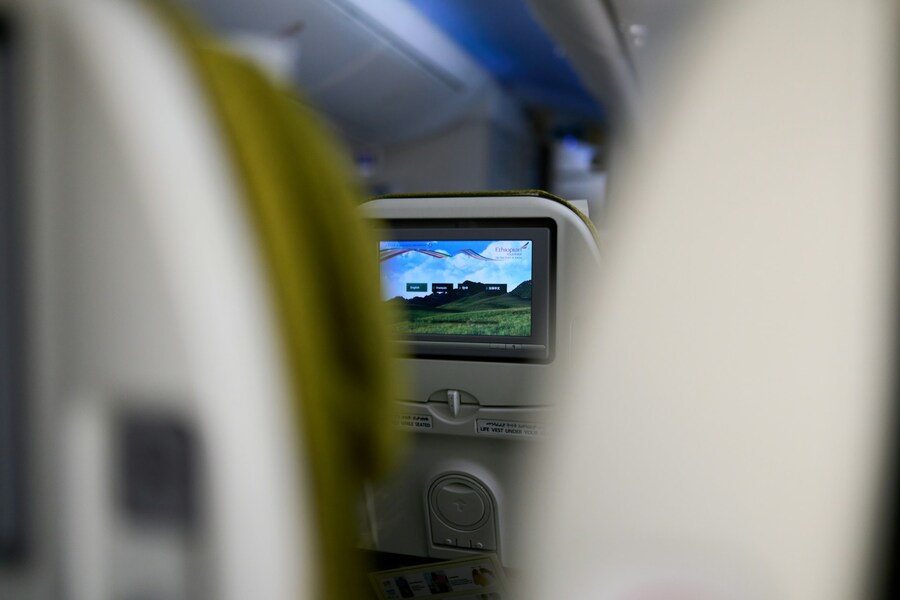 Source: Shane Ryan Herilalaina/Unsplash
To master this travel hack, one must first understand the legal framework that makes it possible. The "
The logistics of the luxury loophole
The primary reason these flights are so desirable is the discrepancy in equipment. When a major international carrier operates a Fifth Freedom route, they don't swap out their massive long-haul jets for smaller planes during the short leg. They use the same aircraft that just flew 10 hours across an ocean. Consequently, passengers on a short hop get access to a cabin designed for ultra-long-haul comfort. On a typical regional flight, business class might just be an economy seat with the middle seat blocked out. On a Fifth Freedom flight, that same business-class ticket gets you a private pod with a bed. Even in economy, the difference is palpable, with better seat pitch, superior meal services, and an entertainment library that far exceeds what a domestic carrier offers.
From a pricing perspective, these routes are often aggressively competitive. Because the airline is already flying the plane to its final destination, any revenue generated on the intermediate leg is essentially a bonus. To fill those seats, premium carriers often price their tickets to match or even undercut the local budget airlines that dominate those short routes. This creates a market inefficiency where the highest quality product is sometimes the most affordable option. For the traveler, this means that with a bit of research, the cost of a standard economy ticket on a legacy carrier can be traded for a far superior experience on an international giant.
Identifying the world's best short-haul steals
The global map is dotted with these unique opportunities, though they require a keen eye to spot. In Europe, for instance, several Asian and Middle Eastern carriers operate legs between major hubs like London, Paris, and Frankfurt and other secondary European cities. These segments serve as "tag-on" flights to their primary long-haul service. Similarly, in Southeast Asia, the proximity of major financial hubs creates a dense network of Fifth Freedom routes where airlines from the Americas or Europe ferry passengers between cities like Singapore, Bangkok, and Hong Kong. The beauty of these routes lies in their consistency. While domestic airlines might swap planes at the last minute, a Fifth Freedom flight is almost guaranteed to be a wide-body jet because the aircraft is required for the much longer journey that follows or preceded the short hop. This reliability allows travelers to plan their trips around a specific "bucket list" aircraft or cabin product. Whether it's experiencing the industry-leading service of a five-star carrier on a flight across the Tasman Sea or enjoying a full multi-course meal on a 90-minute hop in the Caribbean, the opportunities for "lifestyle arbitrage" are immense.
One often overlooked aspect of the Fifth Freedom hack is the role of secondary airports and transit hubs. While the world's most famous airports host many of these flights, smaller international gateways are increasingly becoming stops for long-haul carriers looking to expand their reach without committing to a direct non-stop flight. These secondary hubs often offer a more seamless ground experience, with shorter security lines and easier navigation, which, when paired with a luxury flight, results in a significantly less stressful travel day. Moreover, these routes are frequently less crowded than the primary direct routes operated by national flag carriers. This lower load factor often results in a higher likelihood of empty seats nearby in economy or a more attentive service experience in the premium cabins. For those using frequent flyer miles, Fifth Freedom routes are a goldmine. Because many travelers are unaware they can book these specific segments, award seat availability is often much higher than on the direct flights between the same two cities. This allows savvy points-collectors to maximize the "cents-per-mile" value of their redemptions by booking into first or business class for a fraction of the usual points cost.

Source: Cemrecan Yurtman/Unsplash
Mastering the search for "ghost" flights
Finding these flights requires a departure from traditional booking habits. Most travelers simply search for a destination and pick the first or cheapest flight that appears. To find Fifth Freedom routes, one must look for airlines that are clearly not headquartered in the origin or destination country. If you are flying from New York to Vancouver and see an option for an airline based in Hong Kong, you've found a Fifth Freedom flight. These are sometimes referred to as "ghost flights" because they don't always appear prominently in standard search results unless you are specifically looking for them. Specialized flight search engines and aviation databases are essential tools for this process. By filtering searches by "aircraft type," you can narrow down results to only include wide-body jets on short routes. This is a tell-tale sign of a Fifth Freedom flight. In addition, keeping an eye on aviation news and route announcements is vital, as these flights are often subject to changing geopolitical climates and bilateral trade agreements. When a new Fifth Freedom route is announced, it's often accompanied by introductory fares that are shockingly low, providing the perfect window for a luxury getaway on a budget.
While the in-flight experience is the main draw, the ground logistics of Fifth Freedom flights can be slightly different from standard regional travel. Because these flights are technically international segments of a much longer journey, they almost always operate out of international terminals. This is a significant advantage for travelers with lounge access, as international terminals generally host much higher-quality lounges than domestic terminals. You might find yourself enjoying premium spirits and chef-prepared meals in a lounge designed for transcontinental travelers before hopping on a two-hour flight. However, travelers should be aware of the "stopover" nature of these flights. On the ground, the plane is often being cleaned or re-crewed from its previous long-haul leg, which can sometimes lead to slightly longer boarding processes. In addition, check-in counters for these airlines may only open a few hours before the flight and might be located in a specific section of the terminal. It's also worth noting that because these are international carriers, baggage policies may be more generous than those of domestic budget airlines, though you should always verify the specific rules for the Fifth Freedom segment, as they can occasionally differ from the airline's standard long-haul policy.
Maximizing the value of every mile
Smart travelers streamline logistics to maintain a premium experience. When flying from the Southwest, securing ABQ Airport parking in advance ensures a smooth transition. By finding the best ABQ parking deals, you save time and money that can be reinvested into your journey. Integrating these local efficiencies with Fifth Freedom hacks allows you to enjoy world-class luxury from the moment you leave your front door.
The bottom line
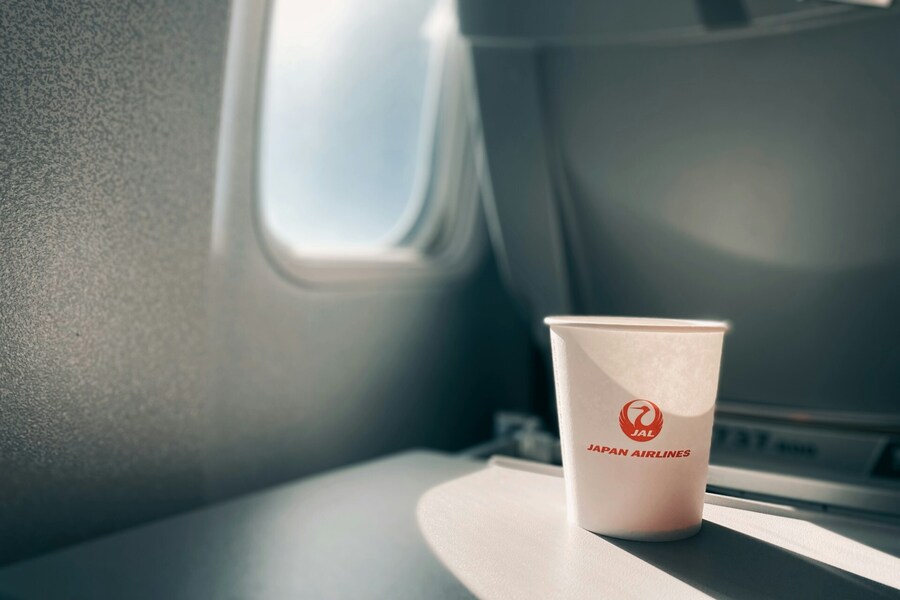
Source: kurage/Unsplash
The "Fifth Freedom" flight hack is more than just a trick for getting a better seat; it's a philosophy of travel that rewards curiosity and research. By stepping outside the bubble of domestic carriers and exploring the vast network of international aviation, you open up a world where luxury is accessible and every flight is an event. These routes prove that you don't need a corporate expense account or a million-mile balance to enjoy the finer things in aviation. This approach requires a bit more effort in the booking stage, but the dividends are paid in legroom, champagne, and a level of hospitality that's all too rare in the modern sky.
As you plan your next trip, take a moment to look beyond the usual suspects. Search for those "out of place" airlines and wide-body jets on short-haul maps. Consider the total cost of your journey, including the small details like parking and transit, to ensure your experience is seamless from start to finish. With the right strategy, the sky is no longer a place of endurance, but a realm of possibility. The next time you find yourself in a lie-flat bed on a short hop across a continent, you'll know that the extra effort was well worth the reward. Embracing these opportunities transforms the way we see the world, turning the logistical hurdle of transit into the centerpiece of the adventure itself.


