

The travel industry is currently navigating a profound transformation, moving away from the era of excess and toward a future defined by intentionality. For decades, the convenience of air travel was synonymous with a mountain of single-use disposables – plastic cups, polyester blankets, and non-recyclable cutlery that vanished from the tray table only to linger in landfills for centuries. However, a new philosophy is taking flight. Modern travelers are no longer just looking for the fastest route; they are seeking journeys that align with their personal values. This shift has prompted a radical redesign of the cabin experience, where natural, rapidly renewable materials are replacing the synthetic mainstays of the past.
Among the most exciting developments in this green revolution is the emergence of bamboo and cork as the "new gold" of aviation interiors and service. These materials aren't just aesthetically pleasing; they represent a circular approach to resource management that prioritizes the health of the planet without compromising the comfort of the passenger. As we look at the current landscape of the skies, it's clear that the airlines leading the charge are those that view sustainability as a premium perk rather than a regulatory burden.
So, is the future of sustainable air travel carved from bamboo and cork?
 Source: enkuu smile/Unsplash
The short answer is a resounding yes. The transition is happening across every touchpoint of the passenger journey, from the moment you settle into your seat to the last sip of your mid-flight beverage. Bamboo, in particular, has become the hero of the "plastic-free" movement. Its ability to grow at incredible speeds – some species can grow up to three feet in a single day – makes it one of the most sustainable raw materials on Earth. Airlines are leveraging this versatility to replace everything from the stir sticks in your coffee to the very containers that hold your hot meals.
The rise of the bamboo-based cabin
Several major carriers have made significant strides in integrating bamboo into their service flow. One of the most notable transitions involves the humble cold beverage cup. Traditionally made from polypropylene, these cups were a primary source of cabin waste. Now, industry leaders have introduced pulp-blend cups consisting largely of bamboo and paper. These containers are designed to be durable enough for a cross-country flight while being significantly easier on the environment. By swapping out plastic for these plant-based alternatives, a single large carrier can eliminate over a million pounds of plastic waste annually.
Beyond the cup, bamboo has found its way into the cutlery drawer. The days of flimsy plastic forks that snap mid-meal are being replaced by sturdy, polished bamboo sets. These are often accompanied by unbleached bamboo-fiber napkins, which avoid the harsh chemical processes associated with traditional white paper products. Some airlines have even extended this to their amenity kits, offering bamboo toothbrushes and combs, proving that luxury and ecology can coexist in a tiny zip-up pouch.
Cork and natural fibers in interior design
While bamboo handles the service items, cork is making waves in the structural and decorative elements of the cabin. Cork is a remarkable material; it's lightweight, fire-resistant, and possesses natural acoustic properties that help dampen the hum of jet engines. In the latest cabin concepts, you might find cork-based laminates on sidewalls or even integrated into the flooring of premium suites. Because cork is harvested from the bark of the tree without harming the tree itself, it remains a carbon-sink material throughout its lifecycle.
Airlines are also looking at how these materials impact the overall weight of the aircraft. In aviation, every gram counts. Replacing heavy synthetic panels with cork composites or flax-based textiles helps reduce the total takeoff weight. This, in turn, leads to lower fuel consumption and reduced carbon emissions. It's a rare "win-win" scenario where the aesthetic upgrade of using natural textures actually contributes to the mechanical efficiency of the flight.
Reimagining the in-flight meal
The dining experience is perhaps where passengers notice these changes most acutely. The latest trend in catering involves moving away from plastic-wrapped entrees toward "non-wood pulp" containers. These are often crafted from a blend of bamboo, sugarcane, and straw. These materials are chosen for their high heat resistance and structural integrity, ensuring that a hot meal stays hot without the container becoming soggy.
Innovators in the space are even upcycling materials to close the loop. For instance, some airlines are now repurposing old cabin crew uniforms into medical pouches or turning retired in-flight blankets into cozy bottle covers. This "circularity" ensures that materials are kept in use for as long as possible, preventing them from entering the waste stream. When you see a tray table set with bamboo tools and plant-based plates, you are witnessing a sophisticated logistics operation dedicated to minimizing the footprint of your lunch.
Advanced waste management and closed-loop systems
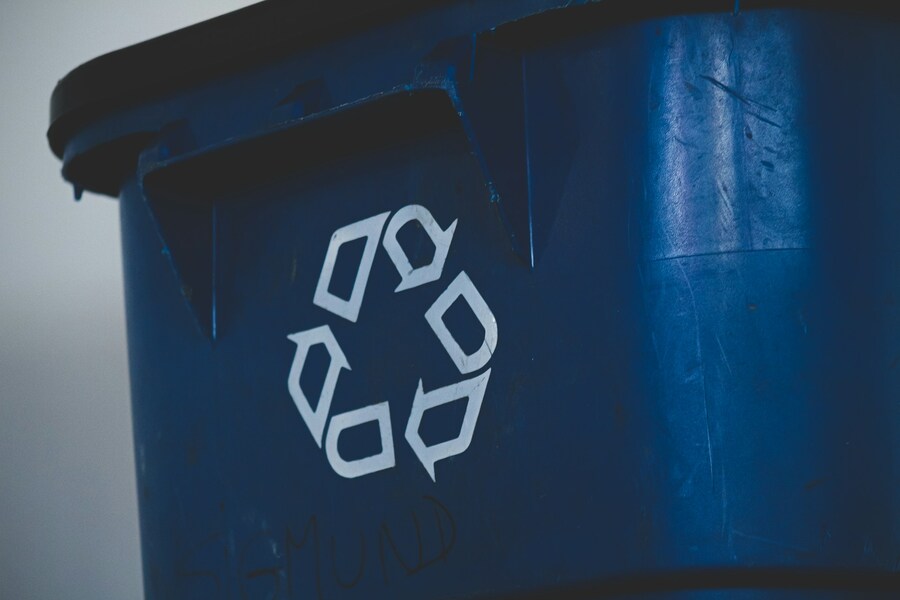
As airlines integrate natural fibers, they are also overhauling how they handle the waste that remains. The introduction of bamboo and cork allows for industrial composting programs that were previously impossible with petroleum-based plastics. Forward-thinking carriers are partnering with specialized waste-management firms to ensure that bamboo cutlery and compostable trays are separated at the gate and sent to facilities where they can be turned into nutrient-rich soil. This systemic change moves the industry away from a "take-make-waste" model and toward a regenerative one.
Moreover, the data-driven approach to catering is reducing the amount of physical material needed in the first place. By using predictive analytics to determine exactly how many meals are required for a specific route, airlines are cutting down on both food waste and the production of the bamboo containers that hold it. This precision, combined with the use of organic materials, represents a significant leap forward in operational sustainability that benefits both the airline's bottom line and the environment.
The role of technology in sourcing sustainable materials
The transition to bamboo and cork is supported by a high-tech supply chain that ensures these materials are ethically and sustainably sourced. Blockchain technology is increasingly used to track the origin of bamboo fibers from the forest to the aircraft galley, providing passengers with transparency regarding the footprint of their travel accessories. This verification process ensures that the "eco-friendly" label is backed by rigorous standards, preventing greenwashing and building trust with an increasingly skeptical public.
In addition, advancements in material science are allowing engineers to fuse cork and bamboo with bio-resins to create "smart" surfaces. These surfaces can be designed to be antimicrobial or self-healing, extending the life of cabin components and reducing the frequency of replacements. By merging ancient materials with cutting-edge science, the aviation industry is creating a new standard for durability that proves natural materials aren't just "alternatives" but are actually superior to the plastics they are replacing.
Strategic packing for the eco-conscious traveler
As airlines do their part, travelers are also adopting "hacks" to further reduce waste. One of the most effective strategies is the transition to solid toiletries. By carrying shampoo bars and solid toothpaste tablets, you eliminate the need for those tiny plastic "travel-sized" bottles that are notoriously difficult to recycle. In addition, many frequent flyers are now carrying their own "sustainable travel kit," which includes a collapsible silicone water bottle and a set of reusable bamboo utensils, just in case they find themselves on a carrier that hasn't yet made the full switch.
Another clever tip involves the "personal item" choice. Instead of a standard tote, many are opting for convertible backpacks made from recycled ocean plastics or hemp fibers. These bags are designed to maximize space and fit perfectly under the seat, reducing the need for checked luggage. Since heavier planes burn more fuel, packing light isn't just a matter of convenience; it's a legitimate environmental contribution. By choosing multi-functional gear and high-quality, long-lasting luggage, you ensure that your travel equipment doesn't end up in a landfill after just a few trips.
Navigating the logistics of departure
Efficiency starts before you even reach the gate. The modern traveler knows that a seamless journey involves more than just picking the right airline; it's about optimizing every step of the process. For those flying out of the Nevada region, choosing the right staging ground is key. Finding affordable and reliable RNO parking deals allows you to focus on your trip rather than the safety of your vehicle. Many travelers are finding that booking their RNO Airport parking in advance not only saves money but also reduces the stress of last-minute navigation, ensuring a smooth transition from the road to the runway. This kind of planning is a hallmark of the sophisticated, modern flyer who values both time and resources.
The bottom line

The transformation of the airline cabin from a plastic-heavy environment to one filled with bamboo, cork, and recycled textiles is more than a passing trend; it's a fundamental shift in how we perceive the act of travel. These changes reflect a deeper understanding that our desire to explore the world shouldn't come at the cost of the world itself. By supporting airlines that invest in these sustainable materials and adopting personal habits that reduce waste, we contribute to a culture of respect for the environment.
As we move forward, the "perks" of flying will increasingly be defined by the transparency of an airline's supply chain and the quality of the natural materials they use. The next time you hold a bamboo cup or rest your arm on a cork-lined panel, take a moment to appreciate the innovation involved. It's a small but significant sign that the aviation industry is finally learning to fly in harmony with nature, one bamboo stir stick at a time.


