

Southeast Asia is now a premier destination for retirees seeking tropical climates and a lifestyle that prioritizes wellness over rising Western costs. These "Grandparent" visas offer specialized residency permits, allowing individuals to stretch their pensions further in a region that deeply respects its elders. However, the regulatory landscape is shifting toward more structured requirements, emphasizing financial transparency and robust health security. Governments across the region have refined their programs to attract high-value residents who contribute significantly to the local economy while ensuring they don't become a burden on public systems. Navigating these diverse options – from 10-year residency permits to accessible annual extensions – is the first step in turning a dream into reality. This travel guide explores the latest retirement visa pathways across the region.
So, what are the most viable retirement visa options in Southeast Asia today?
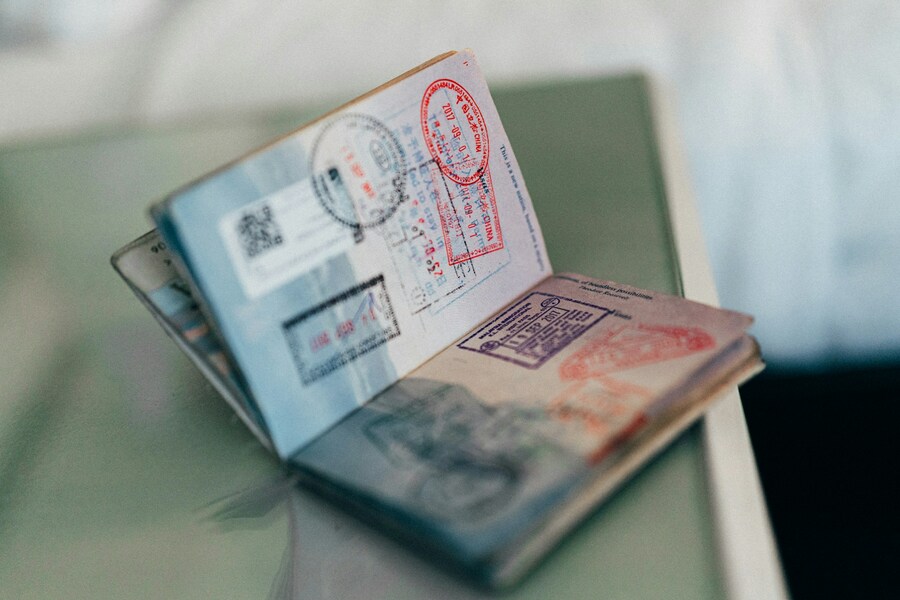
 Source: Z/Unsplash
Success in Southeast Asia depends on matching your age and finances to local laws. Destinations vary, offering options for wealthy investors or modest pensioners seeking tax perks and long-term residency.
Thailand: the multi-tiered approach to long-stay residency
Thailand remains the most iconic retirement destination in the region, offering a highly developed expat infrastructure and world-class healthcare. The Thai government currently maintains two primary paths for retirees, each catering to different levels of financial commitment. The most common route is the one-year retirement extension, typically initiated through a Non-Immigrant "O" or "O-A" visa. To qualify for this, applicants must be at least 50 years old and meet one of three financial tests: a deposit of 800,000 THB in a Thai bank account, a monthly income of at least 65,000 THB, or a combination of both that totals 800,000 THB annually. This path requires annual renewals and regular reporting to immigration, but it remains the most accessible option for the majority of retirees.
For those seeking more stability and fewer administrative hurdles, the Long-Term Resident (LTR) visa is a prestigious 10-year alternative. The "Wealthy Pensioner" category of the LTR is designed for high-net-worth individuals who want a permanent base without the "bureaucratic hamster wheel" of annual extensions. Requirements for this visa are more stringent, often demanding a stable annual passive income of at least $80,000. However, there's a more accessible "Option B" for those with an annual income of at least $40,000, provided they also hold at least $250,000 in Thai assets, such as government bonds or real estate. The LTR visa offers significant perks, including a 10-year validity period, fast-track service at international airports, and a simplified yearly reporting requirement instead of the standard 90-day check-in.
Malaysia: the shift toward premium residency
Malaysia's residency landscape has seen significant shifts, particularly regarding the famous
However, retirees who find the federal requirements too steep often look toward the East Malaysian state of Sarawak. The Sarawak-MM2H (S-MM2H) remains a hidden gem for many, as it operates under its own set of rules. For those aged 50 and above, the financial requirements are considerably lower, often requiring a fixed deposit of around $32,000 for individuals or proof of a monthly pension of roughly $1,500. This regional variation allows Malaysia to remain a competitive option for a broader range of retirees, providing the same high standard of living and English-language proficiency that makes the country so attractive to Westerners, but at a more accessible entry point.
The Philippines: indefinite stay and flexibility
The Philippines offers what many consider to be the most "retiree-friendly" visa in the world: the Special Resident Retiree's Visa (SRRV). Managed by the Philippine Retirement Authority (PRA), this visa grants holders the right to reside in the country indefinitely with multiple-entry privileges. One of its unique features is the "SRRV Smile" and "SRRV Classic" options. For those 50 and older, a simple deposit of $20,000 in an accredited bank is enough to secure residency. If you have a guaranteed monthly pension of $800 ($1,000 for couples), that deposit requirement drops to just $10,000.
What sets the Philippines apart isn't just the low financial threshold but the ability to convert your deposit into active investments, such as a long-term lease on a condominium. This "human touch" to the regulations makes it easier for retirees to integrate and build a life. Moreover, the Philippines provides significant tax exemptions on foreign-sourced pensions and annuities, as well as customs duties exemptions for importing personal household goods. For retirees who value a lack of "red tape" and a culture that's exceptionally welcoming to English speakers, the SRRV remains a top-tier choice that provides long-term peace of mind.
Source: Kit/Unsplash
Indonesia: the emergence of the Second Home Visa
Indonesia has recently modernized its approach to long-term residency with the introduction of the Second Home Visa. This program is aimed specifically at retirees and investors who wish to make Indonesia their primary residence for 5 or 10 years. Unlike the older retirement KITAS, which required a local sponsor and annual renewals, the Second Home Visa is based on a "proof of funds" model. Applicants must demonstrate a minimum balance of 2 billion IDR (approximately $130,000) in a personal bank account within Indonesia. This capital acts as a guarantee of the resident's ability to support themselves without seeking local employment.
While the financial bar is higher than in the Philippines or Thailand's standard routes, the Second Home Visa offers a much more streamlined path to permanent residency (KITAP) after the initial five-year period. It's an ideal fit for retirees who have a significant nest egg and wish to spend their golden years in locations like Bali or Lombok. The program also allows for the inclusion of dependents, making it a viable option for couples or families. However, it's important to note that this visa is strictly for residency; while you can manage your personal investments and businesses, you aren't permitted to take up local employment that competes with the Indonesian workforce.
The critical importance of health insurance and documentation
Regardless of which country you choose, two pillars of a successful application are health insurance and "seasoned" documentation. In recent years, Southeast Asian governments have become much more specific about the types of insurance they accept. Thailand, for example, often requires a policy that covers at least $50,000 or even $100,000 in medical expenses, with specific minimums for inpatient and outpatient care. It's no longer enough to have a general travel policy; you need a comprehensive expat plan that's recognized by local immigration authorities. Maintaining this insurance is usually a condition for every renewal, making it a fixed part of your annual retirement budget.
Documentation has also become more rigorous. Gone are the days of simple self-attested income letters. Most consulates now demand apostilled or notarized bank statements covering at least six months to a year. They look for "seasoned" funds – money that has sat in an account for a specific period – to ensure that the capital wasn't just borrowed for the application. Moreover, police clearance certificates from your home country are now standard across the board. Navigating this administrative landscape requires patience and a high level of organization, as a single missing document or an incorrectly formatted translation can set your application back by months.
Managing the logistics of a major relocation
The move to Southeast Asia is a significant logistical undertaking that begins long before you step off the plane in Bangkok or Manila. Preparing your life for a long-term absence involves everything from selling property to setting up international banking. One often overlooked aspect is the "final departure" from your home base. If you are flying out of a major hub like Des Moines for an international connection, ensuring your vehicle and home-side logistics are handled is vital. Finding reliable DSM Airport parking for those last few trips home or for family members visiting you abroad can alleviate a layer of stress. Utilizing competitive DSM parking deals allows you to manage these costs effectively, ensuring that your financial focus remains on your new life in the tropics. These domestic details are the small but essential threads that hold a complex international relocation together.
Transitioning to a new country also means adapting to a different financial ecosystem. Retirees should consider maintaining a "hub" account in a stable jurisdiction like the United States or Europe while using local accounts for daily expenses. This helps mitigate currency risk and ensures you have access to capital even if local banking regulations shift. In addition, many retirees find that hiring a professional visa agent is well worth the investment. These specialists stay abreast of the weekly changes in immigration policy and can often navigate local offices with a level of efficiency that a newcomer simply cannot match. Investing in professional help early on can prevent costly mistakes and ensure a smooth start to your retirement journey.
The bottom line

Source: LOGAN WEAVER/Unsplash
Retiring in Southeast Asia represents a sophisticated lifestyle choice, offering unparalleled opportunities for personal growth and adventure. Whether you are drawn to the bustling urban centers of Malaysia or the serene Philippine coastlines, modern "Grandparent" visas provide a secure legal framework for enjoying the fruits of your labor. While requirements are tightening, the quality of the regional retirement experience continues to improve through better infrastructure and clearer residency pathways. Success in this transition requires a balance of excitement and meticulous preparation, particularly regarding evolving income standards and health coverage. With the right strategy, this vibrant region serves as the perfect backdrop for a comfortable and fulfilling new chapter. We wish you a smooth transition and many joyful years of discovery in your new tropical home!


