

The landscape of remote work has shifted dramatically from a temporary trend to a cornerstone of the modern global economy. For many, the dream of trading a cubicle for a beachfront café in Portugal or a high-tech hub in Seoul is no longer a fantasy but a strategic career move. However, as the initial novelty of digital nomad visas wears off, host nations are beginning to refine their entry requirements to ensure that remote workers contribute meaningfully to local economies. This maturation of the market has led to a significant trend: the steady rise of income thresholds. Governments are increasingly indexing these requirements to national minimum wages or
This upward pressure on financial requirements is largely driven by "gentrification concerns" in popular digital nomad hubs. Local governments are under pressure to balance the influx of high-spending foreigners with the housing needs of their own citizens. Consequently, the "budget nomad" era is slowly being replaced by a more elite "remote residency" model that favors established professionals with stable, high-yield contracts. Understanding these nuanced shifts is essential for anyone looking to relocate their home office to a new time zone without facing a sudden visa rejection. This travel guide focuses on the critical air travel hacks and financial strategies needed to navigate the rising costs of global mobility.
So, what are the latest income shifts for digital nomad visas?
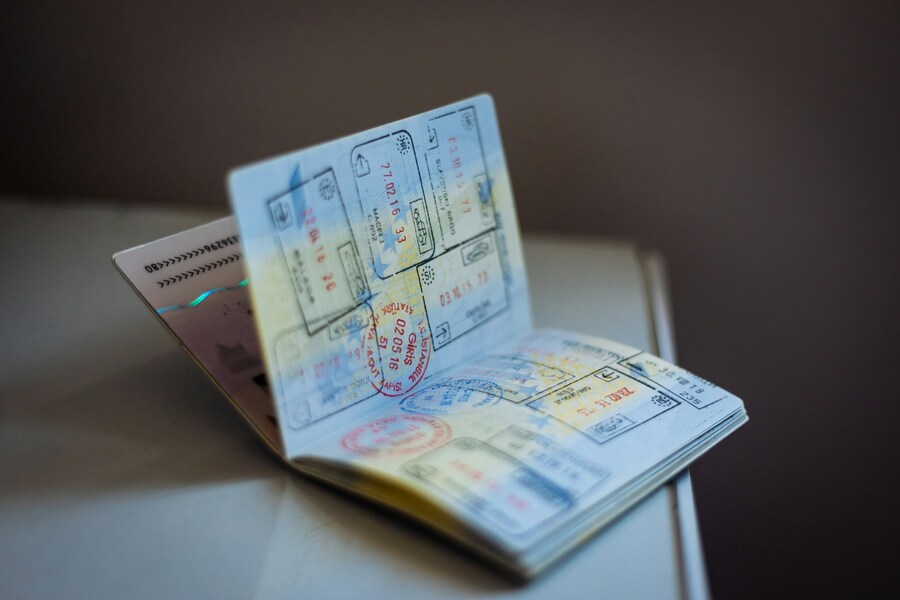 Source: Global Residence Index/Unsplash
The most critical factor for any remote professional planning a move abroad is understanding that financial requirements are rarely static. Many popular destinations have updated their numbers to reflect new economic realities. In Southern Europe, Spain has implemented a notable increase tied directly to the adjustment of its national minimum wage, known as the Salario Mínimo Interprofesional (SMI). Because the Spanish digital nomad visa requires applicants to demonstrate an income of at least 200% of the SMI, the monthly requirement has climbed to €2,849 for a single applicant. This mechanical link means that even if the visa policy itself hasn't changed, the financial barrier has moved, making it essential for applicants to check the most recent government decrees before submitting their paperwork.
Further east, South Korea remains one of the most exclusive destinations for remote professionals. Its "Workcation" visa targets high earners by requiring an annual income that doubles the country's GNI per capita from the previous year. For current applicants, this translates to a requirement of approximately $66,000 to $70,000 USD annually. Unlike some jurisdictions that allow for a mix of savings and salary, South Korean authorities prioritize consistent, high-level earnings from an employer or clients based outside the country. This trend toward high-income exclusivity is also mirrored in Japan, where the digital nomad visa requires a documented annual income of at least 10 million JPY. While these countries offer world-class infrastructure and safety, they are clearly positioning themselves as hubs for senior-level talent and established entrepreneurs rather than entry-level freelancers.
Strategic financial documentation in a stricter regulatory environment
As income floors rise, the scrutiny applied to financial documents has also intensified. It's no longer enough to simply show a high balance in a savings account on the day of your application. Immigration officers are increasingly looking for "clean" income – verifiable, recurring payments that prove the sustainability of your lifestyle. In Thailand, the Destination Thailand Visa (DTV) has become a popular five-year option, but it comes with a strict requirement to show at least 500,000 THB in personal savings. Crucially, embassies have begun rejecting "parked" funds – large sums moved into an account right before an application – demanding instead a history of three to six months of bank statements to prove the money is legitimately yours.
For those working as freelancers or business owners, the documentation burden is even higher. You may need to provide a combination of client contracts, tax returns, and corporate registration documents to verify that your income isn't only high enough but also sourced entirely from outside the host country. Many European nations, including Greece and Italy, now require "net" income figures after taxes, which can catch applicants off guard if they have only calculated their gross earnings. Ensuring that every pay stub and bank statement is translated and, in many cases, apostilled is now a mandatory step in the process.
The impact of dependents on financial eligibility
One of the most overlooked aspects of the new income hikes is the cumulative effect of bringing family members. Most digital nomad programs operate on a "plus-one" logic where the primary applicant must show an additional percentage of income for every dependent. In Spain, for example, adding a spouse requires an additional 75% of the SMI, and each subsequent family member adds another 25%. This means a family of four would need to demonstrate a monthly income exceeding €4,300 to qualify.
Thailand follows a similar path with its DTV, where the 500,000 THB requirement often applies per person. If a remote worker wishes to bring a spouse and a child, the total liquid assets required could soar to 1.5 million THB. This shift indicates that governments are moving away from the "solo nomad" model toward a "remote resident" model, favoring families who are likely to spend more on local housing, education, and services, provided they can prove they won't become a burden on the state's social safety net.

Source: Vladimir Solomianyi/Unsplash
Emerging markets and more accessible alternatives
While the "big name" destinations are raising their bars, a secondary tier of countries is maintaining more accessible thresholds to attract the talent that might be priced out of places like Japan or South Korea. Countries like Colombia and Brazil continue to offer digital nomad visas with income requirements that hover around $700 to $1,500 USD per month. These regions recognize that a lower barrier to entry can lead to a more diverse and vibrant expat community, which in turn drives local tourism and tech development.
In Europe, Hungary and Romania offer relatively straightforward paths for those who find the Spanish or Greek requirements too steep. These programs often focus more on the legitimacy of the remote work contract than the total dollar amount, provided it covers the local cost of living comfortably. However, even these nations are watching their neighbors closely, and it's highly likely that they'll follow suit with their own adjustments as their local economies grow and inflation impacts the regional cost of goods and services.
Preparing for the logistics of a remote move
Beyond the visa application itself, the logistical challenges of moving as a digital nomad have evolved. Many countries that offer these visas don't grant full residency rights, meaning you might not receive a local ID card. This can make simple tasks like opening a bank account, signing a long-term apartment lease, or getting a local SIM card surprisingly difficult. In Japan, for instance, the six-month nomad visa doesn't come with a residence card, which essentially keeps the holder in a "long-term tourist" status. This requires nomads to rely heavily on international banking solutions and short-term rental platforms, which can be significantly more expensive than local options.
Travelers must also account for the hidden costs of compliance. Private health insurance is a non-negotiable requirement for almost every digital nomad visa, and the level of coverage required has increased. Many consulates now demand zero-deductible policies with high coverage limits for repatriation and hospitalization. When you add the costs of visa fees, professional translations, and the occasional need for an immigration lawyer to navigate complex local bureaucracies, the "startup cost" of moving to a new country can easily reach several thousand dollars before you even book your flight.
Integrating travel logistics into your transition
Successful digital nomads understand that the journey begins long before they clear customs in their new home. Managing the transition involves balancing work deadlines with the physical demands of international relocation. This includes everything from ensuring your tech stack is portable and reliable to coordinating the departure from your current base. Small details often make the biggest difference in reducing stress during this period. For those departing from major hubs, securing reliable services for the initial leg of the trip is essential. If you are flying out of the Midwest, for instance, finding a secure spot for your vehicle can save you from a major headache upon your eventual return. Utilizing IND parking deals or booking IND Airport parking in advance ensures that your car is monitored and safe while you are halfway across the world establishing your new remote office. These small, practical choices allow you to focus your energy on the more complex tasks of navigating foreign immigration laws and setting up your new life.
Conclusion

Source: Scott Graham/Unsplash
The era of the "easy" digital nomad visa is transitioning into a more regulated and financially demanding reality. Governments have recognized the value of the remote workforce, but they are also becoming more sophisticated in how they vet and integrate these residents. Rising income requirements are a sign that the global competition for high-value talent is heating up. To stay ahead, remote workers must view their nomadic lifestyle not just as a series of trips, but as a professional relocation that requires rigorous financial health and meticulous documentation.
Ultimately, while the bar is higher, the rewards remain as compelling as ever. Living in a culture that inspires you, surrounded by new landscapes and opportunities, provides a level of professional and personal growth that a standard office job simply cannot match. By staying informed about the shifting income thresholds and preparing for the increased scrutiny of immigration authorities, you can ensure that your transition to a location-independent life is as smooth and sustainable as possible. The world is still open, but the key to unlocking its doors now lies in a well-documented bank statement and a stable, high-earning remote career.


