

The concept of travel has shifted from sightseeing to soul-searching through a phenomenon known as sleep tourism. Instead of returning home exhausted, modern travelers now seek environments specifically designed to facilitate deep, restorative rest. At the heart of this movement is the smart bed – a technological marvel utilizing biometrics, temperature control, and adaptive ergonomics to optimize circadian rhythms. As burnout becomes a global companion, luxury hospitality is pivoting toward sleep-centric suites that prioritize mattress quality over traditional amenities like mini-bars or views. This evolution addresses the physiological toll of air travel and jet lag, offering a data-driven solution to travel fatigue. However, the question remains: is this high-tech engineering a genuine breakthrough for human rest or merely a well-marketed luxury?
So, is the investment in high-tech sleep environments the future of restful travel?
 Source: iam_os/Unsplash
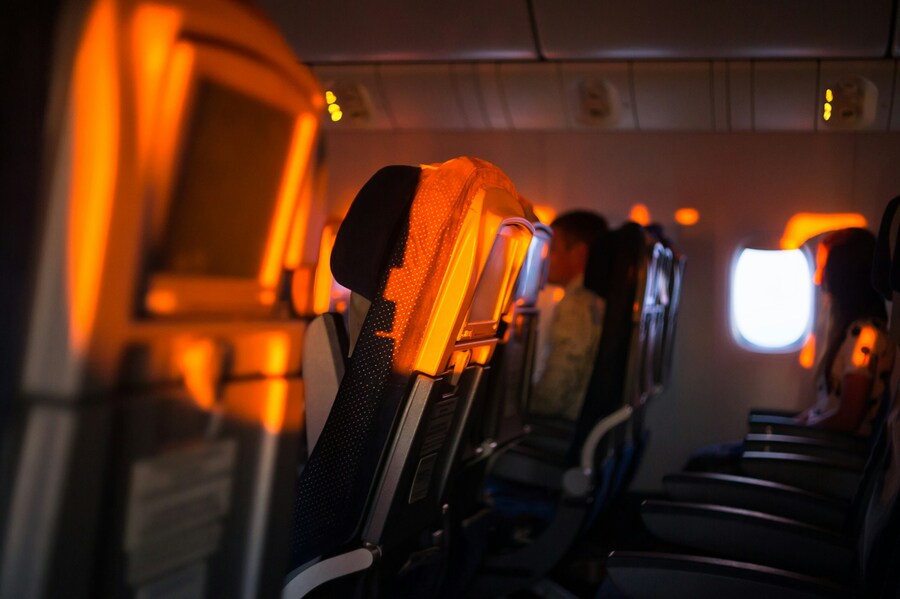
Smart beds address travel-induced circadian misalignment by using sensors to monitor biometrics. Unlike analog blackout curtains, this tech proactively optimizes the sleep environment, countering the physiological stress of crossing time zones.
The engineering of a perfect night's rest
The core appeal of the smart bed lies in its ability to adapt to the user rather than forcing the user to adapt to it. Most high-end smart beds utilized in the hospitality sector today feature dual-zone temperature control. This is perhaps the most significant advancement in sleep technology, as core body temperature plays a vital role in the transition between sleep stages. By cooling the mattress during the initial onset of sleep and subtly warming it toward the morning, these beds mimic the natural thermal fluctuations of the human body. For a traveler who has just stepped off a pressurized cabin where the air is dry and the temperature is inconsistent, this level of thermal regulation can be the difference between a restless night and a transformative one.
Beyond temperature, the integration of biometric feedback allows these beds to make physical adjustments. If a traveler is a side sleeper, the mattress can detect the pressure points on the hips and shoulders, softening those specific zones to maintain spinal alignment. If the sensors detect snoring – a common occurrence after the dry air of a flight – the bed can gently elevate the head of the mattress to open up the airways without waking the sleeper. This level of responsiveness is something a static mattress simply cannot provide, and for those who suffer from chronic back pain or respiratory issues during travel, the value of this technology becomes immediately apparent.
Psychological comfort and the placebo effect
We must also consider the psychological aspect of sleep tourism. There's a certain "nesting" instinct that occurs when we travel. Entering a room that has been marketed as a sanctuary for sleep creates a powerful psychological suggestion. When a guest sees a high-tech bed, an air purification system, and a curated lighting scheme designed to promote melatonin production, their brain begins to prime itself for rest. This isn't to say the technology is a gimmick, but rather that the environment works in tandem with the hardware to lower cortisol levels. The feeling of being cared for at a biological level is a potent antidote to the stress of modern air travel.
The skeptics, of course, argue that the data provided by these beds can sometimes lead to "orthosomnia" – a preoccupation with achieving perfect sleep data that actually results in more anxiety and less rest. This is a valid concern for the casual traveler. However, for the sleep tourist, the data is a tool for long-term health. By seeing how their body reacts to different environments, they can carry those insights back to their home life, making the "sleep vacation" an educational experience rather than just a temporary fix.
Integrating sleep tech into the travel logistics
The journey toward a perfect night's sleep starts long before one checks into a hotel. For many travelers, the anxiety of the journey begins at the airport. Navigating security, managing luggage, and worrying about the safety of one's vehicle can spike stress levels before the flight even takes off. Smart travelers have learned that the key to a restful trip is removing as many friction points as possible from the logistical chain. This includes choosing flights with better cabin humidity, utilizing noise-canceling technology, and ensuring that the arrival process is as seamless as possible.
When traveling through major hubs, particularly those in warmer climates or busy metropolitan areas, the logistical burden can be significant. For instance, those flying out of the South Florida region often find that their trip starts much smoother when they have their ground transportation and vehicle storage sorted in advance. Having a reliable plan for your car allows you to enter the airport with a clearer mind, which is the first step toward maintaining a low-stress state for the duration of the flight. If you are flying out of West Palm Beach, finding reputable PBI parking deals can save both money and the mental energy required to scout for a spot on the day of departure. Using a dedicated service for PBI Airport parking ensures that your vehicle is secure while you are focusing on your wellness and sleep goals abroad, allowing you to fully commit to the relaxation of your destination without the nagging worry of logistical loose ends back home.
Source: Aleksei Zaitcev/Unsplash
The economic reality of luxury sleep
One cannot discuss sleep tourism without addressing the cost. These smart beds and the suites that house them come with a premium price tag. For the average traveler, the question is whether the marginal gain in sleep quality justifies the significant increase in room rate. If a standard room is half the price of a "sleep suite," is the smart bed truly twice as good? The answer often depends on the purpose of the trip. For a business traveler who needs to be at their cognitive peak for a high-stakes meeting the next morning, the investment in a smart bed is an investment in their professional performance. In this context, the cost is easily justified by the potential ROI of a successful outcome.
For the leisure traveler, the value proposition is slightly different. Sleep tourism is part of a broader shift toward "slow travel," where the goal isn't to see as many sights as possible but to return home feeling genuinely refreshed. If the primary objective of a vacation is recovery, then the bed becomes the most important piece of equipment in the entire itinerary. In this light, the smart bed isn't an "extra" – it's the destination itself.
Environmental factors and the future of the sleep suite
While the bed is the centerpiece, the future of sleep tourism involves a holistic approach to the entire room. We are seeing the emergence of "circadian lighting," which shifts from blue-rich light in the morning to warm, amber tones in the evening to naturally regulate the body's clock. Air filtration systems that remove allergens and maintain optimal humidity are also becoming standard in these high-end suites. Some hotels are even experimenting with "scent-scaping," using diffused essential oils like lavender or cedarwood that are clinically proven to lower heart rates.
The integration of these elements creates a "sleep cocoon" that protects the traveler from the chaotic variables of the outside world. As technology continues to evolve, we can expect these systems to become more interconnected. Imagine a scenario where your wearable fitness tracker syncs with your hotel room before you even arrive, adjusting the room temperature and mattress firmness based on your activity levels and sleep patterns over the previous three days. This level of hyper-personalization is the next frontier of the hospitality industry.
The role of air travel hacks in preserving sleep
No matter how advanced the hotel bed is, it cannot fully undo the damage of a poorly managed flight. To truly benefit from sleep tourism, one must employ air travel hacks that prioritize physical well-being. This includes staying hydrated, avoiding caffeine and alcohol during the flight, and using compression socks to maintain circulation. Many travelers also find success in "shifting" their schedule several days before departure, gradually moving their sleep and meal times to align with their destination. When combined with the technology of a smart bed, these manual hacks create a comprehensive strategy for overcoming the physiological hurdles of distance.
The synergy between pre-flight preparation and post-flight recovery is what defines the successful modern traveler. By viewing the entire journey as a process of energy management, we can move away from the "crash and burn" cycle of traditional tourism. The smart bed is simply the most advanced tool we have in this process, providing a level of data-driven recovery that was previously impossible.
The bottom line

Source: Pavel Neznanov/Unsplash
Ultimately, the rise of sleep tourism and the proliferation of smart beds reflect a growing cultural realization that rest isn't a passive state, but an active requirement for a healthy life. While the technology may seem like a high-priced luxury today, it's setting a new standard for the hospitality industry that will eventually trickle down to more accessible levels. The hype surrounding smart beds is largely justified because it addresses a fundamental human need that has been ignored by the travel industry for decades. By focusing on the science of rest, we are reclaiming our time away from home and turning vacations into true periods of rejuvenation.
Whether you are a frequent flier looking to maintain your edge or a leisure traveler in desperate need of a reset, the shift toward sleep-centric travel offers a promising path forward. As we move further into this era of wellness, the quality of our sleep will continue to be the primary metric by which we judge a successful trip. The smart bed is more than just a piece of furniture; it's a gateway to a more mindful and restorative way of exploring the world.


