

This month, observers can enjoy a slender crescent moon alongside a brilliant Venus and witness the majestic return of the Milky Way's vibrant galactic center.
So, are you ready to discover the best cosmic events lighting up the May sky?
 Source: Justin Wolff/Unsplash
With warming temperatures and a packed calendar of celestial events, May is an ideal time to grab a jacket and head outdoors to explore the night sky.
While your own backyard offers a convenient view, those who journey to dedicated dark-sky preserves – ranging from secluded wilderness resorts to massive national parks – will be rewarded with the most breathtaking vistas. This month officially launches "Milky Way Season," highlighted by iconic gatherings, such as the
Here are the top skywatching highlights for May, including the best times to look up and what to keep an eye out for throughout the month.
1. The 'Flower Moon'
May begins with a unique lunar event as the first of two full moons reaches peak illumination on May 1. Traditionally known as the "Flower Moon" due to the abundant spring blossoms in the Northern Hemisphere, it also carries names like the "Frog Moon" or "Leaf Budding Moon" from various North American indigenous cultures. This particular moon is a "micromoon," occurring when the lunar orbit is at its farthest point from Earth, making it appear slightly smaller than usual. Despite the reduced scale, it'll still provide a stunning sight as it crests the eastern horizon just after sunset.
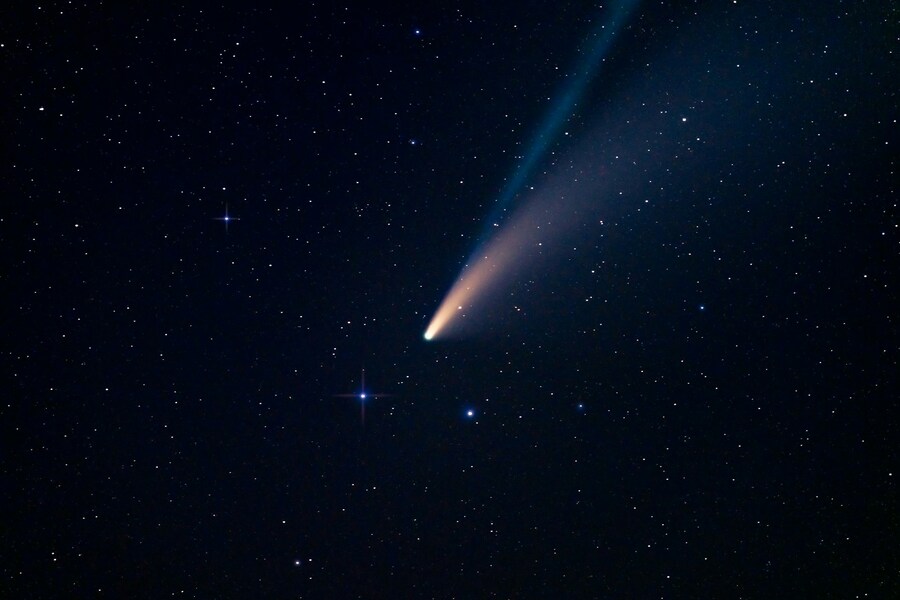
2. Southern skies glimpse Comet PANSTARRS
After months of favoring Northern observers, Comet PANSTARRS finally offers a spectacular show for the Southern Hemisphere. On the evening of May 5, skywatchers south of the equator will have a prime opportunity to see the comet as it retreats back into the depths of space. To catch a glimpse, look toward the west-southwest about 45 minutes after the sun goes down. This window provides enough darkness to view the comet's glow before the rising moon brightens the sky later in the night.
3. Peak of the Eta Aquariids meteor shower
The Eta Aquariids meteor shower, created by debris from the famous Halley's Comet, reaches its peak during the night of May 5 into May 6. While this shower is most vibrant in the Southern Hemisphere – where the radiant point in the constellation Aquarius sits higher in the sky – Northern observers can still spot meteors in the quiet hours before dawn. Although a bright gibbous moon may obscure some of the fainter streaks this year, persistent viewers can still catch the brightest fireballs. If you are traveling to a better viewing latitude, checking SNA parking deals is a smart way to save on travel costs before you head to the airport.
Source: Kym MacKinnon/Unsplash
4. The return of the Milky Way galactic core
By mid-to-late May, astrophotographers and casual observers can celebrate the return of the Milky Way's galactic core. During the week of the new moon on May 16, the sky will be dark enough to reveal the "Great Rift," a dense band of dust and stars stretching upward from the southeast. In areas free from light pollution, this glowing celestial bridge is unmistakable and serves as the unofficial start to the summer stargazing season.
5. Darkness for the 'new supermoon'
On May 16, a "new supermoon" occurs when the moon is at its closest point to Earth while remaining invisible to the naked eye. Because the moon is positioned between the Earth and the sun, the nights surrounding this date will be perfectly dark. This creates an excellent opportunity to hunt for the Hercules Globular Cluster (M13). Using binoculars, look between the bright stars Vega and Arcturus to find what looks like a fuzzy, concentrated ball of light containing hundreds of thousands of stars. For more travel tips and resources for your next astronomical adventure, you can visit AirportParking.deals.
6. Venus pairs with the crescent moon
Shortly after the new moon, on May 18, a beautiful celestial alignment occurs in the western sky. Roughly 45 minutes after sunset, a thin crescent moon will appear very close to Venus, the "evening star." Venus will be positioned just to the lower right of the moon's silver sliver. To see this pairing clearly, find a location with an unobstructed view of the west-northwest horizon. The duo will be visible until approximately 10:15 p.m. before they finally set.
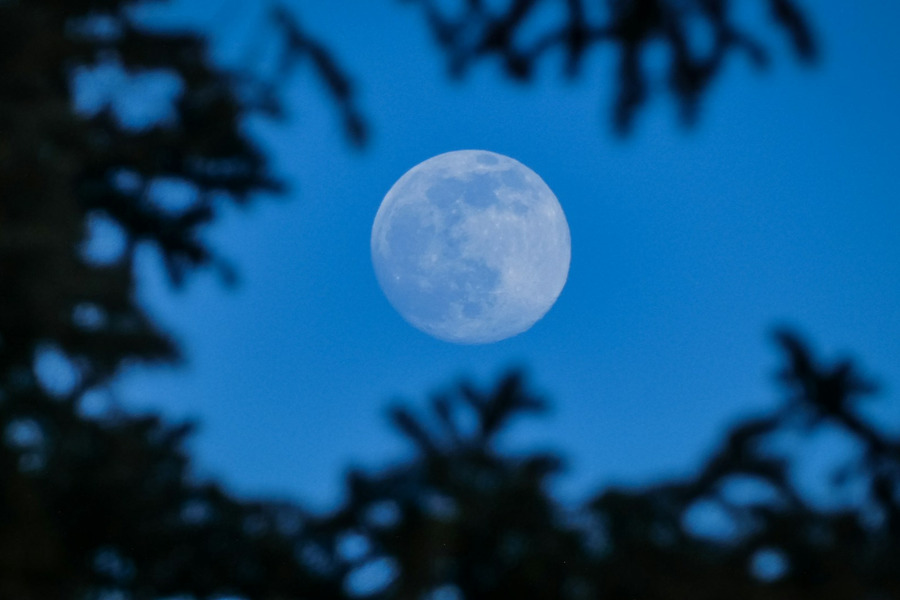
7. The final rare 'Blue Moon' micromoon
The month concludes on May 31 with a rare "Blue Moon," which is the designation for the second full moon occurring within a single calendar month. This specific moon is also a micromoon, reaching its furthest point from Earth (apogee) almost exactly as it turns full. While it may appear about 14% smaller and 30% dimmer than the large supermoons expected later in the year, its rare timing makes it a fascinating conclusion to a busy month of astronomical discovery. Watching this small, pale orb rise in the east is a poetic way to end the spring season.


