

The act of moving from one geographic location to another has undergone a radical metamorphosis over the last century. Today, a savvy traveler can open a smartphone, book a transcontinental flight, reserve a rental vehicle, and secure a guaranteed space in a premier airport parking lot within a matter of minutes. This frictionless modern reality stands in stark contrast to the grueling, highly exclusive logistics that characterized the dawn of modern travel. Understanding this evolutionary trajectory is not merely an academic exercise; it provides essential context for navigating the complex logistical landscapes of contemporary global transit, helping modern passengers optimize every segment of their journey from departure to return.
The Evolution of Modern Infrastructure Tracking a Century of Global Travel Innovation
1900s
At the turn of the twentieth century, travel was defined by its exceptionally slow pace and stark socioeconomic divisions. In the 1900s, local transportation relied heavily on horse-drawn carriages for both passenger movement and cargo distribution, while long-distance overland journeys were the exclusive domain of sprawling railroad networks. Leisure travel during this era was a luxury reserved almost entirely for the ultra-wealthy elite, who possessed both the substantial disposable income and the expansive time required to endure multi-day transits. Regional infrastructure was fragmented, meaning that even short trips outside of urban centers required careful, manual coordination, a mountain of physical paperwork, and a high tolerance for logistical discomfort.
1910s
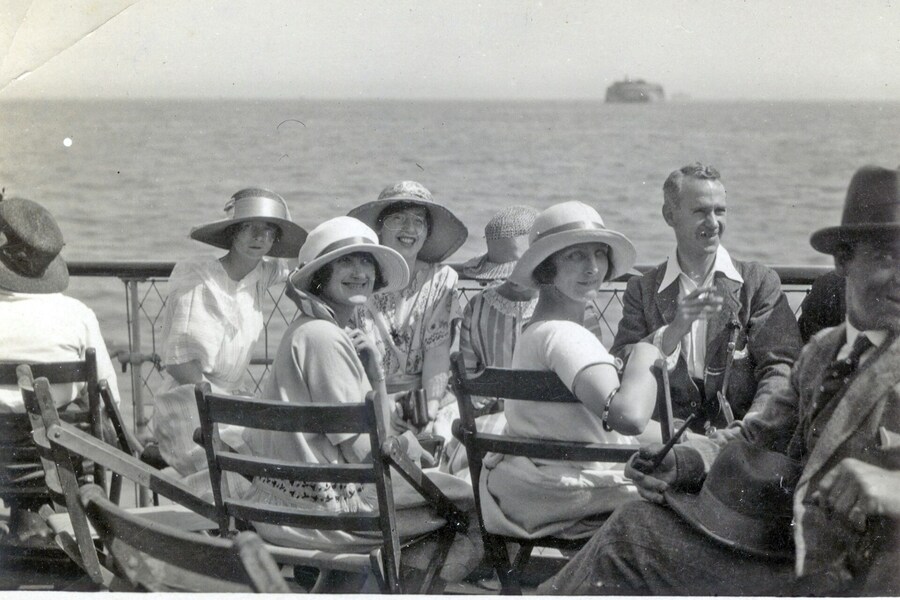
Source: Brett Jordan/Unsplash
By the 1910s, cross-continental and transatlantic travel saw a massive surge in popularity, driven by the golden era of massive ocean liners. Sailing via steamship represented the singular, non-negotiable method for traversing the Atlantic to reach Europe from the Americas. The construction of massive vessels during this decade, such as the Olympic-class ocean liners, marked the absolute pinnacle of human engineering and travel luxury. These floating palaces were meticulously designed to offer unprecedented comfort to high-paying passengers, though the tragic sinking of the Titanic on its maiden voyage in 1912 served as a stark reminder of the safety and communication limitations inherent in early twentieth-century maritime transit. This event permanently reshaped global maritime law and prompted the first major international agreements regarding safety standards at sea.
1920s
The 1920s introduced a profound cultural shift, infusing the concept of travel with an aura of romance, speed, and widespread excitement. Following the rapid expansion of rail infrastructure during World War I, citizens were actively encouraged to utilize trains to visit domestic resorts and newly expanding national landmarks. More importantly, the economic prosperity of the Roaring Twenties allowed middle-class families to acquire individual automobiles, like the iconic Model T, for the very first time. This democratization of individual mobility fundamentally altered how people spent their leisure time and gave birth to the early iterations of the holiday road trip. Simultaneously, European luxury rail travel reached its aesthetic peak, building upon the design glamour of La Belle Époque and expanding the availability of private, high-end sleeper cars to a broader segment of the global public.
1930s
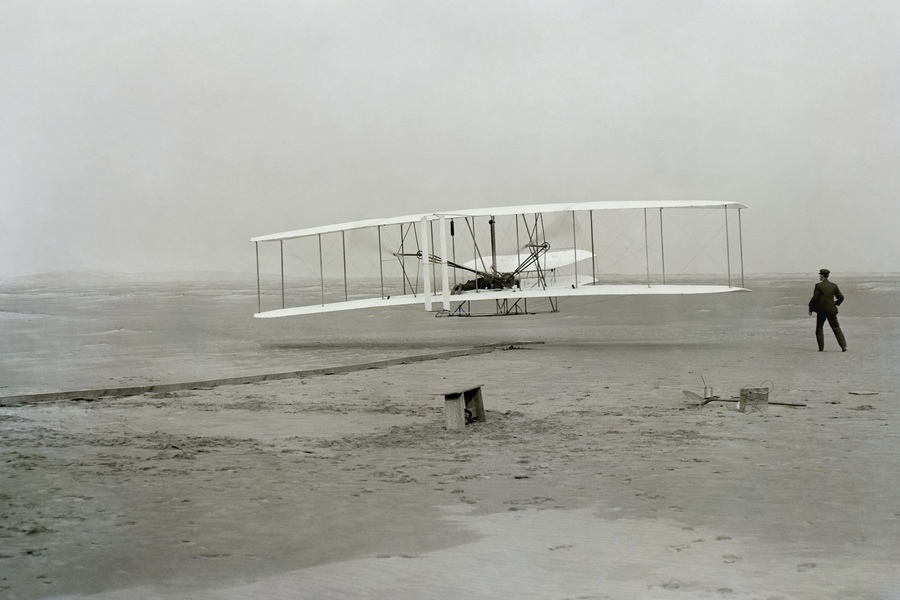 Source: History in HD/Unsplash
While the Wright brothers successfully executed the first powered flight in 1903 and primitive commercial aviation emerged in the 1920s, early flight remained an unappealing, terrifying prospect for the average citizen. It was a loud, cramped, and turbulent experience, utilized almost exclusively by military personnel, government couriers, and the wealthiest members of society. The 1930s changed this paradigm entirely, introducing structural and aerodynamic innovations that laid the definitive groundwork for the modern commercial aviation sector.
The mid-1930s witnessed the debut of the Douglas DC-3, a revolutionary aircraft that completely transformed the economic viability of commercial airlines. The DC-3 was larger, significantly faster, and vastly more comfortable than its predecessors. For the first time, major legacy carriers could operate profitable passenger services without relying solely on government mail contracts to stay afloat. Flight cabins were completely redesigned with plush, living-room-style furniture, and structural advancements allowed planes to fly at higher, smoother altitudes. By 1939, scheduled transatlantic passenger flights initiated a new era, proving that long-distance aviation was the undisputed future of global connectivity.
1940s & 1950s
The 1940s and 1950s catalyzed the true heyday of the American road trip. Post-war industrial manufacturing pivoted rapidly toward consumer goods, producing automobiles that were larger, more powerful, and equipped with advanced engineering like automatic transmissions, power steering, and improved suspension systems. As family station wagons and sleek convertibles became permanent staples of the suburban lifestyle, the demand for reliable, standardized driving infrastructure reached a critical mass.
President Dwight D. Eisenhower addressed this monumental need in the 1950s by signing the Federal Aid Highway Act, establishing the Interstate Highway System. Prior to this massive infrastructure project, transcontinental drivers relied on fragmented, frequently unpaved routes like the original Lincoln Highway. The new interstate system provided smooth, high-speed, uncompromised corridors across the nation, making long-distance driving safe, predictable, and highly efficient. This automotive boom also spurred the creation of roadside motels, diners, and drive-in culture, forever altering the geography of travel.
1960s
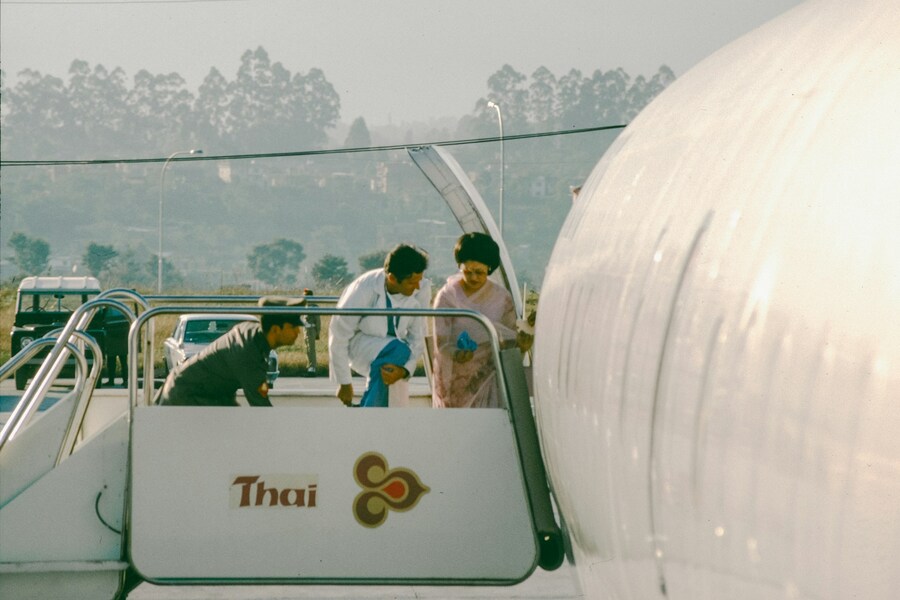
Source: Annie Spratt/Unsplash
As vehicular travel dominated the domestic landscape, the 1960s pushed the boundaries of international aviation into supersonic territory. Jointly developed by France and Great Britain, the Concorde project aimed to slash transatlantic flight times in half by flying at twice the speed of sound. The Concorde made its maiden flight in 1969, representing an era of boundless technological optimism and premium luxury. However, the realities of high operational costs, massive fuel consumption, and severe international restrictions due to sonic boom noise pollution ultimately limited its commercial viability. Only a handful of these supersonic jets ever entered active service, and while they were eventually retired decades later, the era solidified a permanent consumer expectation for rapid, long-haul connectivity and high-flying prestige.
1970s
By the 1970s, the travel industry was forced to adapt to a rapidly growing population that viewed global and domestic mobility as a right rather than a rare privilege. To streamline domestic rail transit and counter the financial decline of private passenger rail lines, Amtrak was officially incorporated in 1971. Initially serving 43 states with 21 distinct routes, Amtrak focused on standardizing and modernizing the rail experience across North America. By the end of the decade, the introduction of double-decker Superliner cars equipped with private sleeping compartments and full-service dining lounges successfully restored long-distance train travel as a viable, scenic, and deeply comfortable alternative to highway driving for millions of annual passengers.
1980s
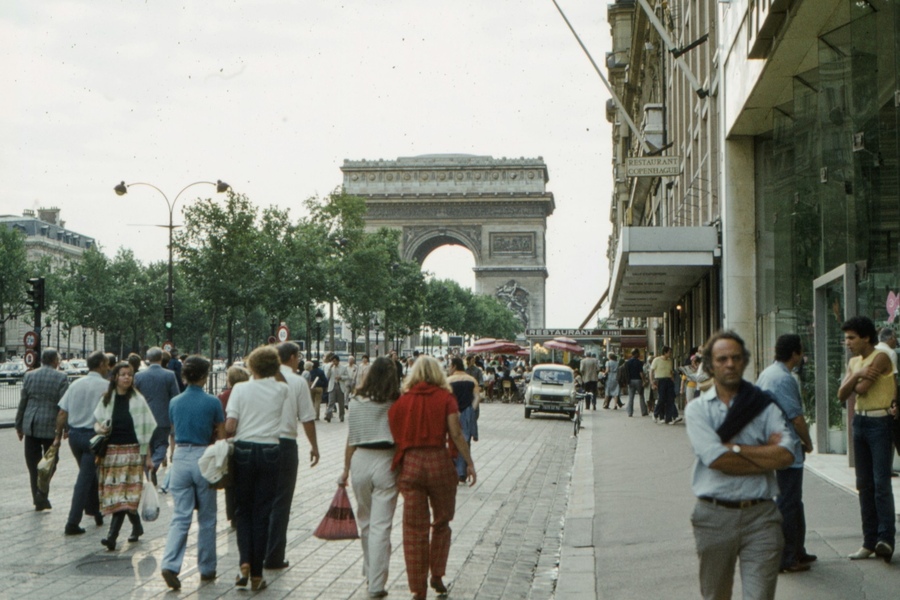
Source: Annie Spratt/Unsplash
The 1980s marked the definitive transition of air travel from an occasional luxury to an everyday commodity for the global public. Following the landmark Airline Deregulation Act of 1978, commercial carriers were finally free to set their own competitive routes and fares, sparking intense market competition. Ticket prices plummeted, hub-and-spoke systems were optimized for maximum volume, and wide-body aircraft became the standard workhorses of global fleets. Jetsetting was no longer a term reserved exclusively for high society; the long-haul flight became the default mode of transportation for business professionals, students, vacationing families, and international backpackers alike, forever shifting the scale of airport operations.
1990s & 2000s
As the twentieth century drew to a close, environmental awareness, digital technology, and technical refinement shaped the next major wave of travel innovation. The late 1990s introduced the mass production of hybrid gas-electric vehicles, exemplified by the global rollout of the Toyota Prius. This development fundamentally altered commuter habits and road trip logistics, proving that fuel efficiency didn't require a sacrifice in vehicle reliability or distance capability. This decade-spanning trend paved the direct path for the electric and autonomous vehicles navigating today's roadways. Simultaneously, the early 2000s saw the birth of online travel agencies and digital ticketing, allowing passengers to bypass traditional travel agents and take control of their own itineraries from home computers.
2010s

Source: Dan Gold/Unsplash
The 2010s witnessed the absolute convergence of travel logistics and digital technology. On one end of the spectrum, commercial aviation reached unprecedented levels of interior luxury. Airlines rolled out private, fully enclosed business-class suites, while boutique, all-business-class carriers redefined premium transatlantic service. These innovations demonstrated that high-end travelers could experience the exclusivity of a private jet within the framework of a commercial schedule. Simultaneously, the widespread adoption of smartphones completely decentralized travel planning. Apps entirely replaced physical paper ticketing, rideshare platforms disrupted traditional airport taxi lines, and cloud-based booking systems gave consumers instant access to real-time data regarding flight paths, delays, and hotel availability.
2020s
Moving fully into the 2020s, the frontiers of transit have expanded even further. Aerospace firms are actively executing commercial space flights and high-altitude stratospheric balloon voyages, signaling that the next phase of human travel lies far beyond the atmosphere. Back on Earth, the modern traveler relies on sophisticated ecosystems powered by predictive algorithms, artificial intelligence, and automated reservations. From automated biometric customs gates to instant digital vehicle management, the modern era has turned the focus inward, optimizing existing transport frameworks to make global movement as fluid, predictable, and hyper-efficient as possible.
Strategic Off-Site Parking as the Foundation of Smarter Travel

Source: Zhen Yao/Unsplash
While modern aviation excels in speed, navigating terminal bottlenecks like crowded security lines and chaotic access roads requires tactical planning. The most frequently overlooked logistical hurdle is the first and last mile of the journey: airport parking. Relying on terminal garages on your departure day exposes you to unpredictable congestion, sudden closures, and exorbitant pricing models that add unnecessary stress to an otherwise optimized itinerary.
To secure absolute predictability and financial efficiency, seasoned travelers bypass terminal chaos by reserving off-site parking spaces in advance. Booking through a specialized digital platform allows you to unlock exclusive parking discounts and premium airport parking offers while securing direct, continuous shuttle service to the terminal curbside. Integrating this step into your early workflow via our reservation system eliminates the frantic pre-flight scramble, ensuring a seamless transition from the driver's seat to the gate.
The Final Word

Source: Spencer Gu/Unsplash
The historical evolution of travel highlights a clear, undeniable trajectory toward personalization, efficiency, and accessibility. Over the course of a single century, humanity has traded the slow uncertainty of steamships and horse-drawn carriages for the swift, data-driven convenience of modern aviation networks. By understanding the tools and infrastructure available in the contemporary landscape, you can eliminate the modern stress points that threaten to disrupt your itinerary.
Don't let the final mile of your preparation compromise the speed and convenience of modern aviation. Visit AirportParking.deals today to explore the best available parking options, reserve your guaranteed space via our reservation system, and ensure your next journey begins with absolute peace of mind.


