

The modern airport experience is often a high-stakes balancing act between personal comfort and the rigid geometry of airline regulations. For the seasoned traveler, the terminal is no longer just a transit point; it's a tactical environment where every square inch of luggage space is precious. As airlines have tightened their grip on cabin baggage dimensions and weight allowances, the traditional joy of browsing the duty-free aisles has, for many, been replaced by a looming sense of logistical dread. How does one justify that exquisite bottle of rare single malt or a luxury skincare set when the overhead bin is already at its breaking point? The fear of a forced gate-check or a steep "oversized" fee is enough to make even the most dedicated shopper walk past the neon glow of the retail concourse without a second glance.
However, a shift in airport commerce and logistics has quietly introduced a sophisticated workaround that allows travelers to shop without the physical burden of carrying their finds through the terminal. The rise of duty-free locker systems and advanced "reserve and collect" programs has redefined the relationship between retail therapy and the "one-bag" rule. By moving the point of possession from the shop floor to a secured pickup point near the boarding gate – or even upon return – travelers are discovering a loophole that maintains their mobility while satisfying their desire for tax-free goods. This travel guide explores the mechanics of these systems and how they serve as the ultimate hack for bypassing the increasingly suffocating constraints of carry-on limits.
So, is it possible to shop duty-free without sacrificing your carry-on space?
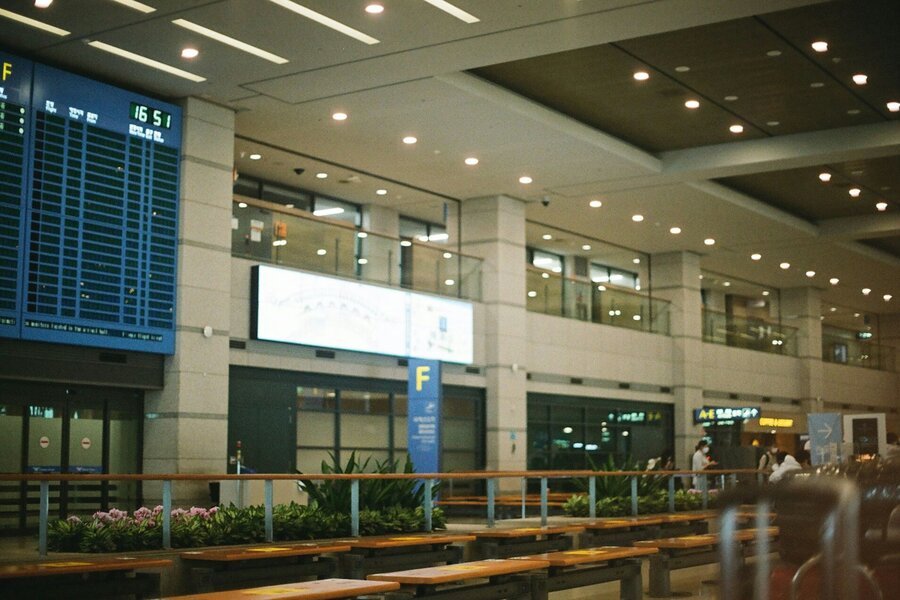 Source: hannah park/Unsplash
The short answer is a resounding yes, but the execution requires a blend of digital foresight and an understanding of international aviation "baggage etiquette." Most major airlines, including the global giants and the more restrictive low-cost carriers, generally don't count a single bag of duty-free goods against your standard carry-on allowance. This is a critical distinction that many travelers overlook. Regulatory bodies and airline policies often categorize airport purchases made after the security checkpoint as "ancillary items," similar to a jacket or an umbrella. This means that if you walk onto a plane with a regulated roller bag and a personal item, you can typically carry a third bag – the duty-free shopping bag – without incurring a penalty.
The real innovation, however, lies in how you acquire these items. The traditional method involves wandering through the store, clutching a basket, and then lugging those items to your gate. The "locker" hack utilizes the infrastructure of pre-ordering and designated collection points. By using an airport's digital platform to reserve items days in advance, you ensure that your goods are waiting for you in a streamlined, tamper-evident bag at a strategic location. In many tech-forward hubs, these collection points are now automated lockers located right next to the boarding zones. This eliminates the need to navigate the crowded main retail floor and, more importantly, ensures that the items are packed in the most compact, airline-approved manner possible before you even touch them.
Maximizing the reserve and collect strategy
To truly master this hack, one must embrace the "Reserve and Collect" model. This isn't just about convenience; it's about financial and spatial efficiency. When you browse an airport's duty-free inventory online, you often gain access to "web-exclusive" pricing that's significantly lower than the shelf price in the physical store. Moreover, by selecting your items in a digital environment, you can accurately gauge the dimensions of what you are buying.
Many duty-free operators now provide the "locker pickup" service as a way to reduce congestion in their main storefronts. Once you complete your online transaction, you receive a digital QR code or a PIN. Upon arriving at the airport and clearing security, you simply head to the locker bank. The beauty of this system is that it allows you to keep your hands free for the majority of your time in the terminal. You aren't "carrying" your duty-free items; they are essentially in a state of digital limbo until the moments before you board. This prevents the physical fatigue of hauling extra weight and protects your purchases from the bumps and scrapes of a crowded terminal.
The return-trip pickup: the ultimate space saver
Perhaps the most ingenious evolution of the locker system is the "Arrivals Pickup" or "Shop & Collect" service. This is particularly prevalent in European and Asian hubs, though it's rapidly expanding globally. Under this system, you make your duty-free purchases at the departure airport, but instead of taking them on the plane with you, you opt to have them held in a secure locker or at a service desk for your return journey.
Imagine traveling to a destination with a strict 7kg weight limit for carry-on bags. Every gram of your luggage is accounted for by clothing and tech. By using the return-trip pickup hack, you can buy your allowed quota of spirits, perfumes, or gifts before you leave, but you never actually bring them into the cabin. They stay at your home airport, safely tucked away. When you land back home, you simply swing by the collection point after passing through immigration but before exiting the terminal. This effectively bypasses all carry-on restrictions for the entirety of your flight, as the goods never actually enter the aircraft. It's the cleanest way to enjoy the benefits of duty-free shopping without the logistical headache of the overhead bin.
Navigating the "one bag" exception
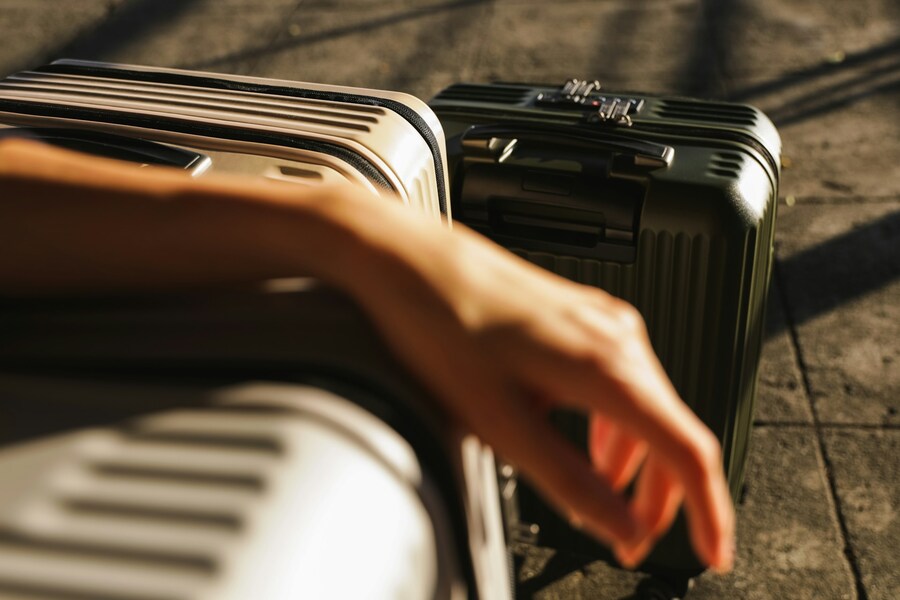
While most airlines are lenient with duty-free bags, it's vital to understand the
However, be wary of the "total volume" trap. Even if an airline allows a duty-free bag in addition to your carry-on, flight attendants have the discretion to gate-check items if the cabin is overcrowded. This is why the locker hack is so effective. Because you are picking up your items near the gate, you can often be one of the last people to "add" weight to your person, minimizing the time you spend managing the extra bag in the boarding queue. If you are flying with an ultra-low-cost carrier that's notorious for checking the number of items in your hand, having your duty-free items in a single, official-looking airport bag is your best defense. These bags are a universal signal to gate agents that the contents are "authorized" airport commerce, which carries a different status than a third personal backpack or a shopping bag from a city-center boutique.
The role of digital integration and mobile apps
The backbone of the modern duty-free hack is the airport's dedicated mobile application. These apps have evolved into comprehensive travel assistants that manage everything from your boarding pass to your retail orders. By integrating your flight details into the app, the system knows exactly which gate you are departing from and which locker bank is most convenient for your route.
In some advanced terminals, the app can even trigger a notification when you are within a certain radius of the pickup point. This level of automation ensures that the "pickup" phase of your journey takes less than 60 seconds. You are no longer standing in a line at a cash register behind 20 other travelers; you are interacting with a kiosk, grabbing your pre-packed bag, and walking onto the plane. This efficiency is the key to maintaining a stress-free travel day. It allows you to focus on the essentials – like finding your seat and securing your overhead space – without the distraction of managing multiple loose items.
Logistics beyond the terminal
The strategy of "hands-free" travel extends beyond the retail space and into the very way you arrive at the airport. A significant part of the stress involved in air travel is the "first mile" and "last mile" of the journey. If you are preoccupied with heavy luggage and the logistics of getting to the terminal, you are less likely to take advantage of savvy shopping hacks. This is where pre-planning your transit becomes essential. For those traveling through major hubs, securing your logistics early is just as important as pre-ordering your duty-free spirits.
For instance, if you are flying out of the Pacific Northwest, looking into SEA parking deals can save you a significant amount of money and time. Utilizing specialized services for SEA Airport parking ensures that you aren't wandering through a massive garage with heavy bags when you could be moving directly toward security. By choosing a reputable provider, you can find secure, affordable spots that often include shuttle services, allowing you to arrive at the terminal refreshed and ready to execute your duty-free strategy. This level of coordination – from the moment you leave your driveway to the moment you pick up your locker-stored purchases – is what separates the amateur traveler from the professional.
The bottom line

The era of struggling with oversized shopping bags in the middle of a cramped airplane aisle is coming to a close. As airports transform into "smart hubs," the integration of digital retail and automated pickup systems offers a sophisticated solution to the problem of carry-on limits. The duty-free locker hack is more than just a convenience; it's a tactical maneuver that respects the rules of the airline while preserving the perks of international travel.
By shifting your shopping habits toward the "Reserve and Collect" and "Arrivals Pickup" models, you effectively decouple your retail desires from your luggage constraints. You gain the freedom to move through the terminal unencumbered, the financial benefit of online-exclusive pricing, and the peace of mind that comes with knowing your purchases are safely waiting for you at the finish line. In a world where every inch of cabin space is contested, the smartest travelers are those who realize that sometimes the best way to carry something on a plane isn't to carry it at all until the very last moment.


