

Air travel is defined by rapid innovation and relentless infrastructure expansion. Over the last century, aviation gateways evolved from dusty turf airfields into massive aerotropolises handling tens of millions of passengers annually. Yet, as passenger traffic surges and airliners grow larger, the physical limits of geography, urban encroachment, and outdated design inevitably take their toll. Yesterday's cutting-edge aviation wonders frequently become today's obsolete relics. For modern travelers accustomed to navigating expansive concourses, automated people movers, and reserving a space in a structured airport parking lot, it can be hard to fathom that some of the world's most famous air transit centers have completely ceased passenger operations.
When major international hubs close forever, it represents a seismic shift in regional urban planning, logistics, and economic geography. In this deep dive, we explore 5 legendary global airport hubs that once dictated international flight paths but have now gone silent, examining their demise, their modern replacements, and the critical logistical lessons their closures teach us about modern travel efficiency today.
How Did These 5 Iconic Aviation Gateways Outgrow Their Runways?
The transition from legacy downtown-adjacent airports to massive peripheral air hubs has completely rewritten travel logistics. In the mid-20th century, airports were built close to city centers to prioritize convenience. However, as jet engines grew louder and passenger volumes skyrocketed, these constrained footprints became unsustainable bottlenecks. Today, modern replacement airports are constructed miles beyond urban cores, requiring sophisticated ground transit systems, advanced reservation networks, and comprehensive airport parking lot infrastructure to move landside travelers smoothly. Understanding the downfalls of these 5 iconic lost airports sheds light on why contemporary aviation infrastructure looks – and operates – the way it does today.
1. Kai Tak Airport (Hong Kong)
 Source: Google Search
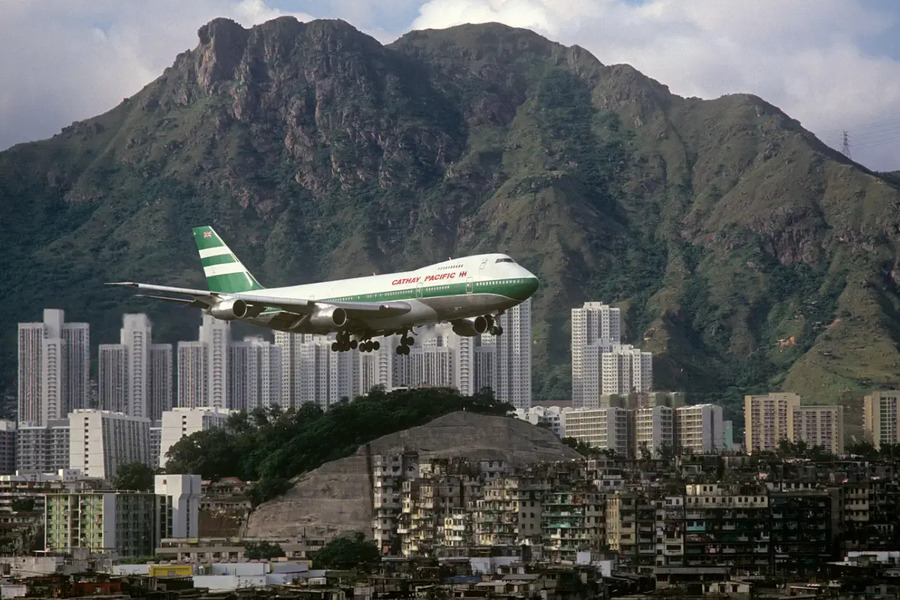
Few airports in civil aviation history evoke the raw adrenaline and iconic imagery of Hong Kong's Kai Tak Airport. Established in 1925 along Kowloon Bay, Kai Tak originally operated as a small airfield before evolving into a bustling international hub. However, its geographic location was an operational nightmare. Surrounded by dense residential high-rises and steep coastal mountains, Kai Tak possessed a single runway – Runway 13/31 – jutting directly into Victoria Harbour.
Pilots attempting to land on Runway 13 executed the world-famous "Checkerboard Approach." Aircraft descended toward a painted red-and-white mountain marker before executing a sharp, low-altitude 45-degree banked turn below 500 feet to align with the runway – passing so close to apartment buildings that passengers could see residents inside their homes.
By the late 1980s, Kai Tak was suffocated by its own success, processing over 29 million passengers annually on a single runway. Nighttime curfews enforced to reduce noise severely restricted international flight schedules. With zero room for expansion, Hong Kong launched the Rose Garden Project in 1991, reclaiming offshore land to build Hong Kong International Airport (HKG) at Chek Lap Kok for over $20 billion. On July 6, 1998, Kai Tak closed forever, and the site was redeveloped into a deep-water cruise terminal, public parks, commercial spaces, and modern residential complexes.
2. Stapleton International Airport (Denver, Colorado)
 Source: Google Search
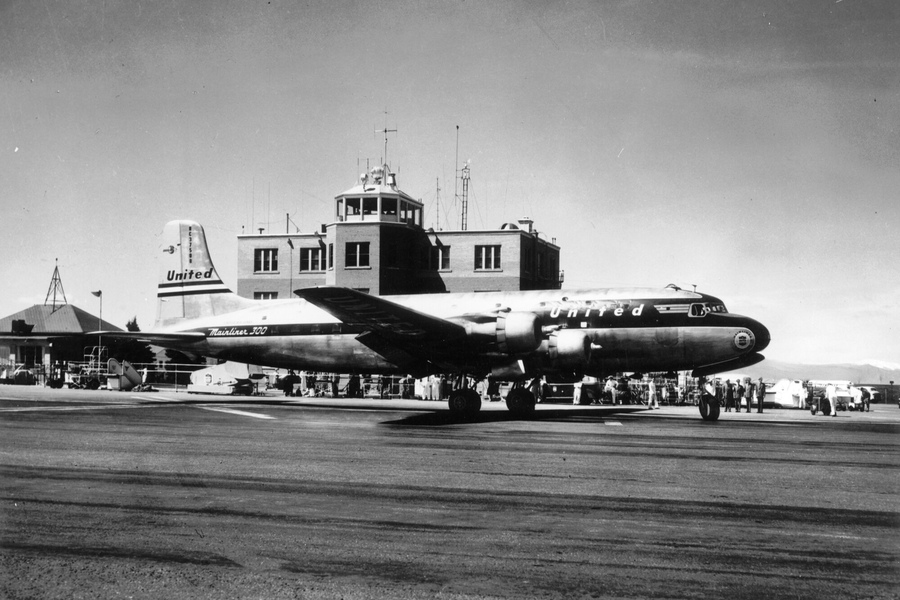
For more than six decades, Stapleton International Airport served as the primary aviation gateway to the American West. Opening in 1929 as Denver Municipal Airport, it was later renamed after Mayor Benjamin F. Stapleton. Located six miles northeast of downtown, Stapleton expanded rapidly alongside postwar commercial travel. By 1960, it ranked as the fifth-busiest airport in the United States, channeling millions of connection passengers through its concourses.
Despite its storied service, Stapleton's design contained fundamental structural flaws. Its runways were built in a tightly packed, intersecting layout. Severe winter blizzards and summer storms frequently forced the airport to reduce operations to a crawl. The closely spaced parallel runways failed modern Federal Aviation Administration (FAA) separation standards for simultaneous instrument landings in bad weather, causing cascading flight delays across North America.
Moreover, urban growth encircled Stapleton by the 1980s, triggering intense noise complaints and environmental disputes. Trapped within an 1,800-acre footprint, city leaders authorized a massive replacement facility. Located 25 miles northeast of downtown on 53 square miles of open prairie, Denver International Airport opened in 1995. Stapleton closed immediately to commercial traffic and was redeveloped into a vibrant urban residential neighborhood now known as Central Park, leaving only its historic control tower standing today as a community landmark.
3. Berlin Tegel Airport (Germany)
 Source: Google Search
Berlin Tegel Airport holds a unique place in geopolitical history as an enduring symbol of resilience, efficiency, and Cold War defense. Located in West Berlin, Tegel was born out of emergency necessity. In June 1948, the Soviet Union initiated the Berlin Blockade, cutting off land and water access to Western sectors. To keep citizens supplied, the Western Allies launched the Berlin Airlift. French military engineers and local workers constructed Tegel in a staggering 90 days, featuring Europe's longest runway at the time.
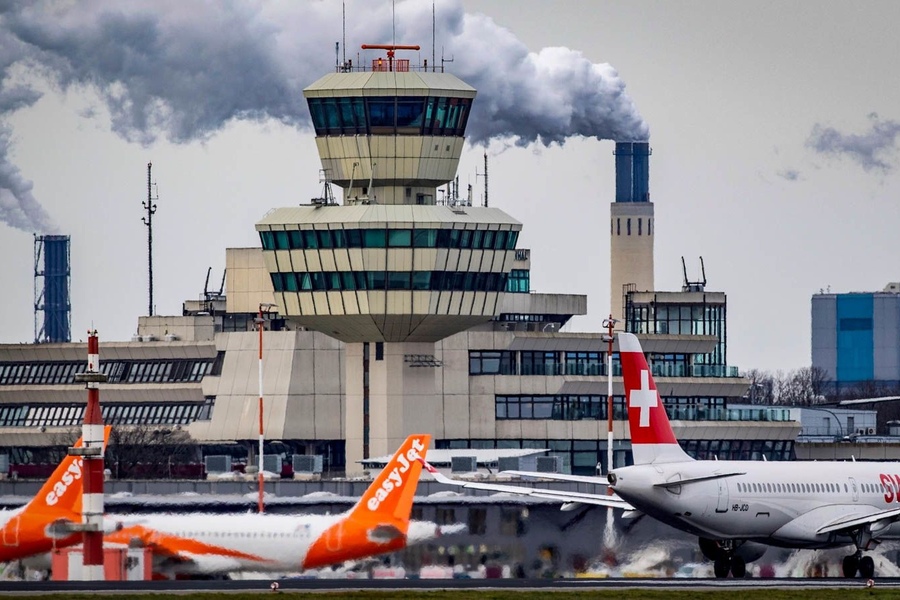
Following the crisis, Tegel developed into West Berlin's premier commercial airport. In 1974, it unveiled its signature hexagonal main terminal – a functionalist design minimizing walking distances from curb to gate to just 30 meters. However, this intimate layout contained the seeds of its downfall. Built for an initial capacity of 2.5 million passengers annually, Tegel was overwhelmed after German reunification.
By 2019, Tegel strained under over 24 million passengers annually – nearly ten times its design capacity. Long security lines and severe overcrowding plagued the aging facility. Following construction delays, Berlin Brandenburg Airport finally opened in 2020. On November 8, 2020, Tegel hosted its final commercial flight to Paris. Today, the site is being redeveloped into the "Urban Tech Republic," an innovative research park and eco-friendly residential community.
4. Montréal-Mirabel International Airport (Canada)
Source: Google Search
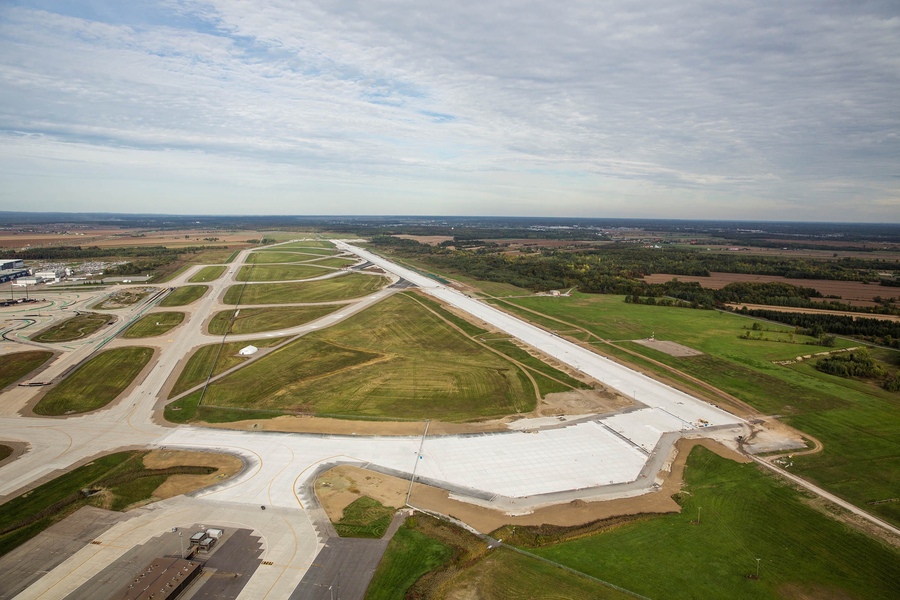
While most airport closures stem from over-capacity and land constraints, Montréal-Mirabel International Airport represents the opposite phenomenon: a colossal megaproject crippled by overestimation, poor planning, and shifting economic tides. Unveiled in 1975 by Canadian Prime Minister Pierre Trudeau prior to the 1976 Olympics, Mirabel was envisioned as the premier global hub for the 21st century. Spanning over 98,000 acres, it was designed to process 50 million passengers annually.
The operational strategy mandated that Mirabel handle international flights, while the older Montréal-Dorval Airport retained domestic flights. This split-airport policy proved disastrous. Connecting passengers arriving at Mirabel faced customs delays, luggage transfers, and an arduous 50-minute highway journey to catch domestic connections at Dorval. Promised high-speed rail links were never built.
Compounding the crisis, corporate headquarters migrated from Montréal to Toronto amid political uncertainty surrounding the Québec sovereignty movement, making Toronto Pearson Canada's primary international hub. As Mirabel's passenger numbers collapsed, airlines lobbied to return to Dorval. In 1997, the government lifted flight restrictions, causing Mirabel's traffic to disintegrate. On October 31, 2004, commercial passenger service ended. The passenger terminal was demolished in 2014, and Mirabel now operates strictly as a cargo facility and aerospace manufacturing site for the Airbus A220 commercial airliner series.
5. Istanbul Atatürk Airport (Turkey)
 Source: Google Search
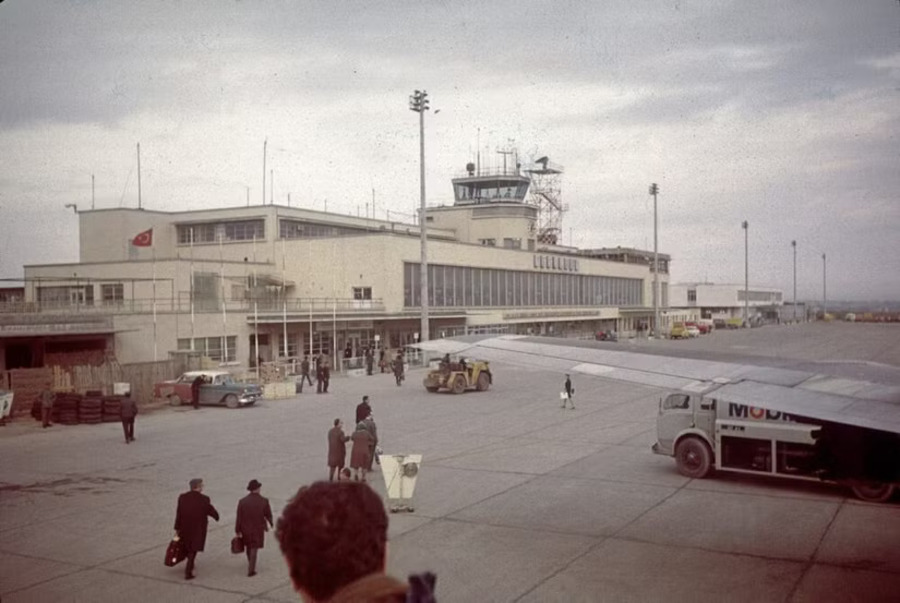
Strategically positioned at the meeting point of Europe and Asia, Istanbul Atatürk Airport served for generations as a vital geographic flight intersection. Established in 1912 as a military airfield, it was renamed in 1980 after Mustafa Kemal Atatürk, the founder of modern Turkey.
As Turkey's economy expanded and national carrier Turkish Airlines grew globally, Atatürk Airport experienced explosive growth. By 2018, Atatürk processed over 68 million passengers annually, making it the fifth-busiest airport in Europe. However, its success pushed its physical footprint beyond operational limits. Hemmed in by urban neighborhoods and the Sea of Marmara, the airport couldn't build additional parallel runways. Severe airspace congestion caused frequent flight delays, and aircraft were regularly parked on active taxiways during peak hours.
Recognizing Atatürk's limitations, the government commissioned a mega-airport on the Black Sea coast. The new Istanbul Airport opened in late 2018. In April 2019, "The Great Move" relocated over 10,000 pieces of ground support equipment north in a 45-hour operation, and commercial flights at Atatürk ceased immediately. Today, while handling cargo and diplomatic flights, large portions of the site have been redeveloped into the Atatürk Airport Nation's Garden, creating one of Europe's largest and most impressive public urban parks.
Modern Travel Logistics: Why Smarter Airport Planning Starts Groundside
The histories of Kai Tak, Stapleton, Tegel, Mirabel, and Atatürk underline an undeniable truth about modern aviation: success depends on seamless ground logistics as much as smooth air traffic control. As new replacement airports are built farther away from urban centers on massive regional footprints, navigating the groundside journey has become a central part of every traveler's itinerary. Today's mega-airports offer incredible amenities, but their sheer scale means that planning your arrival, securing parking, and getting to your terminal efficiently requires strategic advance preparation.
Whether you are departing from Denver, flying internationally out of modern mega-hubs, or taking advantage of regional airport parking offers across the country, securing your ground transportation before leaving home is the single best way to protect your travel budget and timeline, keeping your travel budget intact and your itinerary perfectly on schedule. Instead of driving in circles around complex modern multi-story garages or paying inflated drive-up daily rates, smart travelers rely on specialized off-site parking platforms to guarantee their spot long before departure.
By reserving through our reservation system, you gain access to a comprehensive directory of top-rated, secure off-site airport parking facilities nationwide. Our platform makes it effortless to compare verified customer reviews, shuttle frequencies, and safety features while unlocking deep parking discounts that keep your travel expenses firmly under control.
Don't let groundside logistics ground your next adventure. Visit AirportParking.deals today, lock in your guaranteed space through our reservation system, and experience smooth, reliable, stress-free travel from the minute you pull out of your driveway!


