

The gleaming aisles of an airport duty-free shop represent a unique psychological space for the modern traveler. Between the high-octane stress of security checkpoints and the cramped reality of economy seating, these bright, tax-free havens offer a momentary escape into luxury. For many, picking up a premium bottle of single malt scotch or a limited-edition French cognac feels like a victory – a way to reclaim some value from the high costs of international transit. However, this ritual of the frequent flyer is fraught with hidden complexities that many only discover at the worst possible moment: the secondary security screening.
The assumption that a product purchased inside the "sterile" zone of one airport is universally cleared for all subsequent travel is one of the most expensive misconceptions in the aviation world. Thousands of liters of high-end spirits are surrendered to security bins every year, not because the liquid itself is dangerous, but because the logistics of international aviation security are fragmented and often contradictory. Understanding the nuance of air travel in the current era requires more than just a passport; it requires a strategic grasp of how liquid regulations evolve as you cross borders and switch carriers.
So, how can your duty-free purchases become a security risk during transit?
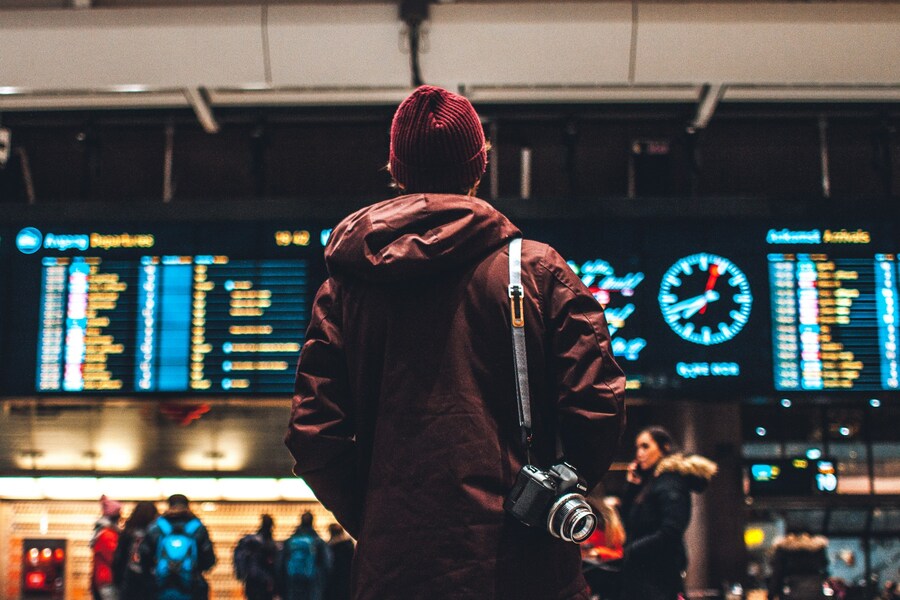 Source: Erik Odiin/Unsplash
The core of the problem lies in the transition between different security jurisdictions. When you purchase a bottle of alcohol at your departing airport, you are within a secure perimeter. However, as soon as you land for a connecting flight, you often have to exit that sterile zone and re-enter through another security checkpoint to reach your next gate. This is particularly common when transitioning from an international flight to a domestic one or when changing between different terminals that aren't linked "airside." At this juncture, your duty-free bottle ceases to be a verified purchase and reverts to being a "liquid, aerosol, or gel" (LAG) that exceeds the standard 100ml limit.
The global standard for handling this issue is the
The complexity of regional security agreements
The geography of your flight path is the most significant factor in whether your alcohol makes it home. For instance, the European Union, the United States, Canada, and Australia have reached a level of technological and procedural synchrony that allows for the "screening" of duty-free liquids. Modern security checkpoints in these regions often utilize sophisticated explosive trace detection equipment that can scan a sealed bottle without opening it. If you are transiting through a major hub like London Heathrow (LHR) or Dubai International (DXB) with a STEB-sealed bottle, the chances are high that the staff will simply pass the bag through a specialized scanner and send you on your way.
However, the trap snaps shut when your itinerary involves "non-equivalent" security zones. If you purchase a bottle of premium rum in a smaller Caribbean nation and connect through a major hub in North America or Europe, the transit security might not recognize the security protocols of the origin airport. In these cases, the STEB is treated as a standard shopping bag. Because the security personnel cannot verify the chain of custody from the point of manufacture to the point of sale, they must treat the high-proof alcohol as a potential volatile threat. This discrepancy highlights a fundamental truth about modern air travel: security is not a monolith, but a patchwork of local regulations and international treaties.
The problem with terminal changes and checked luggage
Another common scenario where duty-free alcohol is lost occurs during the "re-check" process. Travelers often forget that if they are flying into a country and have a domestic connection, they must usually clear customs and immigration, collect their checked bags, and then re-check them for the final leg. If you bought duty-free alcohol on the first flight or at the departure airport, you have a brief window of opportunity here. Since you have access to your checked suitcase before handing it back to the airline for the domestic leg, you can – and should – pack the duty-free bottle into your checked luggage.
The "trap" occurs when travelers keep the bottle in their carry-on, thinking the STEB will suffice for the domestic security screening. In many jurisdictions, domestic security has zero tolerance for liquids over 100ml, and they don't recognize the international STEB protocols at all. The moment you step out of the international arrivals hall and toward the domestic departures, the rules of the road change. If that bottle isn't cushioned safely inside your checked trunk before you head to the domestic TSA or its equivalent, it's almost certainly going into the bin. This is a heartbreaking mistake for those who have spent hundreds of dollars on rare vintages, only to watch them be discarded because of a simple failure to reorganize their bags.
Technological limitations and the human factor
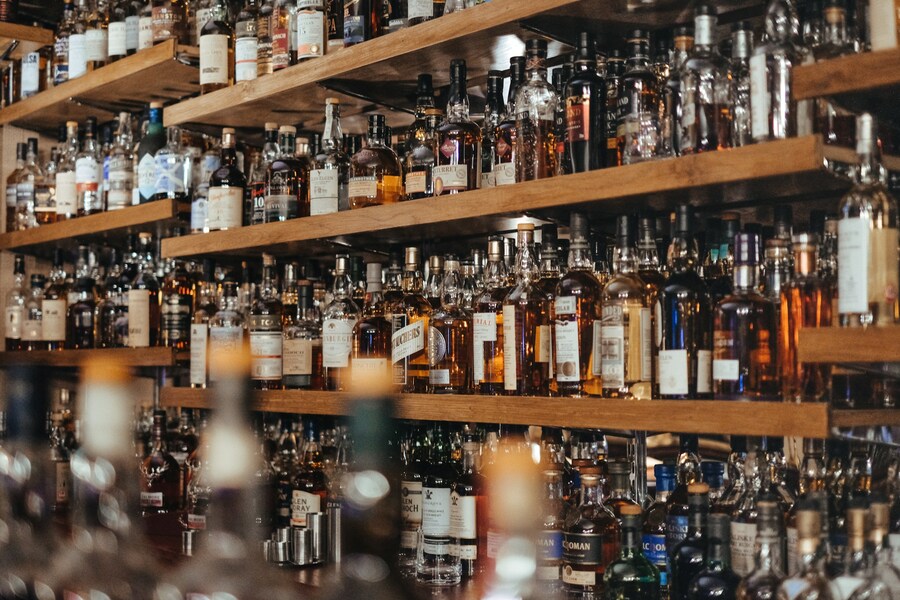
Even in airports equipped with the latest liquid scanners, the "human factor" remains a variable. Security lines are high-pressure environments where the primary goal is throughput and safety, not the preservation of a passenger's luxury goods. If a STEB is damaged, if the receipt is illegible, or if the seal has been tampered with in even the slightest way – perhaps by an over-eager traveler wanting to smell the whiskey – the protocol dictates immediate confiscation. There's no room for negotiation at the X-ray machine.
Moreover, some specific types of alcohol can trigger false positives on liquid explosive detection systems. Dense liquids or bottles with heavy metallic foils and intricate decorative elements can sometimes obscure the scan. If the machine cannot get a clear "read" on the liquid inside, the officer is forbidden from clearing it. This is the ultimate "duty-free trap": you can do everything right – keep the bag sealed, have the receipt ready, and be in a recognized airport – and still lose the item because the bottle's design interferes with the technology.
Strategic packing and pre-flight planning
To navigate these hazards, savvy travelers are adopting a more analytical approach to their shopping. The first rule is to only buy duty-free on the last leg of the journey whenever possible. If you are flying from Singapore to London via Doha, the safest place to buy your alcohol is in Doha. This eliminates the need to carry the liquid through a secondary security screening. If the price difference is negligible, waiting until the final transit hub is the only way to guarantee the safety of your purchase.
In addition, it's vital to research the specific "liquid rules" of your transit country. Some nations have very specific requirements for the age of the receipt (usually within 48 hours) and the specific branding of the STEB. If you are a connoisseur of fine spirits, it pays to treat the logistics of the purchase with the same level of detail as the selection of the bottle itself. Knowing whether you'll have to change terminals or re-clear security is the difference between a successful haul and an expensive lesson in aviation policy.
The role of ground logistics and airport infrastructure
The physical layout of an airport plays a massive role in the survival of your duty-free goods. Modern "mega-hubs" are increasingly designed to keep connecting passengers within a single, massive sterile environment. In these airports, you can land at Gate A and walk to Gate Z without ever seeing a security officer. In such environments, your duty-free purchases are perfectly safe. The danger arises in older airports or those undergoing renovation, where "bus transfers" between terminals often force passengers to exit and re-enter secure zones.
This brings us to the importance of the "pre-flight" phase of travel. Total travel efficiency isn't just about what happens in the air; it's about how you manage the transitions on the ground. For those flying out of regional hubs, the logistical chain starts the moment you leave your house. Managing your time and your vehicle can reduce the overall stress of the trip, allowing you to focus on the finer details of your itinerary. For example, travelers utilizing regional gateways often find that securing reliable terminal access is key. When planning a departure that involves complex connections, looking into options like ABE Airport parking can provide a smoother start to the journey. Utilizing reputable ABE parking deals ensures that you aren't rushing through the terminal, which is exactly when mistakes – like forgetting to pack a liquid into a checked bag – happen most frequently.
Conclusion

The allure of duty-free shopping remains a staple of international travel, but the "trap" is real for the uninformed. As security technology and global regulations continue to shift, the responsibility falls on the traveler to act as their own logistics manager. The loss of a high-value purchase at a security checkpoint is a frustrating experience that can sour even the most successful business trip or vacation. However, by understanding the mechanics of STEBs, recognizing the "dead zones" of security recognition, and strategically timing your purchases for the final leg of your journey, you can enjoy the benefits of tax-free shopping without the risk of confiscation.
Ultimately, the best defense against the duty-free trap is a combination of skepticism and preparation. Never assume that a bag sealed in one country is sacred in another. Always be prepared to move items into checked luggage during a connection if the opportunity arises. And most importantly, stay informed about the specific quirks of your transit hubs. Air travel is more than just a flight; it's a series of interconnected systems, and mastering those connections is the key to bringing your liquid treasures home safely.


