

For decades, frequent flyer programs have transformed air travel into a high-stakes pursuit of elite tiers. At the pinnacle lies "Lifetime Status," the ultimate reward for a decade of unwavering brand loyalty. It promises a future of permanent lounge access and priority treatment, regardless of your future spending. However, as the aviation landscape shifts toward revenue-based models and biometric efficiency, the value of this long-term commitment is being questioned. Is the "loyalty tax" of higher fares and inconvenient routing worth a prize that might change by the time you reach it? So, let's dive in!
Can you truly unlock infinite value through decades of airline loyalty?
 Source: mark chaves/Unsplash
To understand lifetime status, one must deconstruct its mechanics. Most legacy carriers require a staggering 1,000,000 miles to trigger permanent benefits. For frequent flyers, this decade-long marathon demands significant physical endurance and a "loyalty tax," often forcing travelers to bypass cheaper, more direct flights just to hit a singular, distant goal.
The evolution of elite perks in a post-digital era
The traditional benefits of lifetime status – such as the ability to check bags for free or skip the security line – are being challenged by the democratization of travel technology. In the current era, many of these "exclusive" perks can now be purchased à la carte or obtained through premium credit cards. This shift has forced airlines to rethink what "lifetime" actually means. While having a permanent seat in the lounge is a significant draw, the overcrowding of these spaces has led to a degradation of the experience. Many lifetime members now find themselves waiting in lines for a lounge that was once their sanctuary. Moreover, as airlines move toward more dynamic pricing for upgrades, the "complimentary" aspect of elite status is becoming increasingly rare, often replaced by a "first-best-offer" system that prioritizes immediate revenue over long-term loyalty.
When evaluating the worth of this commitment, one must also consider the stability of the airline industry itself. Over a 10-year span, airlines merge, go bankrupt, or drastically overhaul their loyalty structures. A "lifetime" benefit is only as good as the longevity of the carrier and its management's willingness to honor legacy agreements. We've seen instances where "lifetime" privileges were curtailed or moved behind new paywalls, leaving loyalists feeling betrayed. The risk of the goalposts moving just as you reach the finish line is a factor that every aspiring million-miler must weigh against the potential benefits of a more flexible, carrier-agnostic travel strategy.
The mathematical reality of the 1M-mile journey
If we look at the pure numbers, the math of lifetime status is sobering. To reach 1,000,000 miles in 10 years, an individual must fly an average of 100,000 miles per year. This is the equivalent of roughly 4 round-trips from New York to Singapore annually, or 25 round-trips between the East and West Coasts of the United States. For the corporate road warrior, this might happen naturally, but for the leisure traveler or the small business owner, achieving this requires a level of intentionality that often borders on obsession. The opportunity cost is the primary concern here. By tethering oneself to a single alliance, the traveler misses out on the "best-of-breed" experiences offered by international carriers that might not be part of their home airline's network.
Moreover, the physical toll of a decade of intensive flying shouldn't be underestimated. The pursuit of status often leads travelers to take "mileage runs" – flights taken for the sole purpose of hitting a status threshold. While these can be adventurous in your 20s, the appeal wanes as the years go by. By the time the status is finally achieved, many travelers find that their desire to fly has diminished significantly. The irony of lifetime status is that it often provides the most value during the period of your life when you're traveling the least. If you retire shortly after hitting your 1,000,000-mile mark, you're left with a suite of perks for a lifestyle you're no longer actively pursuing.
Impact of global alliances on permanent status
One of the strongest arguments in favor of lifetime loyalty is the reciprocal nature of global airline alliances. Achieving lifetime status with a major domestic carrier often translates to a corresponding level of status across an entire network of international partners. This means that a million-miler on a U.S.-based airline might enjoy lounge access and priority handling when flying on a partner airline in Europe, Asia, or South America. For the truly global traveler, this creates a seamless experience that spans the globe. This "global passport" effect is perhaps the most resilient aspect of airline loyalty, as it provides a consistent baseline of comfort regardless of the destination.
However, even this advantage is being squeezed by the rise of "joint ventures" and specific bilateral agreements that sometimes bypass traditional alliance rules. Some airlines have begun to restrict lounge access for partner elites or offer "light" versions of their premium services to anyone who isn't a top-tier flyer on their own metal. This fragmentation suggests that the future of airline loyalty may be more localized and less universal than it was in previous decades. As a result, the "lifetime" traveler must be more diligent than ever in researching how their hard-earned status will actually be treated when they step off their home carrier's aircraft.

Source: Jakub Żerdzicki/Unsplash
Strategic alternatives to the loyalty monopoly
In the modern travel market, a new philosophy has emerged: "The Free Agent." Rather than dedicating a decade to one airline, many savvy travelers are choosing to distribute their spending based on the best available product and price for each specific journey. With the rise of high-end travel credit cards that offer independent lounge memberships (like
This approach offers a level of freedom that the lifetime-status seeker lacks. The free agent isn't beholden to a specific hub or a specific set of flight times. They can take advantage of "mistake fares," flash sales, and new airline startups that disrupt established routes. When you calculate the thousands of dollars saved by always choosing the most competitive fare, the total often exceeds the monetary value of the "free" perks associated with elite status. The question then becomes whether the psychological comfort of being a "known entity" to one airline outweighs the tangible financial benefits of the open market.
The role of technology in personalizing the travel experience
As we move further into an era dominated by artificial intelligence and big data, airlines are becoming much better at identifying their most profitable customers in real-time. This means that a person who spends $20,000 on a single high-fare international ticket might be treated better than a lifetime "Million Miler" who's traveling on a deeply discounted economy fare. The shift from "miles flown" to "dollars spent" as the primary metric for loyalty has fundamentally changed the game. Many lifetime members who earned their status during the era of distance-based rewards now find themselves at the bottom of the upgrade list, surpassed by "big spenders" who have no long-term history with the airline.
This technological evolution also means that the "soft" benefits of status – like being recognized by name or receiving assistance during a flight delay – are increasingly handled by automated systems. While an elite member might get a notification for a rebooking 5 minutes before a general passenger, the "human" element of loyalty is being phased out in favor of algorithmic efficiency. For many, this removes the emotional satisfaction that used to come with being a lifetime member. If the "VIP treatment" is just a line of code in an app, the prestige of the 10-year journey feels significantly diminished.
Planning the logistics of the ultimate journey
For those who do decide to pursue the lifetime dream, the logistics of the journey extend beyond the air. The frequent traveler knows that the airport experience begins the moment they leave their home. Managing the complexities of ground transportation, security, and terminal navigation is essential to maintaining one's sanity over a decade of travel. Successful loyalty seekers often develop a "system" for every aspect of their trip, from the specific luggage they use to the way they handle the transit to the terminal.
A major component of this routine is the transition from the driveway to the gate. While frequent flyers often focus on the miles in the air, the "last mile" of the trip – the airport infrastructure – is where much of the stress occurs. Efficiency on the ground is just as vital as efficiency in the air. For travelers departing from major hubs like Boston, finding reliable and cost-effective ways to manage their vehicle is a key part of the strategy. Utilizing BOS parking deals can significantly reduce the overhead of frequent travel, allowing the flyer to invest those savings back into their travel budget. Selecting the right BOS Airport parking option ensures that the journey starts on a seamless note, which is crucial when you're facing hundreds of flights over a 10-year period. These small logistical wins accumulate over time, making the long-term pursuit of status feel less like a chore and more like a managed professional endeavor.
Conclusion
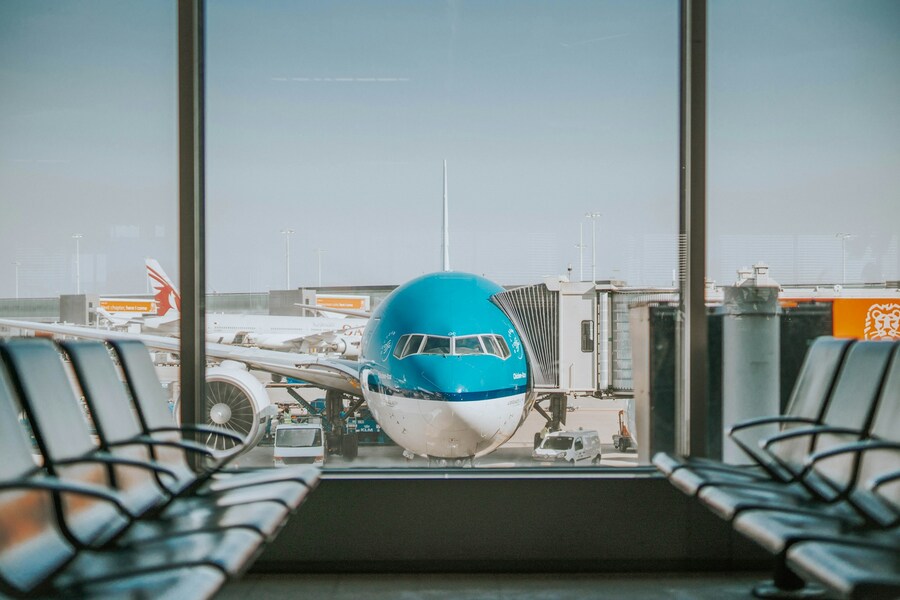 Source: Oskar Kadaksoo/Unsplash
Deciding if a decade of loyalty is worth the effort depends on your natural travel frequency. For career road warriors, lifetime status is a logical byproduct that provides a much-needed buffer and peace of mind. However, for those "forcing" loyalty through expensive fares or inconvenient layovers, the math rarely works. In today's market, flexibility and third-party perks often outweigh the diminishing returns of a "Lifetime Elite" badge. Ultimate travel hacking is about mastering tools that allow you to travel on your own terms. May your skies be clear and your journeys always lead to amazing discoveries!


