

Navigating airport security can quickly become stressful when everyday items trigger unexpected bag inspections. While most travelers know the standard rules for water bottles and cosmetics, the
Understanding these regulatory nuances saves valuable time, money, and hassle at the checkpoint. Moreover, seamless travel starts long before you reach security – it begins with organizing your luggage efficiently and arranging convenient airport logistics. In this comprehensive guide, we examine 5 everyday items you might be surprised to learn fall under the liquid category, explore international travel variations, and outline practical packing strategies so you can sail through security effortlessly.
What Can't You Pack in Your Carry-On? 5 Unexpected Items TSA Flags as Liquids
Source: Eminent Luggage/Unsplash
Whether you are departing on a short domestic weekend getaway or embarking on an extended overseas vacation, mastering the mechanics of airport logistics is essential for a stress-free trip. Before diving into the specifics of carry-on restrictions, it's crucial to recognize that efficient travel starts at the terminal perimeter. Coordinating your international airport car parking well in advance eliminates last-minute stress, allowing you ample time to double-check your bags, organize your liquids, and clear security checkpoints without rushing against the clock.
To avoid costly surprises at the terminal structure, savvy travelers research airport parking charges per day and evaluate long-term versus short-term reservation options. Taking advantage of advance booking platforms and looking for exclusive parking discounts can yield significant savings, leaving you with more room in your travel budget for your actual trip. Once your vehicle is safely parked in a secure off-site facility with shuttle service straight to the terminal door, your complete focus can shift to navigating baggage rules and security screening.
Understanding the TSA 3-1-1 Liquids Rule
 Source: Thanh Serious/Unsplash
To make packing easier, keep the fundamental 3-1-1 rule in mind:
- 3: Each liquid container must be 3.4 ounces (100ml) or smaller.
- 1: All containers must fit inside 1 quart-sized, clear, resealable plastic bag.
- 1: Exactly 1 bag is allowed per passenger in carry-on luggage.
The core principle behind TSA liquid screening is simple: if a substance can flow, spread, smear, or conform to the shape of a container, officers treat it as a liquid or gel. Below are 5 common household items, souvenirs, and foods that frequently trigger extra screening or confiscation at airport checkpoints.
1. Edible Spreads, Dips, and Condiments
Food items are among the most frequent sources of confusion at security checkpoints. Many passengers assume that solid or semi-solid foods packed in jars or plastic tubs are exempt from fluid restrictions. However, TSA guidelines maintain that any food product capable of being spread or poured is classified as a gel or liquid.
- Peanut Butter and Nut Butters. A sealed jar of creamy or crunchy peanut butter may feel solid in your hand, but TSA classifies it strictly as a gel. If your jar exceeds 3.4 ounces, it'll be confiscated if placed in a carry-on bag.
- Hummus and Creamy Dips. Mediterranean hummus, French onion dip, guacamole, and salsa (even thick, chunky salsas containing diced vegetables) are subject to the 3.4-ounce limit. The presence of solid food pieces doesn't override the liquid base.
- Honey, Jams, and Maple Syrup. Sweet spreads and natural sweeteners are viscosity-dependent liquids. Artisanal jam purchased as a gift or local maple syrup brought home from a mountain retreat must abide by carry-on fluid limitations.
- Yogurt and Soft Desserts. Greek yogurt, pudding cups, and cottage cheese fall under the paste/gel classification.
If you are traveling internationally, security agencies abroad maintain identical or even stricter interpretations. The Canadian Air Transport Security Authority (CATSA) and Australian Department of Home Affairs strictly limit spreads, including local favorites like Vegemite, to containers under 100ml in cabin baggage. If you plan to travel with regional food delicacies, always pack them in your checked luggage or purchase them past the security checkpoint in the duty-free lounge.
2. Creamy and Spreadable Cheeses
Cheese lovers often fall victim to TSA liquid rules when returning home with gourmet culinary souvenirs. While solid, hard cheeses like Cheddar, Parmesan, Gouda, and Manchego can be brought through security in unlimited quantities (though they may occasionally be flagged for manual inspection due to their density on X-ray screens), soft and spreadable cheeses are governed by the 3-1-1 rule.
As a general rule of thumb: If you can spread the cheese with a butter knife or scoop it with a spoon, TSA views it as a liquid. Soft cheeses like Brie, Camembert, mascarpone, ricotta, burrata, and fresh mozzarella packed in liquid whey or brine must strictly adhere to the 3.4-ounce rule for carry-ons. Larger wheels or tubs of soft cheese must be packed securely in checked luggage to prevent surrender at the checkpoint.
3. Party Glow Sticks
Glow sticks are popular novelties for family vacations, music festivals, cruises, and holiday celebrations. However, behind their plastic exterior lies a chemical process that relies on liquid solutions.
A standard glow stick contains two distinct fluid chemicals housed inside separate compartments: a translucent outer plastic tube and a fragile inner glass vial. When bent, the internal glass breaks, allowing the chemical compounds to mix and produce luminescent light through chemiluminescence. Because these items contain free-flowing liquid chemicals, TSA officers evaluate them under standard fluid restrictions.
Key guidelines for traveling with glow sticks include:
- Individual Volume: Every individual glow stick in your carry-on must contain 3.4 ounces (100ml) or less of liquid.
- Large Novelty Items: Oversized glow wands or novelty light sticks that exceed the 3.4-ounce volume limit are strictly forbidden in cabin baggage and must be placed into checked luggage.
- Cumulative Volume Allowed: You may bring multiple small glow sticks in your carry-on, provided all of them fit comfortably inside your single quart-sized liquids bag alongside your toiletries.
4. Novelty Items: Magic 8 Balls
Novelty items and classic retro toys often present unexpected challenges at airport security because of their internal construction. The iconic Magic 8 Ball is one of the few consumer products specifically highlighted on the official TSA restricted items list with a definitive prohibition for carry-on luggage.
- Carry-On Status: Strictly Prohibited ("Outlook Not So Good")
- Checked Bag Status: Allowed ("It's Certain")
The interior of a Magic 8 Ball is filled with a dark blue dye solution in which a 20-sided printed die floats. Because the plastic sphere is completely opaque and sealed during manufacturing, TSA security officers and X-ray scanners cannot accurately verify the precise chemical composition or fluid volume inside the toy.
According to manufacturer specifications, a standard Magic 8 Ball contains roughly 3.5 to 3.8 fluid ounces of liquid – placing it just above the allowable 3.4-ounce threshold. Because security agents cannot measure or inspect the internal fluid non-destructively, Magic 8 Balls are completely banned from carry-on bags. If you are purchasing one as a gift or nostalgia item, you must pack it inside your checked baggage, where liquid volume restrictions for non-hazardous materials don't apply.
5. Snow Globes and Liquid Souvenirs
Snow globes are cherished travel keepsakes, particularly during holiday travel seasons. However, thousands of snow globes end up in airport disposal bins every year because travelers fail to realize that the liquid inside is subject to TSA enforcement.
Because snow globes consist of a sealed glass or plastic dome filled with water, glycerin, and glitter, TSA screeners must estimate the liquid volume visually. Security regulations specify strict parameters for allowing a snow globe in your carry-on luggage:
- The Tennis Ball Rule. To be permitted in a carry-on bag, the entire liquid globe must appear visually equivalent to or smaller than a standard tennis ball. TSA benchmarks a tennis-ball-sized globe as containing approximately 3.4 ounces (100ml) of liquid.
- The Base Doesn't Count Toward Liquid Volume, But Counts Toward Size. While the decorative base of the snow globe doesn't contain liquid, the entire physical souvenir – base included – must be small enough to fit completely inside your single, quart-sized, clear zip-top bag alongside your other travel liquids.
- Oversized or Medium Globes. Any snow globe larger than a tennis ball will be rejected at the security line.
When transporting medium or large snow globes home from your travels, wrap them in thick layers of bubble wrap or soft clothing and place them near the center of your checked suitcase to protect them from impact and thermal fluctuations in the cargo hold.
Proactive Packing Tips for a Seamless Airport Experience
 Source: Nejc Soklič/Unsplash
To ensure a smooth journey from your front door to your final destination, integrating smart packing habits with efficient ground logistics is essential. Here are actionable steps to eliminate security delays and streamline your departure:
- Perform a Pre-Flight Liquids Inventory. Audit your carry-on bag 24 hours before departure. Remove any questionable pastes, spreads, soft cheeses, or liquid novelties and reassign them to your checked luggage or leave them at home.
- Utilize Double-Sealed Packaging for Checked Liquids. Pressure changes in aircraft cargo holds can cause liquid containers to expand and leak. Wrap jars of food, soft cheeses, and snow globes in sealed zip-top bags before cushioning them inside your checked suitcase.
- Streamline Terminal Transit. Eliminate pre-flight fatigue by arranging your terminal arrival and vehicle parking in advance. By securing a guaranteed spot through our reservation system at AirportParking.deals, you avoid searching for open spaces in congested garages, ensuring you arrive at the security terminal relaxed, organized, and ready for your flight.
Conclusion
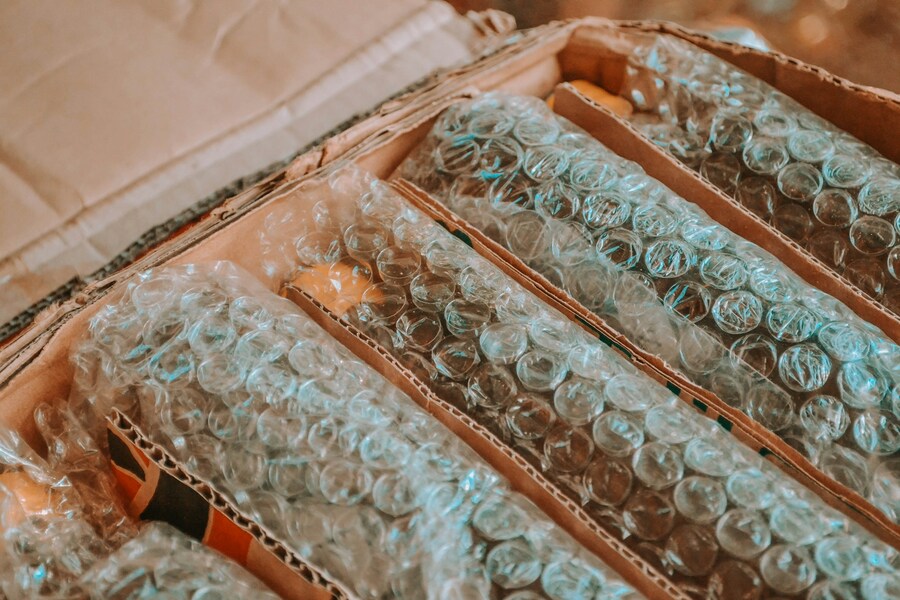 Source: Wander Fleur/Unsplash
Navigating airport security rules doesn't have to be stressful or confusing. By recognizing that everyday items like peanut butter, soft brie cheese, glow sticks, Magic 8 Balls, and decorative snow globes fall under the TSA's strict 3-1-1 liquids rule, you can pack your bags with confidence and avoid losing valued possessions at the checkpoint. Proper preparation – from double-checking your carry-on contents to arranging your checked luggage correctly – is the key to a seamless travel day.
Start your trip off on the right foot long before you step up to the security line. Reserve your off-site parking space today using our reservation system at AirportParking.deals. Enjoy competitive rates, secure vehicle storage, and fast shuttle service straight to your terminal, giving you complete peace of mind from the moment you leave home.


