

Standing in a crowded airport queue, watching your carry-on luggage roll into the X-ray tunnel, only to see the conveyor belt suddenly pause as an officer flags your bag for secondary inspection, is a universally stressful travel moment. When a
The good news is that the vast majority of secondary luggage inspections aren't triggered by dangerous contraband. Instead, they are caused by entirely innocent, everyday belongings that trick or confuse airport screening equipment. Because security technology relies heavily on material density and visual clarity, certain non-hazardous household items create dense or unusual images on an officer's monitor. Understanding what triggers these false alarms – and how to pack around them – is one of the most effective ways to accelerate your trip through the terminal.
In this travel guide, we break down 5 common items that cause TSA agents to pull carry-on bags aside, explore why these objects look suspicious, and provide actionable advice to help you breeze through security without delays.
What Gets Your Bag Pulled Aside at TSA? 5 Common Items That Confuse Scanners After Leaving the Airport Parking Lot
 Source: Dimitri Karastelev/Unsplash
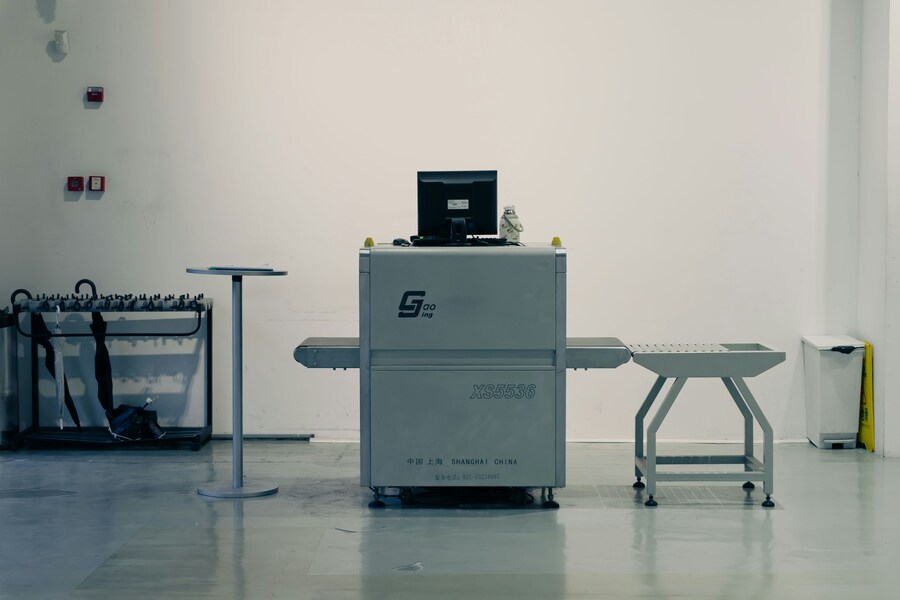
When carry-on bags pass through an airport X-ray machine, the dual-energy scanner generates color-coded images based on the density and atomic number of the objects inside. Inorganic materials like metals appear in blue and green, while organic materials – including paper, leather, food, and organic compounds – render in vibrant shades of orange. When an officer views your bag, they must quickly verify the shape and density of every mass. If an item blocks the scanner's beam, creates an impenetrable shadow, or mimics a restricted substance, the operator has a mandatory obligation to conduct a physical inspection. Understanding how these common goods register on security monitors allows you to adjust your packing strategy before arriving at the airport parking lot and entering the terminal.
1. Books, Thick Magazines, and Dense Stacks of Paper
It surprises many travelers to learn that literature is one of the top causes of physical bag searches at major airports. Whether you are bringing a thick hardcover novel for a long flight, carrying academic textbooks, or traveling with glossy fashion magazines, paper products regularly trip up automated scanning systems.
The core reason stems from the physical composition of paper. Derived from wood pulp, paper is a dense organic material that registers on X-ray monitors as a solid, dark orange mass. A single slim paperback lying flat in a bag rarely causes an issue. However, when multiple books are stacked together or compressed tightly inside carry-on luggage, the sheer volume of tightly packed pages creates an opaque block that X-ray beams cannot easily penetrate.
From the security officer's perspective, this dense organic block creates a visual shielding effect. The officer cannot see what lies directly beneath or inside the pages. Because thin metallic blades or flattened explosive compounds could theoretically be concealed within compressed paper, the agent must open your suitcase, remove the books, and perform a manual visual inspection or swab test. To prevent this delay, avoid stacking multiple heavy books together. Instead, lay them flat in separate sections of your suitcase.
2. Gourmet Spices, Powders, Ground Coffee, and Dry Ingredients
Foodies returning from trips with exotic culinary spices, fitness enthusiasts packing large tubs of protein powder, and coffee lovers traveling with freshly ground espresso beans all share a common risk: having their carry-on bags flagged at security.
Under federal TSA screening procedures for powder-like substances, any container holding more than 12 ounces – roughly the volume of a standard soda can – may require secondary screening and could be prohibited from carry-on bags if officers cannot verify its contents.
Granular and powdered substances scatter X-ray signals, producing a cloudy, high-density organic mass on the inspector's monitor. Moreover, many harmless organic powders share a similar visual density and atomic signature with illicit narcotics or pulverized explosives. Because X-ray scanners cannot perform a chemical analysis through a plastic tub or foil bag, an agent must physically pull your bag aside to open the container, visually examine the powder, and perform a chemical swab test to verify that the substance is inert. If you are carrying large quantities of powders or spices, pack them near the top of your carry-on in clear containers, or place them in checked luggage to avoid inspection delays.
3. Medically Necessary Liquid and Gel Medications Exceeding Standard Limits

Source: Nastya Dulhiier/Unsplash
The TSA strictly enforces the standard 3-1-1 liquids rule for carry-on bags, requiring all liquids, gels, and aerosols to be in containers of 3.4 ounces or smaller, placed inside a single clear quart-sized bag. However, an important exception exists for medically necessary liquids, prescription gels, liquid vitamins, saline solutions, and cough syrups.
While the TSA permits travelers to carry larger quantities of liquid medications in carry-on luggage, these items will almost certainly trigger a bag pull if they are left hidden deep within your suitcase. The automated scanning system is programmed to flag any liquid volume greater than 3.4 ounces as an anomaly. When an oversized bottle of liquid medication passes through the machine inside an unannounced bag, the system immediately highlights the bag for physical retrieval.
In addition, leaving liquid medications in unlabelled containers raises immediate red flags. Officers must verify that the liquid is non-hazardous, which often involves specialized chemical testing equipment or opening the container to test for vapors. Always separate medically necessary liquids from your main carry-on before screening begins. Inform the TSA officer at the queue entrance, pull the items out, and place them in a separate bin.
4. Wrapped Holiday Gifts, Festive Boxes, and Decorative Souvenirs
Traveling during the holidays or returning home from a vacation with presents for family and friends presents a unique set of security challenges. Many well-intentioned travelers spend hours wrapping gifts at home, only to watch a security agent slit open the decorative paper at the checkpoint.
TSA officers don't explicitly prohibit wrapped presents, but they strongly discourage them in carry-on bags. Intricate wrapping paper, metallic foils, thick gift boxes, and decorative bows create a visual barrier on X-ray screens. If a gift contains a battery-powered toy, a metallic kitchen gadget, a perfume bottle, or electronics, the officer viewing the monitor cannot visually identify the item through the wrapping. Because security personnel cannot leave ambiguous items unverified, they are required to open the package and remove the wrapping paper to physically examine the object underneath.
A classic offender in this category is the holiday snow globe. Snow globes are among the most common items surrendered at airport security during winter travel. Because snow globes contain liquid, any globe larger than a tennis ball generally exceeds the 3.4-ounce threshold and will be confiscated. Never wrap presents before flying; bring gift bags to assemble after landing instead.
5. Unsealed Meals, Homemade Sandwiches, and Foil-Wrapped Dishes
With airport dining prices steadily rising, many smart travelers prefer to bring their own meals, sandwiches, gourmet snacks, or leftovers onto the aircraft. While solid foods – such as bread, cakes, solid cheeses, cured meats, and dry snacks – are completely allowed through security, the way you wrap and present your food can cause instant delays.
Unsealed food items, bulky deli sandwiches, and thick travel meals register on X-ray screens as dense organic masses. Because organic materials match the color coding of certain dangerous compounds, an unsealed or messy sandwich can look like a suspicious bundle on screen. Moreover, security personnel know that unsealed food containers can be used to hide small metal objects or liquid packets deep inside layers of food.
The biggest culprit when traveling with food is aluminum foil. Wrapping sandwiches, burritos, or leftover dishes in heavy foil creates an impenetrable metallic reflection on the X-ray screen. The foil blocks the officer's view completely, hiding whatever is inside and forcing a mandatory manual search. To streamline your screening experience, follow 3 quick guidelines:
- Package all travel meals in clear, transparent plastic wrap or re-sealable zip-top bags rather than aluminum foil.
- Place your food containers in a separate tray before sending them through the scanner so officers can inspect them easily.
- Keep soft spreads, thick sauces, or dips under 3.4 ounces to comply with standard liquid regulations.
Conclusion
 Source: 123Duo3/Unsplash
Having your luggage pulled aside for a physical TSA inspection is an annoying speed bump, but it doesn't have to ruin your travel schedule. By understanding how airport X-ray scanners perceive organic density and visual obstacles, you can pack smart, separate dense items like books, powders, medications, gifts, and food, and glide through security lines with complete confidence.
Effortless travel starts long before you step into the airport terminal – it begins the moment you plan your travel logistics. Eliminating pre-flight stress means securing reliable, cost-effective airport parking ahead of time so you can focus on enjoying your trip. Taking advantage of long-term parking discounts and seasonal airport parking offers allows you to save significantly while enjoying smooth shuttle service directly to your terminal entrance.
When planning your next vacation or business trip, take advantage of our reservation system at AirportParking.deals. Our platform lets you effortlessly compare top-rated parking facilities near your departure airport, unlock exclusive rate reductions, and reserve your guaranteed parking space in seconds. Book your parking today through our reservation system and start your next adventure with total peace of mind!


