

A new survey reveals rising anxiety about how U.S. travelers are received abroad.
So, are Americans welcome abroad? Inside the new realities of global travel

Source: Kelsey Knight/Unsplash
More than half of all outbound travelers from the United States are currently reporting a sense of unease regarding how their nationality will be viewed in foreign countries, a striking trend highlighting the complicated social landscape that modern holidaymakers must safely navigate when choosing to explore an ever-changing world.
According to a comprehensive new
This distinct socio-political hesitation appears to be significantly more pronounced among female adventurers, given that 55% of the women questioned in the data pool admitted to feeling anxious about external cultural reactions, while a lower 49% of the men surveyed reported having similar concerns about their personal heritage impacting their vacations.
Adriana Ocañas, a seasoned consumer analyst working directly for U.S. News & World Report, clarified the broader economic context of these findings by pointing out that even though modern vacationers are currently dealing with a highly unstable domestic landscape marked by persistent inflation and a highly charged political environment, regular Americans are still actively setting their sights on summer travel.
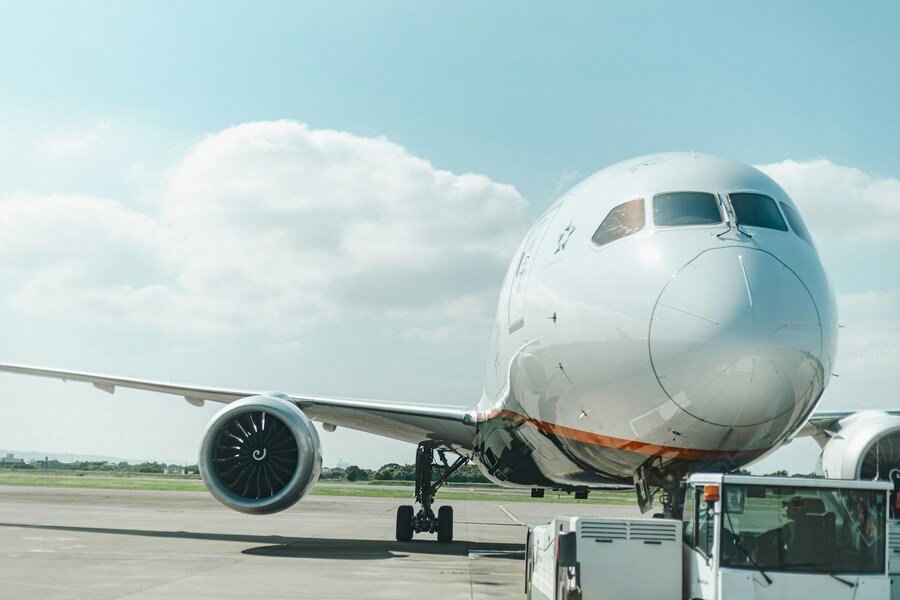
These complicated psychological concerns are coming to light just as the baseline financial cost of planning an overseas vacation becomes substantially more expensive for the average working family, especially as the volatile geopolitical situation and the ongoing war in Iran continue to drag on and negatively impact global supply chains. As a direct consequence of these mounting external pressures, rapidly rising aviation fuel costs have forced domestic airfares to spike by up to 15%, while the average cost of booking a long-haul trip from the United States over to European destinations has increased by roughly 20%.
Source: Edward Lawrence/Unsplash
This noticeable shift in consumer mindset is happening concurrently with an ongoing decline in the total volume of international inbound tourism entering North America, which includes a dramatic drop in traditional cross-border leisure travel coming over from Canada. In a recent market assessment, the U.S. Travel Association noted that while overall international visitation is currently forecast to experience a modest increase of 3.4% to reach an estimated 70.6 million visitors, industry leaders must caution that a full market recovery back to prosperous 2019 baseline levels isn't realistically expected to materialize until the year 2029.
Despite these layered political hesitations and systemic regional challenges, ordinary citizens are showing an immense amount of personal resilience by planning a much higher volume of international trips compared to their overall vacation output tracked back in 2025. In total, approximately 44% of the consumer demographic surveyed by the research team at U.S. News & World Report confirmed that they fully intend to organize an ambitious trip abroad over the course of 2026, which is a clear jump from the 41% recorded last year, while an overwhelming majority of 63% explicitly stated that they haven't altered their itinerary due to the international political climate.
That being said, rapidly increasing baseline prices have undeniably had a far more profound and measurable impact on the population's immediate summer vacation arrangements, with an alarming 65% of Americans stating that they have been forced to do something completely different with their itineraries due to increased expenses, a trend that includes swapping out expensive hot spots for budget destinations or even canceling components of their trip.
To successfully combat these rising prices, industry experts suggest that families looking to maximize their budgets should consider booking trips to alternative regions like Mexico and the Caribbean, which boast far greater price stability this season than the volatile European market. Moreover, travelers looking to save money out of major hubs like San Francisco (SFO) should research competitive SFO Airport parking options early to avoid paying premium drive-up rates at the terminal. Exploring localized SFO parking deals can also yield massive structural savings, and utilizing specialized reservation engines like AirportParking.deals can drastically lower the baseline cost of an entire journey. Finally, experts recommend booking flights quickly, setting up immediate digital price alerts, and monitoring for flexible fare adjustments down the line while steering completely clear of restrictive basic economy restrictions.


