

The modern landscape of premium air travel is defined not just by the quality of the aircraft cabin, but by the seamlessness of the ground experience. For millions of international and domestic flyers, navigating bustling terminal buildings has become an exercise in stress management, turning what should be an exciting prelude to a journey into a chaotic race against time and crowds. Amidst the visual and auditory noise of public boarding gates, expensive terminal dining, and scarce power outlets, a sanctuary becomes less of a luxury and more of an operational necessity. This is where premium airport lounges step into the spotlight, functioning as quiet oases where travelers can rest, catch up on critical corporate assignments, or enjoy a curated meal away from the general terminal populace. Within this global ecosystem of premium airport hospitality, single-airline programs often restrict access to their most loyal premium-cabin passengers, leaving casual vacationers, business consultants, and multi-airline flyers searching for a more flexible key to the terminal gates.
So, how can travelers maximize their Priority Pass benefits in the evolving airport landscape?
Source: Max Harlynking/Unsplash
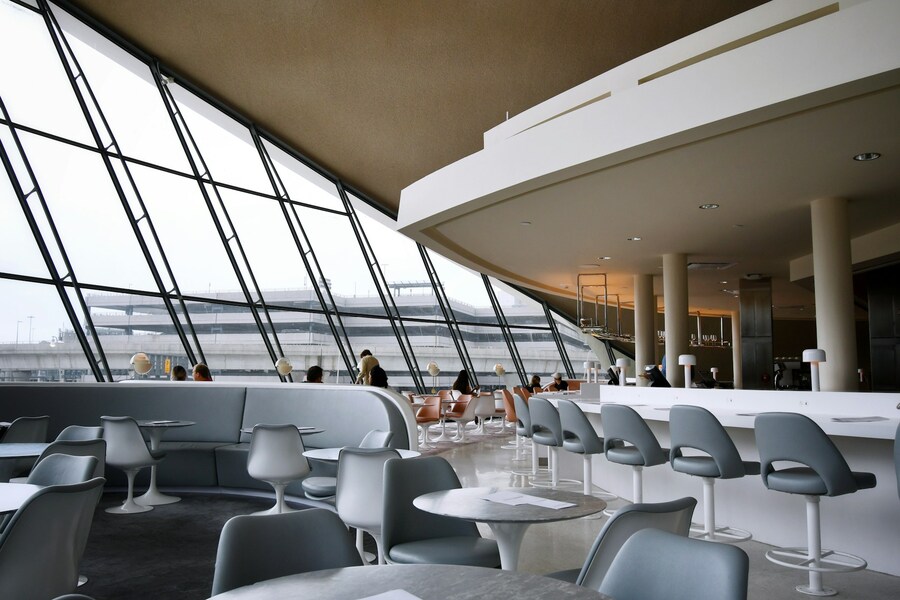
The answer to optimizing this independent network lies in a comprehensive understanding of how the program functions behind the scenes, alongside a proactive approach to trip planning. Priority Pass doesn't operate the lounges within its directory; instead, it acts as a universal membership key, negotiating access agreements with independent operators, specific airline lounges, and unique terminal businesses. This foundational structure means that the quality, amenities, and entry regulations can vary significantly from one concourse to another. To truly unlock the value of a membership, a flyer must move beyond the basic expectation of a standard comfortable seat and a complimentary beverage. Maximizing the system requires an awareness of terminal architecture, a clear strategy for peak travel windows, and an understanding of how digital tools can streamline lounge entry. It also involves recognizing that the traditional concept of an airport lounge is undergoing a massive transformation, with the network adapting to modern passenger demands by incorporating non-traditional premium options that cater to holistic wellness, local culinary traditions, and hybrid work environments.
Navigating peak hours, capacity constraints, and digital queue systems
One of the most significant operational challenges facing independent lounge programs today is the sheer volume of eligible cardholders, which frequently leads to overcrowding during banks of international departures. When a specific lounge hits its maximum legal occupancy, front-desk agents must implement waitlists or temporarily turn away Priority Pass members to preserve a premium interior environment. To successfully circumvent these capacity bottlenecks, experienced flyers utilize the official Priority Pass mobile application well before they arrive at the security checkpoint. The digital platform provides real-time information regarding operating hours, specific terminal locations, and current access restrictions. Some lounges have integrated advanced digital reservation features or live capacity indicators directly into the app, allowing members to view wait times or secure a virtual spot in line while riding the terminal transit train. Moreover, understanding the scheduling of major long-haul flights from your departure airport can help you predict lounge crowding; arriving 30 minutes before a major bank of transatlantic or transpacific departures can mean the difference between immediate entry and a lengthy wait on the concourse floor.
The transformation of lounge amenities and premium on-site services
The internal environment of a network lounge has evolved dramatically from the basic layout of a decade ago, which typically featured little more than stale snacks, standard soft drinks, and local newspapers. Today, the competitive landscape of airport hospitality demands elevated offerings that reflect modern lifestyles and corporate requirements. High-speed, enterprise-grade wireless internet is now a baseline expectation, but top-tier lounges within the network go much further by providing dedicated soundproof workstations, private conference rooms, and easily accessible universal charging hubs at every seat. Culinary programs have also experienced an upgrade, shifting away from generic buffet spreads toward hot, chef-curated selections that highlight local flavors and seasonal ingredients. Premium beverage programs frequently feature regional craft beers, curated wine lists, and barista-quality coffee stations. Beyond sustenance and connectivity, many international hubs feature network lounges equipped with upscale shower suites, premium SPA treatment rooms, and quiet relaxation zones complete with massage chairs, allowing long-haul travelers to combat jet lag effectively before boarding their next flight.
Expanding horizons via non-traditional network alternatives
Perhaps the most innovative development within the program is the expansion into non-traditional airport experiences, providing substantial value even when a conventional lounge is unavailable or overcrowded in a specific concourse. The network now encompasses a wide variety of airport restaurants, cafes, and private sleep pods. At designated airport eateries, eligible members receive a fixed monetary credit per person, which can be applied directly to an à la carte meal or premium drinks. This option provides an excellent alternative for travelers who prefer a sit-down dining experience or are departing from terminals where traditional lounges are undergoing renovation. In addition, the integration of premium nap rooms and private work suites, such as Minute Suites, allows members to reserve a completely isolated, soundproof room for an hour or more. These compact sanctuaries feature comfortable daybeds, dedicated workstations, smart televisions, and full climate control, making them perfect for business travelers needing absolute privacy for a sensitive corporate call or weary flyers looking for a brief sleep during an extended multi-city layover.
Understanding membership tiers, guest policies, and access economics
An effective lounge strategy requires a precise understanding of the financial and structural variations among the different membership tiers. Priority Pass offers several direct subscription paths, ranging from a basic level where every individual lounge visit incurs a standardized fee, to top-tier annual packages that include unlimited, completely complimentary entry for the primary cardholder. However, a significant percentage of modern travelers secure their membership as a complimentary perk integrated into premium credit cards. When utilizing a card-issued membership, it's vital to review the specific terms and conditions established by the financial institution, particularly regarding guest privileges. While some premium accounts allow the primary member to bring two travel companions into the lounge free of charge, others charge a set companion fee directly to the linked credit card. Being fully aware of these specific guest policies before arriving at the lounge reception desk prevents awkward interactions and unexpected financial line items on your monthly statement, ensuring a smooth transition from the public terminal into the premium space.
Strategic terminal maneuvers and alliance lounge dynamics
Maximizing your airport experience frequently requires a bit of geographic flexibility and an understanding of terminal connectivity. In many major global airports, terminals are linked airside via secure pedestrian walkways or automated people movers, meaning passengers can easily access a lounge located in a different concourse than their departure gate. If your departing terminal lacks a highly rated Priority Pass lounge, a short walk to an adjacent terminal might unlock a significantly superior facility, provided you allocate enough time to return for boarding. In addition, the network frequently partners with specific international airlines, allowing members to access dedicated carrier lounges during hours when the airline's own premium passengers aren't utilizing the space. These carrier-operated locations often feature higher-end amenities and quieter atmospheres compared to standard independent facilities. By researching the entire airport footprint before departure, you can discover hidden gems that turn a mundane pre-flight wait into a memorable part of your broader travel itinerary.
Ensuring seamless access through ground transportation planning with AirportParking.deal
Source: Geoffrey Gu/Unsplash
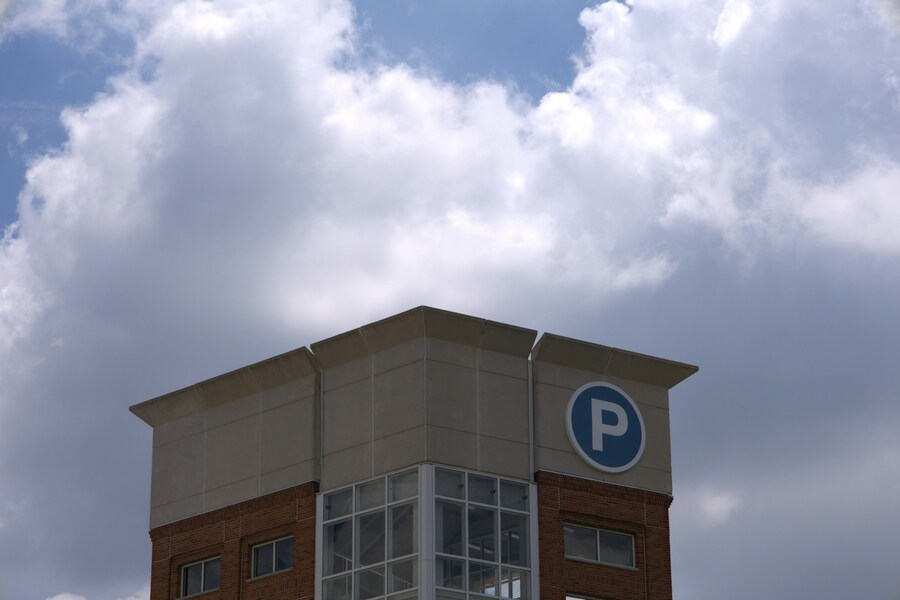
A truly comprehensive approach to stress-free air travel involves looking at the entire journey, starting from the moment you leave for the airport. Securing premium lounge access is an excellent way to elevate your terminal experience, but the value of that relaxation is severely diminished if you spend your pre-flight hours battling stressful traffic or searching fruitlessly for an open parking space close to the terminal doors. Integrating a reliable ground parking strategy with your lounge plans creates a seamless travel sequence from your vehicle straight to the premium lounge chair. For travelers flying out of the San Francisco Bay Area, utilizing specialized reservation systems helps you track down affordable OAK parking deals to guarantee a smooth start at the region's secondary international hub. Booking your spot in advance through dedicated online platforms ensures that your vehicle is safely positioned in a reliable lot near the runway, allowing you to bypass terminal traffic, clear security efficiently, and maximize every available minute enjoying the quiet comfort, complimentary dining, and premium amenities available within the OAK Airport parking vicinity lounges before your long-haul flight.
The bottom line

Source: CARMELA LUSTRE/Unsplash
Ultimately, a Priority Pass membership remains one of the most powerful tools an international or domestic flyer can carry, transforming the predictable stress of public terminal areas into a highly manageable, productive, and comfortable experience. While the popularity of the program has undeniably led to challenges with peak-hour capacity, the continuous expansion of the network into upscale airport dining, private sleep pods, and dedicated workspaces ensures that members possess multiple avenues for premium relaxation. Maximizing this asset requires a shift from passive travel habits to proactive terminal planning, using digital tools to track down real-time availability and looking at the entire journey as an interconnected system. By pairing your independent lounge access with smart, pre-arranged ground logistics like advanced parking reservations, you remove the friction points that typically plague the modern flying experience. Whether you are a business consultant needing a quiet workspace for a critical project, a family looking for a comfortable space to gather before a vacation, or a solo explorer embarking on a multi-city journey, a strategic approach to your airport layout ensures that every trip begins on a sophisticated note of comfort and ease.


