

The modern landscape of global aviation has undergone a profound metamorphosis, shifting from utilitarian transit hubs into sophisticated architectural wonders that serve as destinations in their own right. In the current era of international travel, the quality of an airport experience can define the success of a journey, acting as the first and last impression of a nation's hospitality and technological prowess. As passenger expectations rise, the competition among global air hubs has intensified, leading to unprecedented investments in automation, sustainability, and leisure facilities. Today, the world's leading airports are no longer just runways and gates; they are indoor forests, high-end shopping gallerias, and centers of culinary excellence that reflect the cultural identity of their host cities.
So, what defines the excellence of global aviation hubs today?
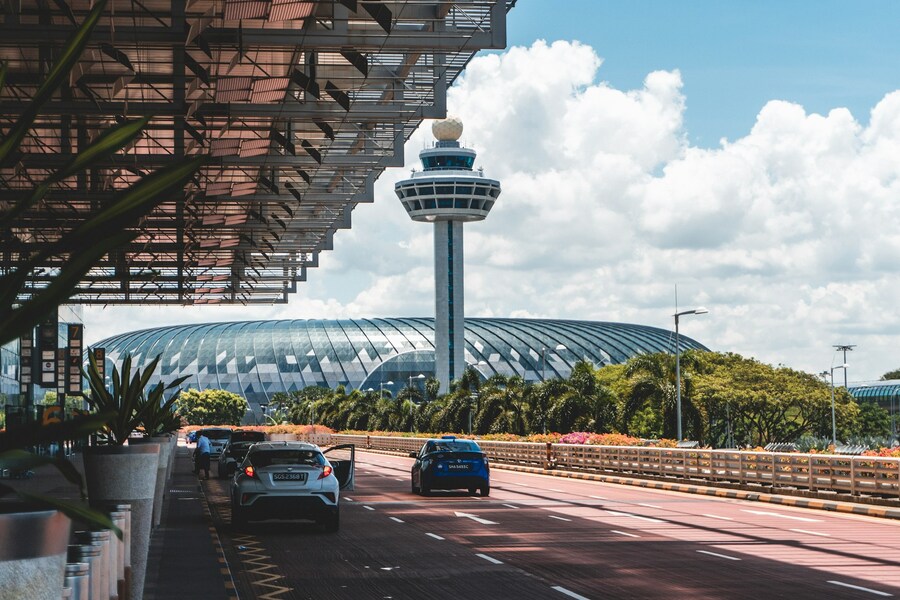 Source: Shawn/Unsplash
To understand the current hierarchy of international flight centers, one must look at the rigorous standards set by industry evaluators and the evolving needs of the global traveler. Excellence is measured through a multifaceted lens that includes efficiency in immigration, the cleanliness of facilities, the diversity of retail and dining options, and the seamless integration of transit technology. In the contemporary market, a five-star rating is a rare and prestigious accolade, reserved for those institutions that maintain consistent quality across hundreds of customer-facing touchpoints. The centers that rise to the top are those that view the passenger journey as a holistic experience, minimizing the stress of travel while maximizing comfort and engagement.
The reign of a 14-time global leader
For over a decade, one specific institution has remained the gold standard of aviation excellence, and it has once again secured its position at the pinnacle of the world rankings. Singapore
The centerpiece of this achievement is the world-renowned indoor waterfall, surrounded by a lush tropical forest that allows passengers to reconnect with nature within a high-tech terminal. Beyond the aesthetics, the facility has dominated several sub-categories, earning top honors for its immigration services and its culinary offerings. With three of its four terminals maintaining perfect five-star ratings, the infrastructure is designed to handle immense volume without sacrificing the personal touch that defines luxury travel. Looking forward, the ambitious expansion projects currently underway aim to nearly double the annual passenger capacity, ensuring that this hub remains ahead of global demand for decades to come.
The dominance of the Asian aviation sector
The current rankings reveal a significant geographical shift in aviation power, with the top five spots on the global list being exclusively held by Asian hubs. This dominance reflects a broader trend of rapid economic growth and infrastructure investment across the continent. Seoul's Incheon International Airport (ICN) maintains its reputation as a formidable competitor, securing the second-place position. Incheon is particularly celebrated for its family-friendly environment, providing specialized zones and services that cater to those traveling with young children, thereby reducing the logistical burden on parents.
Japan's contribution to the upper echelons of aviation is equally impressive, with both Tokyo Haneda (HND) and Tokyo Narita (NRT) featuring prominently. Haneda, specifically, is recognized as a world leader in cleanliness and accessibility. The meticulous maintenance of its domestic and international terminals serves as a model for urban airports worldwide. Moreover, Hong Kong International Airport (HKG) has seen a significant resurgence, climbing the ranks to claim the fourth position as it continues to refine its role as a bridge between the East and the West. These institutions are characterized by their ability to combine high-speed efficiency with a deep respect for passenger dignity and comfort.
European innovation and regional strength
While Asian hubs dominate the top five, European airports have made substantial strides in modernization and passenger satisfaction. Paris Charles de Gaulle (CDG) has emerged as a regional leader, holding the title of the best airport in Europe. This achievement follows years of restructuring and design improvements aimed at making the sprawling complex more navigable and aesthetically pleasing. Similarly, Rome Fiumicino (FCO) has gained international acclaim for its improved operational efficiency and the high quality of its passenger services, marking a new era for Italian aviation.
Other notable European performers include Istanbul Airport (IST) and Munich Airport (MUC). The facility in Istanbul serves as a massive, modern gateway connecting multiple continents, leveraging its geographic advantage with state-of-the-art logistics. Munich, on the other hand, remains a favorite for those who appreciate Bavarian hospitality and a highly organized, user-friendly layout. These European centers are increasingly focusing on sustainability and the reduction of carbon footprints, integrating green energy and waste-reduction programs into their long-term operational strategies.

Source: Sean Nufer/Unsplash
Specialized excellence and five-star success
Beyond the overall rankings, several airports have achieved perfection in specific categories or earned top-tier star ratings. China's Shanghai Hongqiao (SHA) and Haikou Meilan (HAK), along with Japan's Fukuoka International (FUK), have all been recognized with five-star status this year. These ratings aren't given lightly; they require a high level of performance in every area, from terminal cleanliness to the speed of baggage delivery. These centers represent the "hidden gems" of the aviation world, where the focus on detail ensures a seamless transition for every traveler.
The global aviation landscape is also influenced by geopolitical shifts. Some historically high-ranking hubs have temporarily moved out of the competitive spotlight due to regional conflicts or shifts in industry participation. This absence creates opportunities for emerging hubs to showcase their capabilities and attract new airline partnerships. As the industry moves forward, the focus is increasingly on "zero-touch" technology and biometric boarding processes, which aim to eliminate the traditional bottlenecks associated with security and boarding.
Logistics and the importance of passenger planning
A critical but often overlooked aspect of the modern airport experience is the logistical journey that begins long before a traveler reaches the gate. The efficiency of ground transportation and the availability of secure, affordable vehicle storage play a vital role in the overall perception of a travel hub. For those traveling through Canada's capital, finding reliable YOW parking deals is a priority for frequent flyers who value both cost-effectiveness and proximity to the terminal. Utilizing professional services for YOW Airport parking allows travelers to start their journey with peace of mind, knowing their logistics are managed through a trusted platform that prioritizes convenience and security in the competitive parking market.
Looking toward the future of flight
As we look toward the next decade, the evolution of airports will likely be driven by three primary factors: technology, sustainability, and personalization. The rise of sustainable aviation fuels and electric vertical take-off and landing vehicles will require airports to redesign their energy infrastructure. Simultaneously, the use of artificial intelligence to manage passenger flow will make the experience of navigating a terminal more intuitive and less time-consuming. The airports that will lead the world in the future are those that can successfully balance these high-tech advancements with a human-centric approach to service.
The 14-time champion in Singapore has already begun this transition by investing in massive green spaces and automated systems that feel like natural extensions of the environment rather than intrusive machinery. Other global hubs are following suit, recognizing that the "best" airport isn't necessarily the one with the most flights, but the one that makes the passenger feel most valued. Whether it's through family-friendly amenities in Seoul or the pristine terminals of Tokyo, the global standard for excellence continues to rise, benefiting travelers across the globe.
Conclusion

Source: Nils Nedel/Unsplash
The rankings of the world's best airports serve as a roadmap for the future of international travel. The continued dominance of Asian hubs, led by the perennial success of Singapore Changi, highlights a regional dedication to infrastructure as a form of art and national pride. While Europe remains a stronghold of reliability and regional connectivity, and North America begins its long-awaited period of revitalization, the common thread among all top-tier airports is an obsession with the passenger experience. As technology continues to blur the lines between transit and leisure, the airport of the future will be a place where the journey is just as rewarding as the destination. For the modern traveler, these hubs are no longer obstacles to overcome but are integral parts of a sophisticated, global lifestyle that celebrates the spirit of exploration and the efficiency of human ingenuity.


