

The majesty of the American West is often summarized by its rugged skylines and glacial-carved valleys, but nowhere is this splendor more concentrated than within the borders of
So, what are the essential considerations for planning a camping trip to Glacier National Park?
 Source: Dominik Jirovský/Unsplash
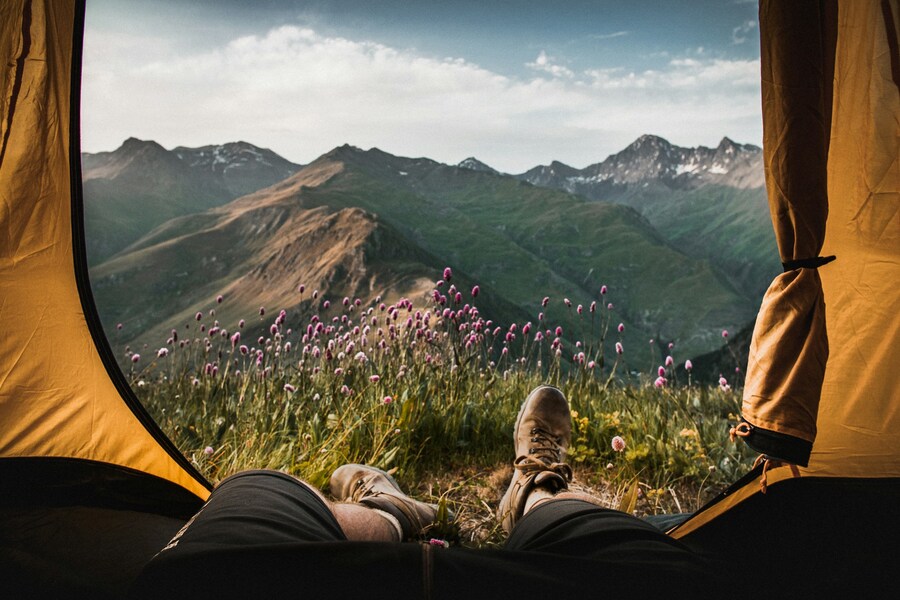
Planning a trip to this iconic destination requires more than just a tent and a map. The sheer popularity of the park has led to a structured reservation system designed to protect the fragile ecosystem while managing the influx of thousands of visitors. To start, you must distinguish between the various regions of the park, as the experience on the west side differs dramatically from the east. The west side is characterized by lush cedar forests and the expansive Lake McDonald, while the east side offers the dramatic, jagged peaks and windswept prairies that many associate with the classic Rocky Mountain aesthetic. Understanding the seasonal windows is equally vital. While some campgrounds remain accessible in a limited capacity during the colder months, the primary season is relatively short, typically running from late May through September.
Logistics are the cornerstone of a Glacier adventure. You cannot simply show up and expect a spot, especially during the height of the summer. The park utilizes a dual system for its 13 on-site campgrounds: roughly half are available via advanced reservation through the federal booking portal, while the others operate on a traditional first-come, first-served basis. For those aiming for the latter, "early" often means arriving at the campground entrance before dawn. Moreover, vehicle reservations are a critical component of the modern park experience. If you intend to drive the legendary Going-to-the-Sun Road or enter the North Fork region during peak hours, you must secure a timed-entry permit well in advance, regardless of whether you have a camping reservation.
Exploring the developed campgrounds of the West Side
The western entrance serves as the gateway to some of the park's most accessible and amenity-rich camping areas. Apgar Campground stands as the titan of this region. As the largest facility in the park, it provides nearly 200 sites nestled among the trees near the southern tip of Lake McDonald. Its proximity to Apgar Village – a hub for boat rentals, guided tours, and small cafes – makes it a favorite for families and those who appreciate a bit of civilization with their nature. For those traveling in larger rigs, Apgar is one of the few locations that can comfortably accommodate RVs up to 40 feet in length. It's a year-round facility, though services are significantly curtailed once the snow begins to accumulate.
Just a short distance away lies Fish Creek Campground, the second-largest site in the park and arguably one of the most scenic. What sets Fish Creek apart is its dense forest canopy, providing a sense of privacy that's often hard to find in such large campgrounds. It also offers the luxury of on-site showers, a rarity within the park boundaries. Many of the sites here provide glimpses of the lake through the hemlocks and cedars, and the evening ranger programs held at the small amphitheater are a fantastic way to engage with the park's ecological history.
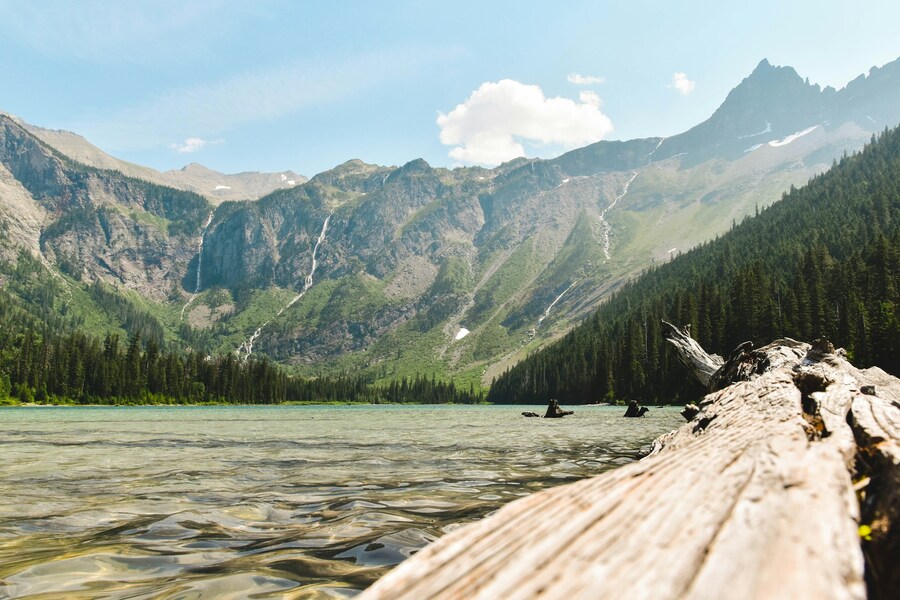
For a more intimate experience on the west side, Sprague Creek and Avalanche Creek offer distinct vibes. Sprague Creek is a smaller, tent-focused area where large RVs are prohibited due to the tight turns of the access road. This creates a quieter atmosphere where the sound of the water dominates. Conversely, Avalanche Creek is positioned further along the Going-to-the-Sun Road, serving as a perfect basecamp for those wishing to hike the popular Trail of the Cedars or the trek up to Avalanche Lake. Because of its central location, this campground fills up almost instantly, making a reservation an absolute necessity.
The rugged solitude of the North Fork and remote outposts
For travelers who find the crowds of Apgar a bit overwhelming, the North Fork region offers a glimpse into Glacier's wilder past. Reaching this area requires a sturdy vehicle and a tolerance for washboard dirt roads. Kintla Lake Campground is the northernmost option and is often cited as the quietest spot in the park. With only 13 sites, it's a haven for those who brought a kayak or a canoe and want to paddle in mirror-like waters without the roar of motorboats. The views of the mountains reflected in Kintla Lake are worth every bump in the road.
Bowman Lake is another North Fork gem, offering nearly 50 sites. While it's more popular than Kintla, it retains a primitive feel. There are no flush toilets here, only vault facilities, and you won't find any cell service. The draw here is the hiking; the trails branching out from Bowman Lake lead deep into the backcountry, where the presence of grizzly bears and wolves is a reality rather than a footnote in a brochure. Logging Creek and Quartz Creek represent the "middle ground" of the North Fork – primitive, tiny, and strictly for those who want to disconnect entirely from the modern world.
Source: everett mcintire/Unsplash
Capturing the high-alpine beauty of the East Side
The eastern side of the Continental Divide is where the landscape turns aggressive and awe-inspiring. St. Mary Campground acts as the eastern anchor. It's large, open, and offers less shade than its western counterparts, but it compensates with staggering views of the peaks. Because it's more exposed to the elements, the wind can be a factor here, but the proximity to the St. Mary Visitor Center and the shuttle system makes it incredibly convenient. This is also one of the best spots for those with large trailers, as the layout is much more forgiving than the wooded sites in the west.
Many Glacier Campground is often called the "heart" of the park by hikers. It's situated in a valley that provides direct access to some of the most famous trails in the world, including the path to Grinnell Glacier and the Iceberg Lake trail. Staying here feels like being in a natural cathedral. The amenities are solid, with running water and flush toilets, and the nearby Many Glacier Hotel offers a touch of Swiss-style architecture and a place to grab a hot meal. If you can only stay in one place in the park, many would argue this should be it, though securing a site here is notoriously difficult.
Further south, Two Medicine Campground offers a more relaxed, old-school atmosphere. Before the Going-to-the-Sun Road was completed, Two Medicine was the primary destination for park visitors, and it retains that historic charm. The sites are well-spaced, and the lake itself is stunning, with the Pray Lake area offering world-class photography opportunities at sunrise. It's a fantastic alternative for those who want the drama of Many Glacier without the extreme density of people.
Transitioning to external lodging and specialized amenities
While staying inside the park is the goal for many, the surrounding communities offer excellent alternatives that sometimes provide more flexibility. Several private campgrounds and RV resorts are located just minutes from the park gates in West Glacier, Coram, and St. Mary. These locations often provide full hookups – water, electricity, and sewer – which are generally unavailable inside the national park. They also frequently feature Wi-Fi, swimming pools, and laundry facilities, making them ideal for long-term travelers or those who need to catch up on chores between backcountry stints.
If you are flying into the region to start your adventure, you might find yourself navigating the logistics of the nearest regional hubs. Many visitors choose to fly into Roanoke-Blacksburg Regional Airport (ROA) if they are combining their trip with other mountain excursions across the country. Managing your vehicle is the first step of any great road trip, and finding reliable ROA Airport parking can ensure your vehicle is secure while you are off exploring the wilderness. Looking for ROA parking deals can help save a bit of your budget, which is better spent on high-quality bear spray or a celebratory meal after a long week of camping. Having your logistics settled at the point of departure allows you to focus entirely on the navigation of the Montana backcountry once you land.
Glamping has also seen a significant rise in popularity near the park. For those who want the aesthetic of a canvas tent and the sound of the wind through the pines without the discomfort of sleeping on the ground, luxury tent sites offer a middle ground. These locations often feature king-sized beds, wood-burning stoves, and even private bathrooms. They provide an "elevated" wilderness experience that allows you to spend your day hiking the Highline Trail and your evening soaking in a freestanding tub or enjoying gourmet s'mores by a communal fire.
The bottom line
Source: Tom Gainor/Unsplash
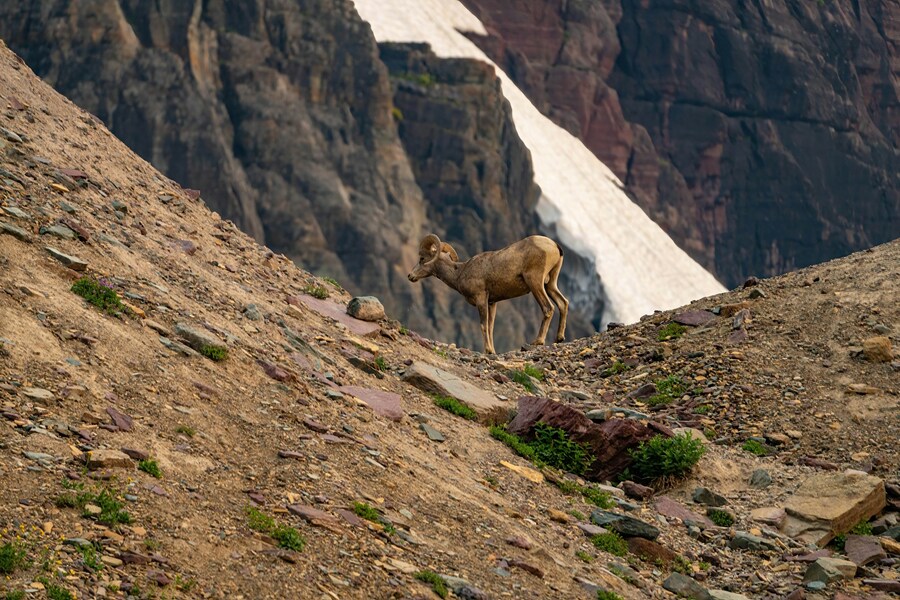
Camping in Glacier National Park is a transformative experience that requires a blend of rigorous planning and spontaneous appreciation for nature. Whether you find yourself in the densely forested sites of Fish Creek or the wind-swept vistas of St. Mary, the park offers a level of immersion that a hotel stay simply cannot replicate. Success in this environment is predicated on respecting the rules – particularly those regarding food storage and bear safety – and acknowledging that you are a guest in a vibrant, wild ecosystem. By understanding the nuances of each campground and the logistical requirements of the reservation systems, you can ensure that your time in the "Crown of the Continent" is defined by the beauty of the landscape rather than the stress of the arrangements. As the sun sets over the jagged peaks of the Garden Wall, the effort of securing that perfect campsite becomes a distant memory, replaced by the profound silence and majesty of one of the world's last truly wild places.


