

In a world that often feels increasingly segmented by digital screens and virtual interactions, the profound value of physical movement across borders has never been more vital. For parents, the decision to embark on an international journey with young children is frequently met with a mixture of excitement and trepidation. Logistical hurdles, the disruption of meticulously planned sleep schedules, and the sheer unpredictability of a toddler in a foreign environment can make a simple staycation seem like the more rational choice. However, focusing solely on the immediate challenges overlooks a transformative reality: travel serves as one of the most potent catalysts for cognitive and emotional development available to the modern human. It isn't merely about the sights seen or the photographs archived; it's about the structural and psychological evolution that occurs when a developing mind is immersed in the unfamiliar.
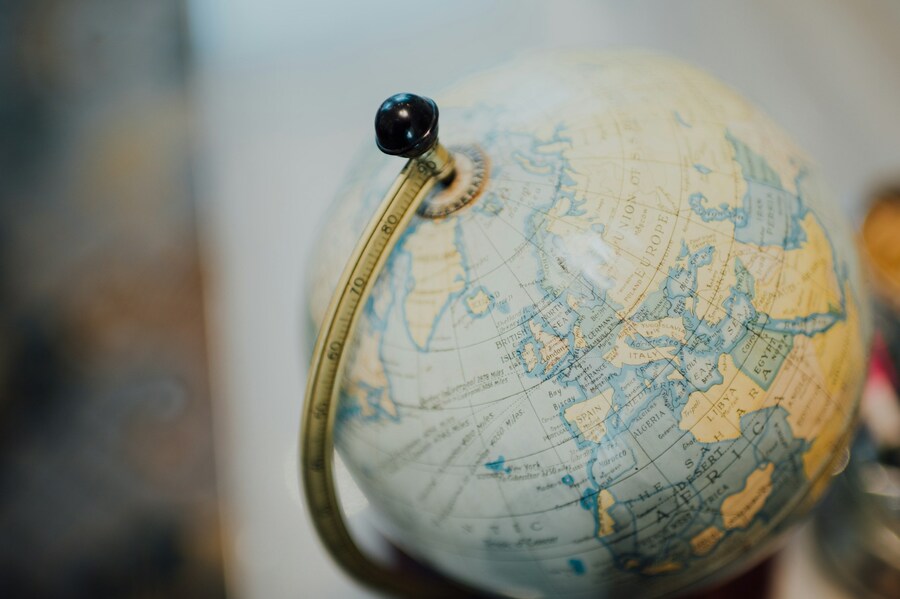
The argument that children won't remember their early travels is a common refrain, yet it fundamentally misunderstands how the human brain integrates experience. While a three-year-old may not retain a narrative memory of a specific sunset in the Mediterranean, the sensory input – the smell of salt air, the cadence of a foreign tongue, the tactile sensation of ancient cobblestones – is hardwired into their neural architecture. These experiences "normalize" diversity before the cement of social bias has a chance to set. By taking children beyond the safety of their neighborhood, we aren't just giving them a vacation; we are providing them with a laboratory for life. The real reason your kids should see the world lies in the invisible, permanent shifts in their character, their capacity for empathy, and their ability to navigate a complex, interconnected global society.
So, why is early global exposure the ultimate developmental tool for the next generation?
Source: CHUTTERSNAP/Unsplash
When we analyze the impact of travel through the lens of developmental psychology, we see that it hits on every major pillar of growth: linguistic, social, and cognitive. Experts agree that the most rapid brain development occurs in the first five years of life. During this window, the brain is incredibly plastic, forming millions of new neural connections every second. Surrounding a child with a variety of stimuli – different landscapes, diverse faces, and varied social norms – acts as a high-octane fuel for this process. Instead of growing up in a mono-cultural bubble where everything is predictable, the traveling child learns that the world is a vast, multifaceted puzzle. This realization builds a unique brand of resilience. When a child learns to navigate the slight discomfort of a long flight or the confusion of a menu they cannot read, they are practicing the art of adaptation. This flexibility becomes a core trait that serves them well into adulthood, allowing them to remain calm and resourceful when faced with the unexpected.
The neuroplasticity of language and sensory immersion
One of the most compelling arguments for early travel involves linguistic development. It's a well-documented fact that infants are "citizens of the world" when it comes to phonemes. A baby is born with the ability to distinguish between the sounds of every language on Earth. However, as they age and are exposed primarily to their native tongue, the brain undergoes a process of "neural pruning," where it loses the ability to recognize sounds that aren't relevant to its immediate environment. By exposing children to various languages in their natural settings – hearing the melodic lilt of Italian in a village square or the tonal complexities of Mandarin in a bustling market – we help keep those linguistic windows open. Even if the child doesn't become fluent in those languages, their brain retains a higher level of "phonetic flexibility." This makes it significantly easier for them to learn second or third languages later in life because the mental categories for diverse speech sounds were maintained rather than discarded.
Moreover, sensory immersion extends beyond sound. The culinary exploration that occurs during travel is a masterclass in sensory integration. Watching a child consider a new food in a foreign country is a study in curiosity. They aren't just eating; they are testing textures, aromas, and flavors that exist outside their domestic norm. This willingness to experiment at the dinner table often translates to a broader openness in other areas of life. A child who has navigated the "scary" experience of trying a local delicacy in a foreign land is statistically more likely to approach new academic subjects or social situations with a sense of "I can handle this" rather than "I am afraid of this." This shift from a fixed mindset to a growth mindset is perhaps the greatest gift a parent can bestow.
Cultivating empathy and dismantling unconscious bias

In an era where social division is often amplified, travel acts as a powerful antidote to prejudice. When children are young, they don't possess the ingrained biases that adults carry. They see other children as potential playmates, regardless of the language they speak or the clothes they wear. By facilitating these interactions early on, parents allow their children to find common ground through play – the universal language of childhood. When a child plays tag with a peer in a public park in Tokyo or shares a toy on a beach in Brazil, they are learning a fundamental truth: humans are more alike than they are different. They see that while the external details of life change, the core emotions of joy, frustration, and curiosity are universal.
Dr. Robin Hancock, a specialist in global education, emphasizes that travel has the potential to create a narrative of similarity. When children see people sweeping their yards, tending to shops, or taking care of their families in different parts of the world, it humanizes the "other." It removes the abstract "us versus them" mentality that so often fuels conflict. Instead, the child grows up with an internal map of the world that's populated by real people and real experiences. This foundational empathy isn't something that can be easily taught through a textbook; it must be felt. It's the result of a thousand small moments – a smile from a street vendor, a helping hand from a stranger when a toy is dropped, or the shared laughter of a communal meal. These moments aggregate into a worldview characterized by tolerance and a genuine interest in the lives of others.
The role of "micro-adventures" and local immersion
To maximize the benefits of travel, it isn't always necessary to visit the most famous monuments or stay in the most luxurious resorts. In fact, many experts suggest that the most meaningful experiences happen in the "in-between" spaces. While the Eiffel Tower or the Statue of Liberty are impressive, they are often crowded and stressful for young children. Conversely, a quiet stroll through a local residential neighborhood can be far more impactful. In these settings, children see the rhythms of everyday life. They see where people buy their groceries, how they commute, and how they interact with their neighbors. This level of immersion allows a child's brain to make connections based on what's familiar to them, effectively bridging the gap between their home life and the world at large.
Creating traditions within these travels also helps solidify the experience. Whether it's a "treasure hunt" for three things they've never seen before or a habit of collecting a specific small memento from every new city, these activities give the child a sense of agency and purpose. It turns the trip into a game, which is the primary way children process information. When a child is an active participant in the journey – choosing which path to take in a park or helping to navigate using a simplified map – they are building executive function skills. They are learning to plan, prioritize, and execute tasks in a dynamic environment. These are the very skills that lead to academic success and professional competence later in life.
The logistical side of these adventures, while sometimes daunting, is also becoming more manageable with modern tools. Strategic planning around transit and logistics can significantly reduce the "friction" of travel. For instance, families traveling through major hubs can find significant relief by utilizing streamlined services for the more mundane aspects of the trip. Efficiently managing the transition from the car to the terminal is a prime example. For those flying out of South Texas, looking into SAT Airport parking can save a considerable amount of time and stress. Finding the right SAT parking deals allows parents to focus their energy on the kids rather than worrying about the safety of their vehicle or the cost of long-term storage. By visiting AirportParking.deals, travelers can secure reliable spots and move through the San Antonio International terminal with much greater ease. This kind of preparation ensures that the journey begins on a calm note, which is essential when traveling with little ones who take their emotional cues from their parents.
The bottom line
Source: WONSUNG JANG/Unsplash
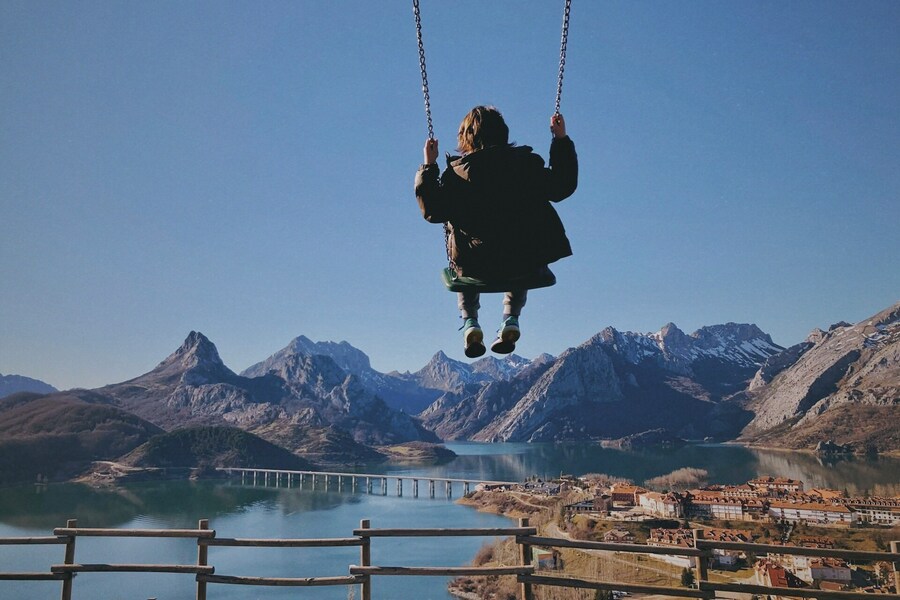
Ultimately, the decision to travel with children is an investment in their future identity as global citizens. While the immediate costs in terms of money and effort are visible, the long-term benefits are often silent and internal. We are raising a generation that will need to solve global problems, collaborate across borders, and navigate a world that's more connected than ever before. To do this effectively, they need more than just technical skills; they need a high level of emotional intelligence and a lack of parochialism. Travel strips away the narrow-mindedness that comes from staying in one place. It challenges the ego and expands the heart.
The memories might fade into the subconscious, but the "feeling" of the world stays. The child who has seen the vastness of the desert, the bustle of a mega-city, and the quiet dignity of a mountain village carries a different perspective into every room they enter as an adult. They are less likely to be afraid of change and more likely to embrace the beautiful complexity of the human experience. So, the next time you hesitate to book that flight because of the potential for a mid-air tantrum or a missed nap, remember that those are temporary inconveniences. The resilience, empathy, and intellectual curiosity your child gains will last a lifetime. The world is a massive, vibrant classroom, and there's no better time for your children to start their first lesson than right now. Seeing the world isn't a luxury for a child; it's a fundamental part of their education in becoming a compassionate, capable, and truly enlightened human being.


