

Modern amusement parks offer unparalleled escapism, but high visitor density requires a sophisticated code of conduct to maintain the magic. While these destinations represent the pinnacle of shared entertainment, the quality of the experience depends on collective adherence to social decorum. Prioritizing mutual respect and situational awareness ensures mechanical efficiency and uninterrupted fun. Conversely, lapses like blocking walkways or disrupting dark rides create ripples of frustration that detract from the experience for everyone. Understanding these social nuances is no longer optional; it's the fundamental framework for a successful getaway. This travel guide explores essential etiquette rules for any United States theme park.
So, what are the essential principles for navigating modern theme parks?
Source: Gabriel Valdez/Unsplash
Mastering theme park visits requires focusing on crowd navigation and interpersonal skills. By prioritizing community-first recreation and behavioral standards, visitors maintain harmony and ensure personal joy doesn't disrupt the collective experience.
1. The art of the fluid walkway
The primary arteries of any major attraction are its walkways. These paths are designed to handle massive flows of human traffic, yet they are frequently crippled by the "sudden stop" phenomenon. Imagine a highway where a driver decides to park in the middle of the fast lane to check a GPS; the result is a catastrophic bottleneck. In a theme park, this occurs when a group stops abruptly to consult a mobile app, adjust a stroller, or debate their next dining choice.
Efficiency in movement is the first rule of park etiquette. If you must stop, it's imperative to "pull over" to the perimeter. Stepping toward a building facade, a planter, or a designated rest area ensures that the flow of thousands of other guests remains unimpeded. This is particularly vital in the era of digital park management, where guests are constantly checking wait times and virtual queue statuses on their smartphones. Walking while looking down at a screen is a recipe for physical collisions and frayed nerves. By designating a "navigator" who steps aside to handle technical logistics, a group maintains its safety and shows respect for the kinetic energy of the crowd.
2. Redefining the integrity of the queue
While everyone understands that physical line-jumping is a violation of park rules, there exists a more nuanced frustration regarding "line holding." The practice of sending one person to wait in a 90-minute queue while the rest of the party enjoys air-conditioned shops or snacks is widely considered a breach of social contract. When a group of 5 suddenly pushes past dozens of waiting guests to join a single person near the boarding area, it creates a palpable sense of injustice and tension.
The unspoken rule dictates that the majority of the party should enter the line together. While exceptions are naturally made for young children needing a restroom break or individuals with specific medical requirements, the systematic rotation of group members is discouraged. Queue integrity is about shared sacrifice. Everyone in that line is enduring the same heat and the same wait; bypass behaviors suggest that your time is more valuable than that of your peers. Moreover, this courtesy extends to viewing areas for parades and evening spectaculars. Claiming a 10-foot stretch of pavement with a single blanket and expecting others to stay back for hours is unrealistic. Space in a theme park is a premium commodity, and it should be occupied by people, not placeholders.
3. Preserving the immersive atmosphere
Theme parks invest billions into "theming" – the intricate details, soundtracks, and performances that make a world feel real. This immersion is fragile and easily shattered by inconsiderate guest behavior. One of the most frequent complaints from regular visitors involves the disruption of "pre-shows" and "dark rides." If a narrator is setting the stage for a haunted mansion or a space voyage, talking loudly over the audio or reciting the script along with the recording ruins the "first-time" magic for those standing nearby.
Moreover, the digital age has introduced the plague of the "glowing screen." On a dark ride designed to hide its machinery in shadows, a guest holding up a bright smartphone to record the entire experience acts as a visual pollutant. The use of flash photography or bright video lights in dark environments is a direct violation of etiquette. Not only does it ruin the visual effects for everyone else, but it also frequently triggers safety sensors that can stop the ride entirely. To be a good guest is to be a quiet observer, allowing the art of the attraction to speak for itself without unnecessary commentary or digital interference.
4. The professionalism of staff interaction
Source: DuoNguyen/Unsplash
The individuals operating the rides, cleaning the midways, and serving the food are the unsung heroes of the vacation experience. These employees are often working long shifts in demanding conditions to ensure guest safety and operational efficiency. A core rule of etiquette is to treat these staff members with unwavering professional respect. When an employee gives an instruction – such as "fill in all available space" or "remain behind the yellow line" – it isn't a personal suggestion; it's a safety or capacity mandate.
Arguing with staff over height requirements, ride closures, or weather delays is both futile and rude. These individuals don't control the mechanics of the park or the whims of the atmosphere. A respectful guest acknowledges the authority of the staff. Simple gestures, like making eye contact and offering a sincere "thank you" as you board a vehicle, can significantly impact the morale of the workforce. When guests are hostile to staff, it creates a toxic environment that trickles down to every other visitor in the vicinity.
5. Respecting the sanctity of character encounters
For many families, meeting a beloved animated or cinematic hero is the emotional centerpiece of the trip. Because these interactions are deeply personal, they require a specific type of patience. It's important to remember that the performers are maintaining a character's persona and narrative. Rushing through a photo op like it's a grocery transaction strips the moment of its value. However, there's a delicate balance to strike: taking an excessive amount of time for dozens of individual poses while a hundred people wait behind you is equally inconsiderate.
The goal is a "quality over quantity" interaction. Engage with the character, take a few meaningful photos, and move along. It's also vital to respect the physical boundaries of the performers. Treat them with the same dignity you would any fellow human being. Parents should also model this behavior for their children, teaching them that the "magic" is a shared resource that must be handled with care and patience.
6. Physical proximity and personal boundaries
In the high-density environment of a theme park, the concept of "personal space" becomes compressed, but it doesn't disappear. In queues, there's often a tendency for guests to press closely against the person in front of them, perhaps under the illusion that it'll make the line move faster. In reality, this only creates discomfort. Maintaining a few inches of "breathing room" in a hot, humid line is a significant act of kindness.
This awareness also applies to visual boundaries. If you are wearing oversized novelty hats or "ears," it's polite to remove them during seated shows or when standing in the front rows of a parade. Your accessories shouldn't become someone else's obstruction. Similarly, if you are filming a fireworks display, hold your phone at chest level rather than over your head. When hundreds of people hold their devices high in the air, they create a wall of screens that blocks the view for everyone behind them, particularly children and those in wheelchairs.
7. The responsibility of group preparedness
Effective etiquette actually begins before you enter the turnstiles. A group that's disorganized – constantly stopping to find tickets, struggling with lockers, or debating where to eat at the front of a crowded counter – creates friction for everyone else. Modern parks rely heavily on mobile ordering and digital reservations. Guests who refuse to familiarize themselves with these systems often end up causing delays at service windows.
Being "park-ready" is a courtesy to the crowd. Have your payment methods ready, know the height of your children before reaching the front of the ride line, and have your bags open for security checks. When a single family takes 5 minutes to find their passes at a gate, they are delaying hundreds of people behind them. Preparation allows your group to move like a well-oiled machine, reducing your own stress and preventing the formation of unnecessary crowds in transition zones.
Navigating logistics and arrivals with our booking platform – AirportParking.deals
Source: Oxana Melis/Unsplash
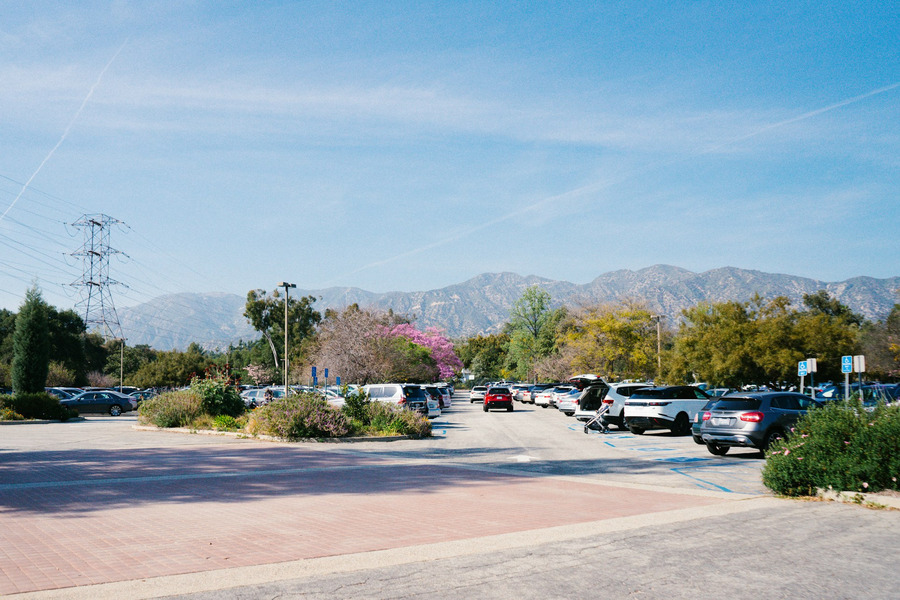
A major component of the domestic theme park experience involves the logistical trek from the hotel to the gate. This often includes navigating massive parking structures and transit hubs. One of the smartest ways to maintain a positive attitude and avoid the "morning rush" stress is to streamline your arrival. For those flying into the region, managing the transition from the airport to the resort is a critical first step.
If you find yourself traveling through major hubs in Texas, you likely know that the scale of the facilities can be overwhelming. To ensure a smooth start to your journey, savvy travelers often look into HOU parking deals to save time and money before they even reach the park. Utilizing services like HOU Airport parking allows you to secure a spot in advance, avoiding the frustration of full lots during peak vacation seasons. By visiting resources, such as AirportParking.deals, you can find affordable options that keep your vehicle secure while you focus on the more important task of enjoying the coasters and attractions. Starting the trip with organized logistics sets a calm tone that carries over into your interactions within the park gates.
The final word
Source: Harry Obahor/Unsplash
Ultimately, the "magic" of a theme park isn't found in the animatronics or the steel tracks of a roller coaster; it's found in the collective spirit of the people who visit. A vacation is a significant investment of time, emotion, and finances. When we enter these gates, we agree to a silent pact: to respect the shared space, to honor the efforts of the staff, and to be mindful of the thousands of individual stories unfolding around us. By adhering to these 7 essential etiquette rules, you transform from a mere consumer of entertainment into a steward of the park experience. Patience, preparation, and a simple "step to the right" can make the difference between a day defined by frustration and one defined by wonder. As the landscape of these destinations continues to evolve with new technology and higher attendance, the timeless value of human courtesy remains the most important tool in any traveler's kit. Respect the journey, respect your peers, and the magic will undoubtedly follow!


