

Mexico City is a sprawling, high-altitude metropolis that often defies expectations. For the uninitiated, it might seem like an overwhelming concrete jungle, but for the savvy traveler, it's perhaps the most rewarding budget destination in North America. This is a place where history is literally layered – Aztec ruins sit beneath colonial cathedrals, which in turn are surrounded by modernist skyscrapers. It's a city of "colonias" (neighborhoods), each with its own distinct heartbeat, from the leafy, bohemian streets of Roma Norte to the ancient, bustling plazas of the Centro Histórico. As the city continues to evolve, it remains a premier global hub where traditional markets coexist with cutting-edge art galleries, providing an endless array of sensory experiences that cater to every type of traveler.
Navigating this megalopolis on a budget doesn't mean sacrificing the quality of your experience. In fact, some of the most authentic and memorable moments in Mexico City are the cheapest. Whether it's standing on a street corner at midnight eating the best pastor tacos of your life for less than the price of a coffee, or riding the sprawling Metro system for a handful of centavos, the city is designed for those who know how to live locally. Modern infrastructure improvements have made the capital more accessible than ever, allowing visitors to traverse vast distances safely and efficiently. The key to a successful low-cost trip lies in understanding the logistical nuances – knowing when to fly, how to avoid the "gringo tax" in tourist-heavy zones, and identifying which world-class museums offer free entry.
So, how can you experience the magic of Mexico City without breaking the bank?
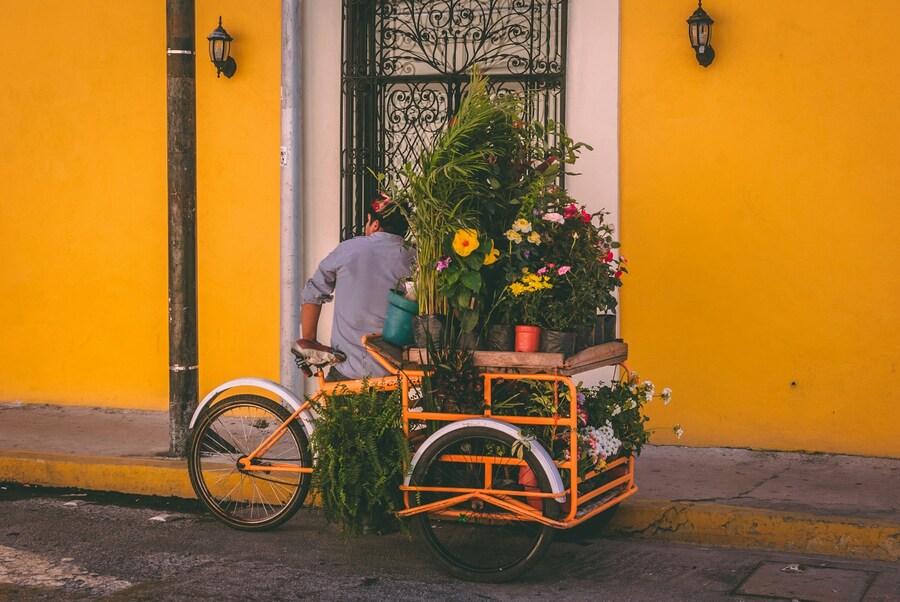 Source: Jorge Zapata/Unsplash
The secret to conquering Mexico City on a shoestring budget is a combination of strategic timing, local immersion, and logistical foresight. While the city has seen a rise in "digital nomad" pricing in certain bubbles like Condesa, the vast majority of the capital remains remarkably affordable. By shifting your focus from the polished tourist corridors to the authentic daily life of "Chilangos" (Mexico City locals), you unlock a level of value that's increasingly rare in global capitals.
Master the art of the "comida corrida" and street food
Food is the soul of Mexico City, and you don't need a reservation at a top-50-global restaurant to eat like royalty. The most effective way to save money on dining is to look for the "comida corrida." These are fixed-price, multi-course lunches served at small, family-run eateries called "fondas." Typically served between 1:00 PM and 4:00 PM, a comida corrida usually includes a starter (like soup or a salad), a "sopa seca" (often rice or pasta), a main dish (guisado), a small dessert, and a "jarra" of flavored water (agua fresca). It's the ultimate budget hack, providing a nutritious, filling meal for roughly the cost of a single latte in the United States.
Beyond the fondas, the street food culture is legendary. From the sizzling "comales" of the morning tamale vendors to the late-night taco stands, street food is a way of life. To stay safe and save money, follow the crowds. If a stand is packed with office workers or locals, the food is fresh and the prices are fair. Avoid eating in the immediate vicinity of major landmarks like the Zócalo or the entrance to Chapultepec Park, where prices can double for inferior quality. Instead, walk three or four blocks into the side streets to find the real deals.
Navigate the city like a local with integrated mobility
Transportation in such a massive city can be a major expense if you rely solely on rideshare apps. While Uber and DiDi are relatively cheap compared to U.S. prices, the costs add up quickly in the city's notorious traffic. The most efficient and cost-effective method of travel is the "Tarjeta de Movilidad Integrada." This single electronic card works across the entire public transit network, including the Metro, the Metrobús, and even the Cablebús (the city's impressive aerial cable car system).
The Metro is one of the cheapest in the world, and while it can be crowded during rush hour, it's often faster than sitting in a car on the congested "periférico." For a truly unique and low-cost sightseeing experience, take the Cablebús Line 2. For just a few pesos, you can soar above the colorful rooftops of the Iztapalapa district, enjoying panoramic views of the valley that would cost fifty times as much at a rooftop bar in Polanco. It's a public utility that doubles as a world-class observation deck.
Time your flights and avoid hidden travel costs
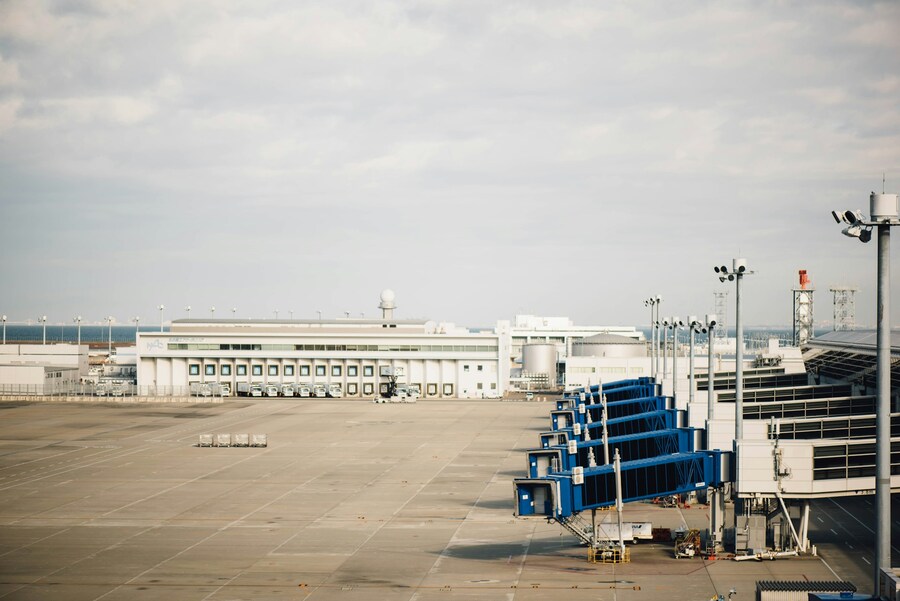
Saving on your trip starts before you even leave home. Flight prices to Mexico City fluctuate wildly based on the season. Avoiding "Semana Santa" (the week before Easter) and the Christmas/New Year period is essential for budget travelers. Instead, aim for the "shoulder seasons" like late spring or early autumn, when the weather is pleasant and the demand for airfare drops. Budget carriers like
Another hidden drain on your budget is the cost of getting to your departure airport. If you are flying out of the Carolinas, for instance, the price of leaving your car at the terminal can be surprisingly steep. Smart travelers look for CLT Airport parking options that offer competitive rates through off-site lots. Utilizing specific CLT parking deals can save you enough money to cover several days of meals in Mexico City. By securing a spot in a long-term lot or a nearby hotel-affiliated parking area, you ensure that your "budget" trip doesn't start with a high-priced parking bill before you've even cleared security.
Exploit the abundance of free cultural experiences
Mexico City is home to more museums than almost any other city in the world, and many of them are surprisingly affordable. However, the real savings come from knowing the "free" schedule. Most state-run museums, including the world-renowned National Museum of Anthropology and the Palacio de Bellas Artes, offer free admission to residents on Sundays. While this makes for a busier experience, it's a great way to see the sights if you're on a tight budget. Even better, many of the city's most impressive sights are always free.
You can spend an entire day exploring the murals of Diego Rivera inside the Secretaría de Educación Pública or wandering through the vast Bosque de Chapultepec – one of the largest city parks in the Western Hemisphere – without spending a single peso. The park is home to lakes, botanical gardens, and "Audiorama," a hidden nook where you can sit on benches and listen to classical music piped through speakers while surrounded by greenery. Don't overlook the neighborhood markets like Mercado de Coyoacán or Mercado de San Juan; they offer a sensory overload of colors and scents that's completely free to enjoy.
Avoid the common tourist traps and scams
One of the fastest ways to blow your budget is falling for the classic tourist traps. The most prominent of these is the "Mariachi" trap at Plaza Garibaldi. While seeing the musicians is a must, be very clear about the price before a song starts, or better yet, just enjoy the music from a distance while sipping a drink at a nearby "pulquería." Similarly, when visiting the floating gardens of Xochimilco, ignore the "official-looking" guides who try to flag your car down blocks away from the docks. Drive or take the "Tren Ligero" directly to the embarcaderos, where the government-mandated prices for boat rentals are clearly posted.
When it comes to shopping, skip the high-end boutiques in the tourist zones and head to the "tianguis" (open-air markets). Markets like La Lagunilla (on Sundays) are perfect for finding unique souvenirs, vintage clothing, and local crafts at a fraction of the price you'll find in a shop in Roma. Just remember that in these markets, a polite bit of bargaining is expected, though always remain respectful of the artisans' work. By staying away from the curated "tourist experiences," you not only save money but also engage more deeply with the city's authentic culture.
The bottom line
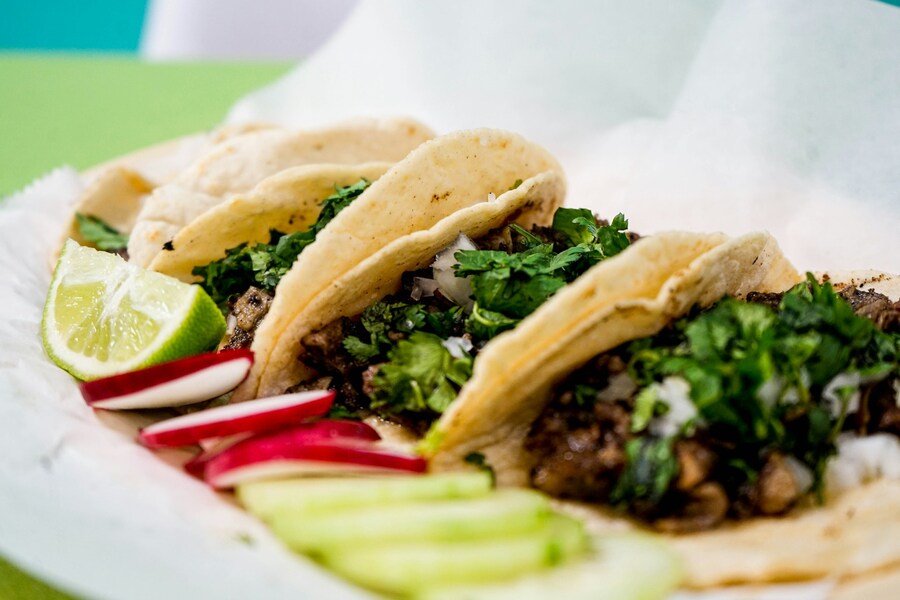
Source: Tai's Captures/Unsplash
Mexico City is a place that rewards the curious and the frugal. It's a destination where your dollar – or peso – goes significantly further than in almost any other global hub, provided you are willing to step outside the air-conditioned comfort of the "tourist bubble." From the sophisticated flavors of a neighborhood fonda to the efficient hum of the Metro, the city is built on a foundation of accessibility. This accessibility is not just about price, but about the welcoming nature of the people who make the capital so vibrant. As you venture into less-traveled neighborhoods, you'll discover that the true richness of the city lies in its diversity and its ability to reinvent itself while remaining anchored in its deep indigenous and colonial roots.
The most expensive way to see Mexico City is also the most boring. By embracing the local pace of life, utilizing public transit, and planning your logistics – including your departure costs and flight timing – you can experience one of the world's most vibrant cultures for a fraction of the cost of a typical vacation. Whether you are wandering through the ruins of Templo Mayor or watching the sun set over the skyscrapers of Reforma, the best parts of the city often cost nothing at all. Plan ahead, eat locally, and let the city's chaotic, beautiful energy guide you into an unforgettable adventure. Taking the time to understand the rhythm of the city allows you to see beyond the surface and connect with a community that's as resilient as it's creative. By the time you leave, you'll realize that the greatest luxury wasn't a five-star hotel, but the authentic stories you gathered along the way.


