

The concept of the business trip has undergone a radical transformation, evolving from a rigid itinerary of boardroom meetings and airport lounges into a fluid opportunity for personal discovery. As global connectivity deepens and the boundaries between professional obligations and personal fulfillment continue to blur, the rise of the "bleisure" traveler has redefined the summer season. This hybrid approach to travel is no longer a niche trend reserved for digital nomads; it has become a strategic lifestyle choice for the modern professional. By effectively extending a corporate engagement into a full-scale vacation, travelers can maximize their time, minimize their environmental footprint, and experience the world without the traditional constraints of a standard one-week holiday. The art of the summer extension lies in the seamless transition from high-stakes negotiations to high-altitude hiking or coastal relaxation, ensuring that the return flight feels less like the end of a chore and more like the conclusion of a well-rounded adventure.
So, how can professionals effectively transform mandatory business travel into a seamless summer vacation?
 Source: Rostyslav Savchyn/Unsplash
The foundation of a successful bleisure trip is built long before the initial takeoff, requiring a sophisticated understanding of corporate policy, airline logistics, and destination geography. To turn a three-day midweek conference into a 10-day immersive experience, one must first master the nuances of the "open-jaw" ticket and the strategic multi-city booking. Rather than simply accepting the round-trip flight provided by a corporate travel department, savvy travelers often negotiate the ability to book their own transit, allowing for a return leg from a completely different city or a delayed departure date that aligns with their vacation goals. This flexibility is the primary lever in extending the summer season, turning a mandatory presence in a secondary hub into a gateway for a broader regional exploration.
Mastering the logistics of ticket manipulation and loyalty loops
Navigating the complexities of modern airfare requires more than just a passing familiarity with booking engines. It demands a deep dive into the specific fare classes that allow for maximum flexibility without triggering excessive corporate oversight. When extending a business trip, the primary objective is to maintain the integrity of the professional expense while layering personal segments on top. Many airlines now offer integrated tools that allow travelers to split their payment methods – charging the baseline business cost to a corporate card while covering the additional vacation legs or date-changes with personal funds. This transparency ensures compliance with company policy while unlocking the ability to linger in a destination long after the final presentation has concluded.
Moreover, the strategic use of airline loyalty programs has reached a new level of sophistication. In the current landscape, points are best utilized not just for upgrades, but for bridging the gap between a business destination and a vacation hotspot. For example, if a corporate flight lands in a major financial center, a small cache of miles can often fund a "hop" to a nearby coastal retreat or mountain village. By treating the business destination as a logistical "base camp," the traveler can explore an entire region with minimal additional financial investment. This approach also allows for a more relaxed pace, as the traveler is already "on site," bypassing the initial exhaustion associated with long-haul transit and diving straight into the recreational phase of their journey.
The evolution of in-flight productivity and digital sanctuary
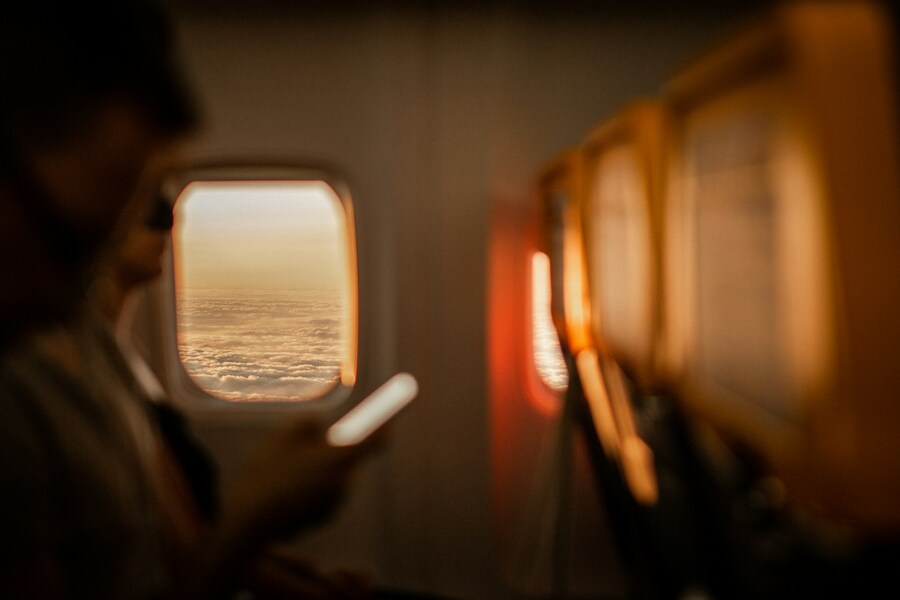
As the transition between work and play becomes more frequent, the flight itself has become a critical workspace. To truly "extend" a summer vacation, one must arrive at the destination with their professional obligations already satisfied. This requires a disciplined approach to the "flying office." Modern cabins are increasingly designed to facilitate this, with high-speed satellite connectivity and ergonomic seating that mimics a desk environment. The goal is to complete all pressing tasks during the transit phase, effectively "buying back" time that would otherwise be spent in a hotel room catching up on emails. By the time the wheels touch the tarmac, the mental shift from executive to explorer should be nearly complete.
However, productivity is only half of the equation. The other half is the preservation of energy. Frequent travelers are now prioritizing "circadian-friendly" travel, selecting flights that align with their natural sleep patterns or utilizing advanced lighting and temperature controls in premium cabins to mitigate the effects of jet lag. Arriving refreshed is a prerequisite for a bleisure extension; if the first two days of a vacation are spent recovering from the business leg of the trip, the extension loses its primary value. Therefore, the selection of the aircraft type and the timing of the flight are just as important as the destination itself.

Source: Ethan Robertson/Unsplash
Navigating the cultural shift toward "Slow Bleisure"
There's a growing philosophical shift in the way we perceive these trips, moving away from the frantic "check-box" tourism of the past toward a more deliberate, slow-paced immersion. This "Slow Bleisure" movement encourages travelers to stay in one location longer, rather than trying to cram multiple cities into a single extension. By staying in the same city where the business meeting occurred, the traveler can transition from a luxury business hotel to a more local, residential neighborhood. This provides a dual perspective of the city: the high-powered, professional side and the quiet, authentic daily life of the residents.
This extended stay also facilitates a deeper connection with the local environment. Instead of rushing through major landmarks, the bleisure traveler has the luxury of time – time to find the perfect neighborhood cafe, time to visit a museum on a quiet Tuesday afternoon, and time to engage in community events that are often missed by those on a strict three-day schedule. This depth of experience is what truly differentiates a summer extension from a standard vacation. It transforms the trip from a temporary escape into a meaningful chapter of one's life, where the professional and personal aren't in conflict, but rather enhance one another.
The role of smart infrastructure in reducing travel friction
Efficiency is the silent partner of the successful traveler. To make the most of a summer extension, one must minimize the "friction" points of travel: security lines, baggage claims, and transit to the airport. The modern traveler relies heavily on biometric systems and pre-clearance programs that allow for near-instant movement through terminals. When every hour saved at the airport translates to an extra hour on the beach or the trail, these technical advantages become indispensable.
Moreover, the way we handle our belongings has changed. The rise of high-end luggage delivery services and "rental-at-destination" models for specialized gear – like padel rackets or hiking equipment – means that the business traveler no longer needs to haul a massive suitcase through their corporate meetings. One can arrive with a sleek carry-on for the professional segment and have their vacation wardrobe or sporting equipment waiting for them at their post-meeting resort. This separation of "work gear" and "play gear" is a psychological trick as much as a logistical one, helping to demarcate the end of the corporate obligation and the beginning of the holiday.
Strategic parking and ground logistics: the final piece of the puzzle
While much focus is placed on the flight and the destination, the beginning and end of the journey – the ground logistics – often dictate the overall stress level of the trip. For those departing from smaller regional hubs, the convenience of local infrastructure cannot be overstated. High-quality HPN Airport parking solutions, for instance, provide a level of predictability that's essential when coordinating a complex multi-leg itinerary. Utilizing HPN parking deals allows travelers to secure their vehicles in a safe, accessible location without the exorbitant costs often associated with long-term terminal stays. By streamlining this initial step, the traveler ensures that their transition from the office to the airport is as smooth as the rest of their journey, leaving more mental space to focus on the upcoming transition from business to leisure.
Redefining success through the lens of the extended summer
The ultimate goal of the bleisure summer extension is to achieve a state of "travel harmony," where the demands of a career don't eclipse the necessity of rest and exploration. In a world that often demands constant availability, the ability to carve out a week of personal time from a three-day business trip is a form of professional rebellion. It's a declaration that our time is our most valuable resource and that we should be the primary beneficiaries of our travel schedules.
As we look at the future of global movement, it's clear that the distinction between "business travel" and "vacations" will continue to fade. The most successful professionals will be those who can navigate both worlds simultaneously, using their corporate obligations as a springboard for their personal passions. The summer extension isn't just a hack; it's a blueprint for a more integrated, fulfilling way of living. It encourages us to look at a flight map not as a series of work-related points, but as a web of possibilities waiting to be explored.
The final word
Source: Kaja Reichardt/Unsplash
In conclusion, the transformation of corporate travel into a personal summer extension is a sophisticated art form that rewards the meticulous planner and the adventurous spirit alike. It requires a balance of logistical savvy, professional transparency, and a genuine desire to engage with the world beyond the boardroom. By mastering the nuances of ticket flexibility, leveraging the latest in-flight technologies, and prioritizing ground-level efficiency, travelers can reclaim their time and redefine the boundaries of their professional lives. The bleisure trend is a powerful reminder that our work should enable our lives, not replace them. As the summer months unfold, those who embrace this hybrid model will find themselves not just more productive, but more inspired, returning to their desks with a sense of perspective that only a truly well-extended journey can provide. Whether you are finding the best local parking solutions or navigating the intricacies of a multi-city flight path, the goal remains the same: to make every mile count and every destination a home for a few extra days of sunshine.


