

The golden age of aviation was once defined by white-glove service and expansive legroom, but the modern era of travel is defined by a different kind of luxury: the luxury of strategic efficiency. As major hub airports become increasingly congested, expensive, and difficult to navigate, a new philosophy of travel has emerged among seasoned globetrotters. This approach focuses on the periphery, looking toward the sprawling landscapes of the American West and the Southwest to find value where others see only distance. This "Neo-Western" movement in air travel prioritizes the use of secondary airports – those smaller, often overlooked gateways that sit just outside the shadow of massive international hubs. By shifting your focus from the primary concrete jungles to these desert and mountain outposts, you unlock a level of financial and logistical freedom that traditional booking methods simply cannot provide.
Navigating the skies in the current landscape requires more than just a passport and a credit card; it demands a deep understanding of how airline networks have evolved. Major carriers have tightened their grip on primary hubs, leading to inflated landing fees and, consequently, higher ticket prices for consumers. However, the rise of specialized budget carriers and the expansion of regional infrastructure have made secondary airports more viable than ever before. These locations are no longer just stops for prop planes; they are sophisticated hubs offering modern amenities, biometric processing, and, most importantly, direct access to some of the most stunning landscapes in North America without the premium price tag associated with major metropolitan centers.
So, how can you master the art of secondary airport logistics?
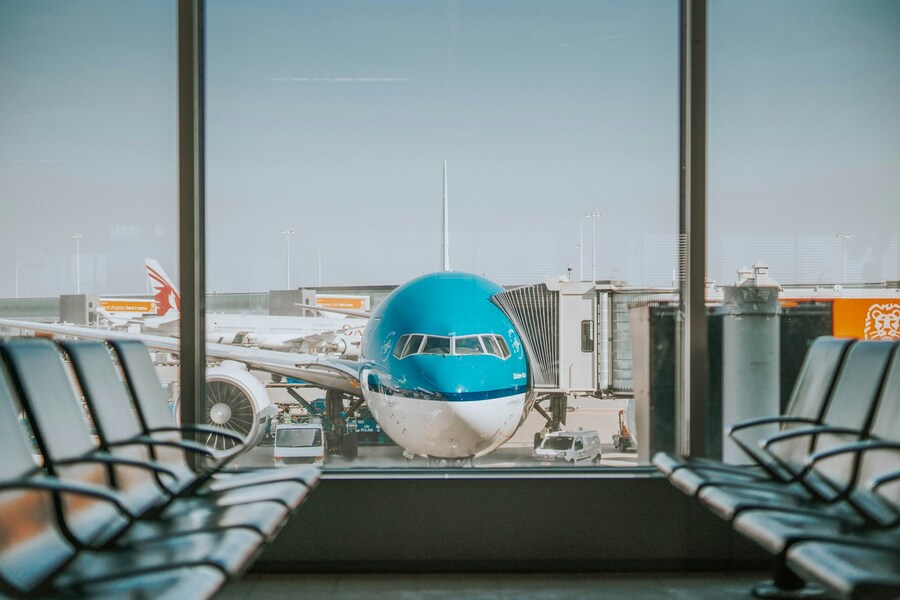 Source: Oskar Kadaksoo/Unsplash
The fundamental challenge of modern air travel lies in the friction created by volume. When tens of millions of passengers pass through a single point annually, every process – from security screening to baggage claim – slows down significantly. Secondary airports operate on a different scale, offering a streamlined experience that can save hours of transit time. To truly master this "hack," one must first redefine what it means to arrive at a destination. Often, flying into a secondary airport like Ontario instead of Los Angeles, or Mesa instead of Phoenix, provides a much faster door-to-door transit time despite the initial distance from the city center. The lack of terminal congestion means you spend less time idling on the tarmac and more time moving toward your final destination.
Strategic booking in this Neo-Western context relies heavily on understanding the "split-ticket" phenomenon. Rather than booking a single, expensive legacy carrier flight into a major city, savvy travelers are now combining low-cost regional legs into smaller airfields. This requires a bit more planning regarding layovers and baggage transfers, but the cost savings are often substantial. Moreover, secondary airports frequently offer lower taxes and facility fees, which are passed directly to the passenger. When you multiply these savings across a family or a long-duration trip, the secondary airport strategy transforms from a niche trick into a primary financial pillar of your travel planning.
Redefining the geography of value
The American West is particularly well-suited for this approach due to the sheer geographic spread between its major cities and the strategic placement of regional airfields. Places like Reno, Boise, and Albuquerque serve as vital arteries that are often underserved by the average tourist but highly prized by the strategic traveler. These airports act as gateways to national parks and outdoor recreation hubs, allowing you to bypass the urban sprawl of primary entry points. By focusing on these locations, you aren't just saving money; you are positioning yourself closer to the "authentic" experience of the American frontier. The quiet efficiency of a smaller terminal, where the staff isn't overwhelmed by thousand-person queues, sets a much more composed tone for the beginning of any journey.
Moreover, the technology integrated into these smaller hubs has kept pace with – and in some cases exceeded – the tech found at larger counterparts. Many secondary airports have been quicker to adopt seamless biometric boarding and advanced TSA screening tech because their smaller footprints allow for easier infrastructure overhauls. This creates a paradox where the "lesser" airport actually provides a more futuristic and frictionless experience. When your face is your boarding pass and your luggage is tracked with high-precision digital tagging in a terminal that isn't overcrowded, the stress of air travel evaporates, leaving only the excitement of the trip itself.
The connectivity advantage of specialized carriers
A significant driver of the Neo-Western hack is the aggressive expansion of point-to-point airlines. Unlike the hub-and-spoke models used by legacy carriers, these airlines specialize in connecting smaller cities directly. This eliminates the need for stressful connections in massive, confusing hubs where a 20-minute delay can ruin an entire itinerary. Flying directly from a secondary airport in the Midwest to a secondary airport in the Southwest is the ultimate efficiency play. It reduces the number of takeoffs and landings – the most common points of failure in any flight schedule – and ensures that your luggage stays on a single aircraft throughout the journey.
This shift toward point-to-point travel also benefits the local economies of these smaller regions, leading to better ground transportation options and improved airport amenities over time. We are seeing a renaissance of regional lounges and high-quality local dining within these terminals, replacing the generic fast-food chains found in massive hubs. This allows travelers to experience a taste of the local culture before they even leave the airport. The intimacy of these spaces fosters a sense of community that's entirely absent in the cavernous, impersonal halls of the world's busiest airports.

Source: anne-marie robert/Unsplash
Leveraging ground logistics for maximum savings
One of the most overlooked aspects of the secondary airport strategy is the cost of ground logistics. While a ticket to a major hub might occasionally appear cheaper on the surface, the ancillary costs of parking, ride-shares, and car rentals at these locations are often exorbitant. Secondary airports almost universally offer more competitive rates for long-term parking and more accessible rental car facilities. Instead of taking a shuttle bus for 30 minutes to reach a remote rental lot, many smaller airports have car rentals located directly across from the baggage claim. This convenience factor has a tangible value, especially when traveling with heavy gear or family members.
Parking, in particular, is a domain where the secondary airport hack shines. Major hubs often charge premium rates for convenience, forcing travelers into distant "economy" lots that are anything but economical. In contrast, smaller airports or those located in slightly more suburban environments provide much more flexibility. For travelers exploring the Northeast corridor or heading toward the Great Lakes before jumping to the West, looking at regional alternatives can drastically reduce the total trip cost. This is especially true when considering the long-term storage of a vehicle during an extended getaway.
For those planning to traverse the northern regions or looking for a reliable departure point near the border, managing your vehicle's security and cost is paramount. Finding the right BUF parking deals can make a significant difference in your overall travel budget, allowing you to allocate those saved funds toward experiences at your destination rather than administrative overhead. Utilizing a dedicated service for BUF Airport parking ensures that your journey begins with the same level of efficiency that the secondary airport hack provides at your arrival point. By securing a spot through a reliable platform like AirportParking.deals, you bypass the uncertainty of drive-up rates and guarantee a seamless transition from the road to the sky.
The future of strategic air travel
The evolution of the "Neo-Western" desert hack represents a broader shift in consumer behavior toward intentionality and value. We are moving away from a world where we blindly follow the most advertised routes and toward a world where we curate our own paths based on data, efficiency, and personal comfort. Choosing the secondary airport is a statement of independence from the traditional stresses of the aviation industry. It's a recognition that the journey itself should be as refined as the destination, and that the best way to see the world is often through the gates that others forget to check.
As aviation technology continues to advance, the gap between major hubs and secondary airports will continue to close in terms of capability, but the gap in terms of experience will likely widen. The smaller airports will retain their charm and speed, while the larger hubs struggle to manage the sheer weight of global demand. By adopting these hacks now, you aren't just saving money on a single flight; you are training yourself to navigate the future of global mobility. The desert is calling, and the best way to answer is through the quiet, efficient, and affordable terminals that dot the American landscape. Embrace the periphery, master the logistics of the secondary airfield, and rediscover the joy of a flight that's as smooth as the horizon.
Conclusion
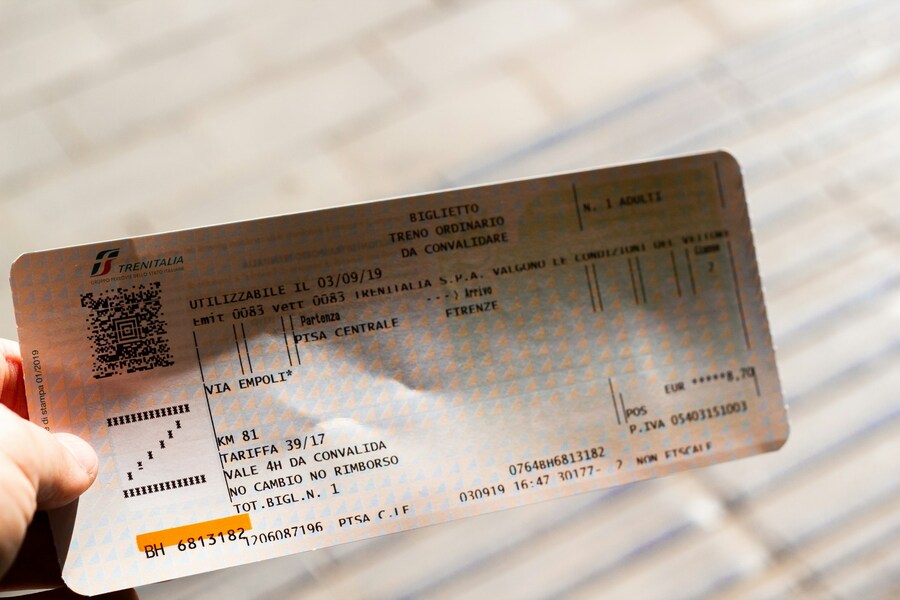
Source: Taylor Flowe/Unsplash
Ultimately, the success of your travel hinges on your willingness to look beyond the obvious. The Neo-Western hack is more than a set of rules; it's a mindset that values time as much as money and comfort as much as speed. Whether you are chasing the sunset across the plains or heading into the heart of a mountain range, the secondary airport is your most powerful tool. It offers a bridge between the digital precision of modern booking and the rugged, expansive freedom of the American West. By moving away from the "hub mentality," you gain access to a world where travel is no longer a series of obstacles but a seamless transition between environments. Set your alerts, check the regional maps, and prepare to experience air travel the way it was always meant to be: effortless, affordable, and entirely on your own terms. In an era of mass-market fatigue, finding these hidden gateways allows you to preserve your energy for the adventure ahead. The sky is no longer the limit; it's the playground for those who know where to look!


