

The landscape of modern aviation has transformed into a complex web of digital interfaces, high-frequency routes, and an ever-evolving set of consumer expectations. For the seasoned traveler, the quest for the ultimate air travel hack often leads to the door of "split ticketing" or "self-transfer" bookings. This strategy, which involves purchasing separate tickets from different airlines to reach a final destination, promises significant cost savings and access to unique routes that traditional carrier alliances might not offer. However, as we navigate the current era of global transit, the thin line between a brilliant financial maneuver and a logistical nightmare has become more precarious than ever. While the allure of saving hundreds of dollars is powerful, the structural risks inherent in multi-airline bookings demand a sophisticated understanding of the aviation industry's inner workings.
So, is the financial reward of split ticketing worth the operational risk?
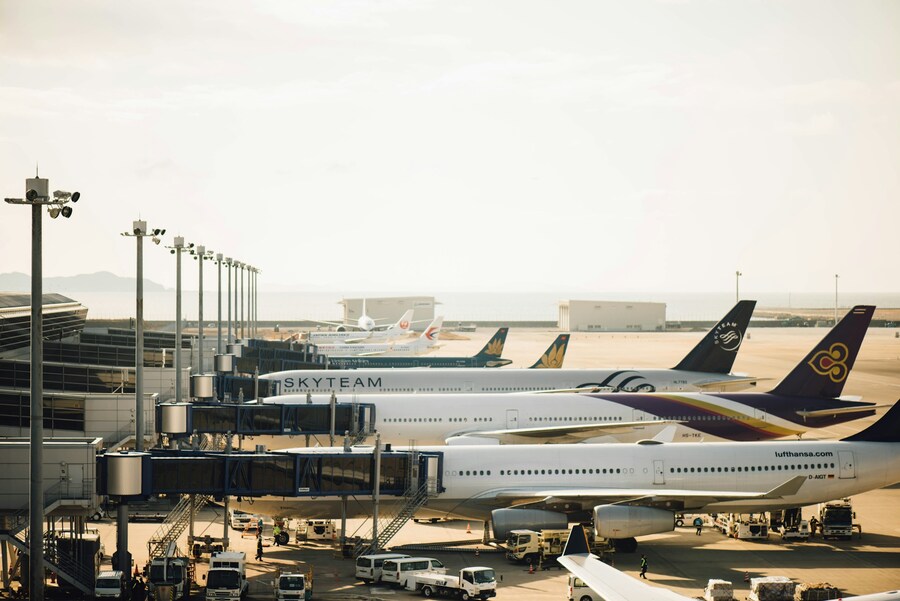
 Source: Ed Hardie/Unsplash
To answer this question, one must first dismantle the illusion of a seamless journey. In a standard through-booked itinerary, the airline holds a legal and operational responsibility to deliver the passenger to their final destination. If a flight is delayed or canceled, the carrier is obligated to rebook the traveler, provide accommodation if necessary, and ensure that luggage is transferred between aircraft. When a traveler opts for split tickets, they are essentially acting as their own travel agent and ground handling coordinator. Each leg of the journey is a distinct legal contract. If the first airline arrives late, causing the passenger to miss the departure of the second airline, the second carrier is under no obligation to provide a refund or a free seat on the next flight. In the eyes of the second airline, the passenger simply failed to show up for their scheduled departure.
This fundamental lack of connectivity is the primary "danger" referred to in modern travel circles. The complexity of the global airspace means that even minor disruptions – a short staff shortage at a regional air traffic control center, a sudden weather cell, or a technical glitch in a digital check-in system – can ripple through a traveler's schedule. Without the protection of a single
The evolution of self-transfer protection services
As the risks of split ticketing have become more apparent, the market has responded with third-party protection services. Many online travel agencies now offer "self-transfer guarantees" which promise to cover the cost of new flights if a connection is missed. While these services provide a layer of psychological comfort, they aren't a panacea. The fine print of these guarantees often requires the traveler to contact the agency immediately, sometimes through limited communication channels, and wait for approval before booking a new flight. In a fast-moving airport environment, where every minute counts toward catching the last flight of the day, these bureaucratic hurdles can be frustrating. Moreover, these guarantees rarely cover the secondary costs of a missed connection, such as pre-paid hotel stays, missed car rentals, or the professional consequences of arriving a day late to a vital meeting.
Luggage logistics and the hidden time tax
One of the most overlooked aspects of multi-airline bookings is the physical movement of baggage. In a protected connection, bags are checked through to the final destination. In a split-ticket scenario, the traveler must exit the secure side of the airport, wait at the baggage carousel to reclaim their suitcases, and then proceed to the check-in counters of the second airline to re-check their luggage. This process necessitates clearing security and, in many international hubs, passing through immigration and customs.
This "hidden time tax" significantly inflates the minimum connection time required for a safe journey. While a 60-minute connection might be feasible for a through-booked flight, a split ticket might require a minimum of four to five hours to account for potential delays, baggage handling, and security queues. For many travelers, the time lost sitting in airport terminals outweighs the monetary savings achieved by booking separate carriers. The physical and mental exhaustion of navigating multiple check-in processes and security screenings also takes a toll, turning what should be an exciting journey into a grueling endurance test.
Entry requirements and transit visa complications
The geopolitical landscape of international travel remains fluid, and split ticketing adds a layer of complexity to visa requirements. When a passenger is on a through-booked itinerary, they are often considered "in transit," allowing them to stay in the international zone of an airport without a formal visa for that country. However, because split ticketing usually requires the passenger to exit the secure area to collect baggage or re-check in, they must officially enter the country.
This requirement means that the traveler must meet all entry criteria, including holding a valid tourist or transit visa, even if they only plan to stay in the country for three hours. Many travelers have been denied boarding at their point of origin because they didn't possess the necessary visa for their "transfer" point, a mistake that's much easier to make when booking legs independently. The responsibility for verifying these requirements rests solely on the passenger, and airlines are notoriously strict about enforcing these rules to avoid heavy fines from immigration authorities.
The impact of schedule changes months in advance
Another significant risk of split ticketing involves the long-term stability of flight schedules. Airlines frequently adjust their timetables months in advance, shifting departure times by minutes or even hours. When these changes occur within a single booking, the airline's system automatically flags "minimum connection time" violations and alerts the passenger to find an alternative.
In a split-ticket scenario, Airline A has no knowledge of your flight with Airline B. If Airline A moves their arrival time 30 minutes later, and Airline B moves their departure time 30 minutes earlier, a once-comfortable two-hour connection can suddenly shrink to one hour – an impossible window for a self-transfer. Because these changes happen independently, the traveler must constantly monitor every leg of their journey. If a schedule change creates an impossible connection, the traveler may be forced to pay change fees to adjust their second flight, effectively erasing any initial savings.
Strategies for mitigating self-transfer risks
For those who still wish to pursue the savings of split ticketing, certain strategies can reduce – though never entirely eliminate – the risks. The most effective method is to allow for an "overnight" connection. By booking the second leg for the following morning and staying in an airport hotel, the traveler creates a massive buffer that can absorb almost any standard delay. While the cost of a hotel room must be factored into the total "savings," the peace of mind and the opportunity to rest can be worth the investment.
Another tactic involves choosing airports specifically designed for easy transfers. Some modern hubs have streamlined the process for self-transferring passengers, offering dedicated kiosks or baggage drop-off points that don't require a full exit from the terminal. However, these facilities are the exception rather than the rule. In addition, traveling with carry-on luggage only is perhaps the single most effective way to simplify a split-ticket journey. Eliminating the baggage carousel and re-check process can save over an hour of time and remove one of the most stressful variables from the equation.
The role of technology and real-time monitoring
The modern traveler has more tools at their disposal than ever before. Utilizing flight tracking apps that provide real-time updates on incoming aircraft can give a traveler an early warning of potential delays. Knowing that your first flight is delayed while you are still at your origin allows you to start looking for solutions or contacting the second airline before you even land at the transfer hub. Some travelers also utilize specialized travel insurance policies that specifically cover "independent traveler" or "self-transfer" disruptions. These policies are different from standard trip cancellation insurance and are designed to reimburse the costs of new tickets in the event of a missed connection between separate bookings.
Regional considerations and infrastructure
The viability of split ticketing also depends heavily on the region of travel. In Europe, the density of low-cost carriers and the integration of the Schengen Area make self-transfers relatively common and manageable. In contrast, traveling through major North American or Asian hubs often involves massive terminal distances and rigorous security protocols that make split ticketing much more hazardous. The physical infrastructure of the airport – such as whether it requires a train or bus to move between terminals – should be a primary consideration when calculating the necessary connection time.
Moreover, the rise of "virtual interlining" platforms has sought to automate the split-ticketing process. These platforms use algorithms to find the cheapest combinations of flights across different airlines and bundle them into a single purchase. While this simplifies the booking process, it doesn't change the underlying legal reality: you are still holding two separate tickets. Travelers should be wary of assuming that a "bundled" price through a third-party site carries the same protections as a traditional interline agreement between major carriers.
When planning a complex journey that might involve multiple airlines, the logistics of getting to and from the airport also play a role in the overall stress levels of the trip. For those flying out of major hubs like Washington Dulles International (IAD), ensuring that the start of the journey is seamless is vital. Researching IAD parking deals can save time and money right at the beginning of the trip, allowing the traveler to focus their energy on the more complex aspects of their multi-airline itinerary. Having a reliable plan for your vehicle means one less variable to worry about if your return journey via split tickets ends up being delayed, ensuring that you don't face unexpected hurdles upon finally arriving back home.
The bottom line
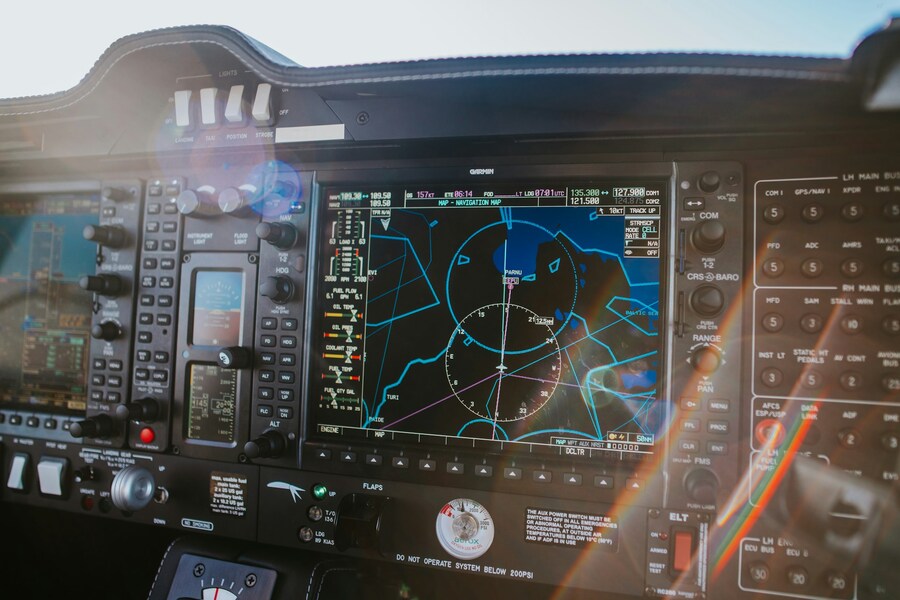
Source: Oskar Kadaksoo/Unsplash
Split ticketing is a potent hack for beating rising transit costs, but it demands extreme caution. By moving from a through-booked itinerary to multi-airline bookings, you accept full responsibility for every connection. This strategy requires high travel literacy, constant monitoring, and a financial safety net for potential disruptions. In modern aviation, price is only one part of the value equation; time, reliability, and peace of mind are equally vital commodities. While independent bookings offer savings for flexible trips, the protection of a unified booking remains the gold standard for high-stakes travel. Ultimately, the best hack is the one that actually gets you to your destination. Balance your budget against your risk tolerance for a successful journey. Safe travels and blue skies!


