

The visa process has transitioned into a digital-first landscape, making embassy appointments the most significant hurdle for modern international travelers. As global demand for consular services continues to outpace available slots, a competitive environment has emerged where seconds determine travel success. This scarcity has fueled a specialized industry focused on automation, using software bots to monitor and secure elusive appointments the moment they appear on government portals. While these tools offer a solution to bureaucratic delays, they also introduce critical risks regarding data privacy and application validity. Navigating this high-stakes intersection of technology and diplomacy has become the ultimate travel hack for those seeking to avoid month-long wait times. To help you master these complexities, this travel guide explores the mechanics and ethics of appointment automation.
So, is using a bot for visa appointments the right move for your travel plans?
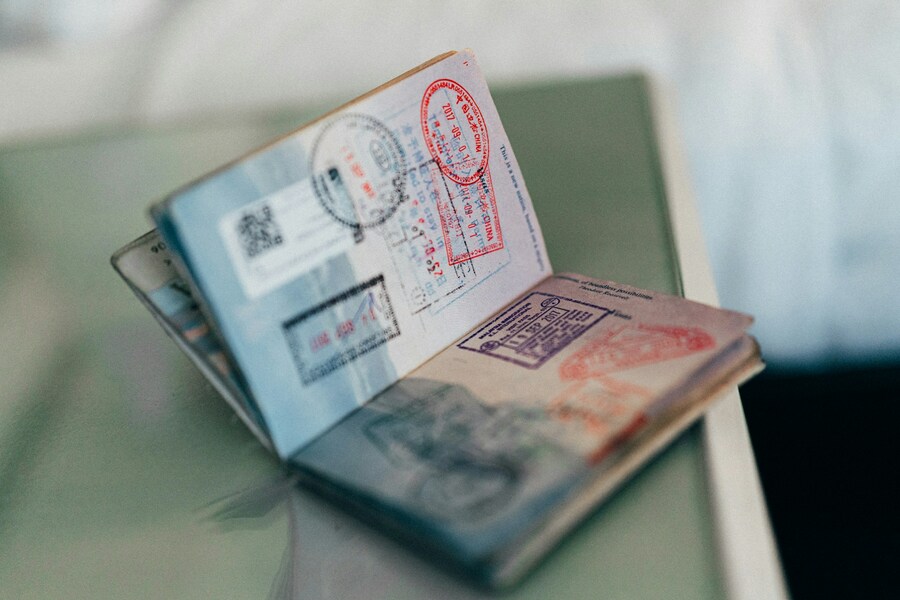 Source: Kit/Unsplash
The emergence of visa appointment bots is a direct response to the "refresh culture" that has plagued embassy websites. For those unfamiliar with the term, these bots are automated scripts or programs that continuously scan the appointment scheduling systems of various consulates. When a slot opens up – perhaps due to a cancellation or a new block of dates being released – the bot either notifies the user immediately via a push notification or, in some cases, automatically fills in the applicant's details to secure the spot. On the surface, this appears to be a life-saver for business travelers with tight deadlines or families planning once-in-a-lifetime holidays. However, the decision to utilize such tools is rarely straightforward, as it sits at the intersection of technological convenience and diplomatic security.
The rise of automation in consular services
The shift toward automation began as a grassroots effort by tech-savvy developers who were frustrated by the inefficiency of official portals. Initially, these were simple browser extensions that would refresh a page and sound an alarm if the HTML code changed. Today, the ecosystem is far more sophisticated. We now see professional services that offer "appointment insurance" or "slot tracking" for a fee. These platforms utilize high-speed servers and sophisticated algorithms to bypass rate-limiting measures implemented by embassies. The primary benefit is undeniable: it saves hundreds of hours of manual labor. Instead of a traveler waking up at 3:00 AM to check for new slots, the bot performs this task with tireless precision. This level of automation has become particularly prevalent for high-demand destinations in Europe and North America, where wait times can sometimes stretch into the following year.
Ethical considerations and the "digital divide"
There's an ongoing debate regarding the fairness of using bots in the visa process. Critics argue that these tools create an uneven playing field, where only those who can afford a subscription or have the technical knowledge to run a script can access travel. This "digital divide" can push low-income travelers or those from less tech-oriented backgrounds to the back of the line. Moreover, some embassies have taken a hardline stance, viewing the use of bots as a form of "gaming the system." When a bot occupies a slot, it effectively denies a manual user the chance to book it. This has led to a cat-and-mouse game between consular IT departments and bot developers. Many portals now use advanced CAPTCHA systems and biometric behavioral analysis to detect non-human traffic, which can result in the temporary or permanent IP blocking of the user involved.
Technical risks and data security concerns
One of the most overlooked aspects of using third-party bots is the security of personal information. To function effectively, many automated booking services require sensitive data, including passport numbers, full names, dates of birth, and sometimes even payment details. Entrusting this data to an unverified third-party developer is a significant risk. If the bot service is compromised, this information can be sold on the dark web or used for identity theft. Travelers must exercise extreme caution and perform due diligence before providing their credentials to any automated platform. A "free" bot found on a forum might be a front for a data-harvesting operation. The safest approach is often to use "notification-only" bots that don't require login credentials but simply alert you when a change is detected, allowing you to log in manually and complete the process.
The impact on consular operations
From the perspective of an embassy, bots are often seen as a nuisance that puts unnecessary strain on their servers. High-frequency pings from thousands of automated scripts can lead to website crashes, which then hinders the ability of the consulate to process applications efficiently. In response, many governments have updated their terms of service to explicitly ban the use of automated tools. If a consular officer suspects that an appointment was secured via a bot, they may have the authority to void the appointment or scrutinize the application more heavily. This adds a layer of anxiety to an already stressful process. However, some forward-thinking consulates are beginning to recognize that the demand for better UX (User Experience) is what drives bot usage. They are gradually implementing their own waitlist systems and notification services to bridge the gap and reduce the need for external automation.

Source: Alex Knight/Unsplash
Alternatives to using bots
While the allure of a bot is strong, there are several manual strategies that can be just as effective if executed with discipline. Most embassies release new appointments on a specific schedule, often at the start of the week or at the beginning of the month during business hours. Understanding these patterns can give a traveler a significant advantage. In addition, cancellations are more frequent than one might think. Regularly checking the portal during "off-peak" hours, such as late at night or during the middle of the workweek, often yields success. Another effective strategy is to look at smaller consulates within the same jurisdiction. If you live in a major hub like New York or London, the wait times will naturally be higher. However, a consulate in a smaller city might have much shorter queues, provided you are willing to make the trip for the interview.
The role of travel agencies and professional consultants
For those who find the technicalities of bots too daunting and the manual search too exhausting, professional visa consultants remain a viable middle ground. These agencies often have staff dedicated to monitoring systems or possess a deep understanding of the specific consulate's workflow. While they might use their own internal tools, they also provide a layer of human oversight and accountability that a standalone bot lacks. They can ensure that all paperwork is meticulously prepared, reducing the risk of a rejection after the hard-earned appointment is finally secured. In the context of a high-stakes business trip or a move abroad, the cost of a consultant is often seen as a necessary investment rather than an optional luxury.
Navigating the future of digital diplomacy
As we move further into a world of "digital nomadism" and globalized labor, the pressure on visa systems will only increase. We are likely to see a shift toward more integrated systems where the visa application is tied directly to the airline booking or biometric passport data, potentially eliminating the need for separate appointments for certain low-risk travelers. Until that day comes, the "embassy bot" remains a controversial but effective tool in the traveler's arsenal. It represents the modern human desire to optimize every aspect of life through technology, even the most rigid and bureaucratic ones.
Preparing for the appointment once secured
Securing the slot is only half the battle. Once you have your date and time confirmed, the focus must shift to preparation. Embassies are notorious for their strict adherence to documentation requirements. A single missing photocopy or an incorrectly sized photograph can result in immediate dismissal, forcing you back into the bot-fueled lottery for a new slot. It's advisable to create a comprehensive checklist based on the latest consular guidelines. This includes proof of financial means, travel insurance, detailed itineraries, and letters of invitation where applicable. Organizing these documents in a clear, accessible folder not only speeds up the interview but also projects an image of a prepared and responsible traveler, which can subtly influence the officer's decision.
Logistics beyond the embassy walls
Successful air travel isn't just about the visa; it's about the entire chain of logistical decisions that lead up to the flight. This includes everything from packing efficiency to ground transportation. Travelers often spend so much energy on the "big ticket" items like the visa and the flight that they neglect the smaller details that can cause significant stress on the day of departure. For example, the journey to the airport is a critical link in the chain. If you are flying out of a major international hub, the complexity of airport navigation can be overwhelming. Understanding the layout of your departure terminal and the time required for security clearances is just as important as having your passport in hand.
When planning a trip from a busy terminal like Logan International (BOS), the small details of pre-flight logistics come into play. Travelers often overlook the necessity of arranging their vehicle's safety while they are abroad. Finding reliable BOS Airport parking can save a significant amount of time and stress on the morning of a flight. Many frequent flyers have discovered that looking for competitive BOS parking deals online is the most efficient way to secure a spot without the last-minute panic of full lots. By visiting BOS parking services, you can compare various options and ensure that your ground transportation is as optimized as your visa search. Integrating these logistical "hacks" into your overall travel strategy ensures that once you have cleared the embassy hurdles, the rest of your journey is a smooth, predictable experience.
The bottom line

Source: Christin Hume/Unsplash
The intersection of technology and bureaucracy has created a high-stakes environment where bots offer a powerful shortcut for visa scheduling. However, these tools require caution due to shifting consular defenses and data risks. The most successful travelers are those who balance the efficiency of automation with disciplined traditional preparation and meticulous documentation. Whether you choose a digital assistant, a professional consultant, or manual persistence, the goal remains the same: ensuring your legal documents are secured for a seamless journey. By refining your logistical strategies – from embassy appointments to finding the best airport parking – you can significantly reduce stress and focus on your destination. The world is increasingly accessible to those who master these modern navigation tools. Wishing you smooth travels and wonderful adventures!


