

In the modern era of global mobility, holding dual citizenship is akin to possessing a master key to the world. Beyond simple convenience, the strategic use of multiple passports allows travelers to navigate complex digital immigration systems and shifting geopolitical landscapes with ease. One of the most significant advantages of this status is the ability to bypass reciprocity fees – those tit-for-tat charges that can add hundreds of dollars to a travel budget. By understanding how to leverage the right document for the right destination, you can minimize administrative hurdles and maximize your financial freedom across borders. To help you master these professional-grade maneuvers, this travel guide explores the intricate logistics of the dual-passport holder, focusing on achieving maximum efficiency and minimum cost.
So, how can dual-passport holders effectively avoid reciprocity fees and streamline international entry?
 Source: delfi de la Rua/Unsplash
The primary advantage of holding two passports lies in the diversity of visa-free access each document provides. For instance, a traveler holding both a United States and an Italian passport has two distinct sets of diplomatic relationships to draw upon. While the U.S. passport might be superior for entering certain parts of the Americas, the Italian passport – as an EU document – grants unparalleled access to Europe and various former colonial territories where European citizens are welcomed without the need for a visa or the payment of entry fees. The first step in any successful dual-passport strategy is a thorough audit of the "Power Index" of each document relative to the destination.
Reciprocity fees are frequently hidden within the process of applying for an Electronic Travel Authorization (eTA) or a traditional visa. These aren't always labeled as "reciprocity fees," but are often bundled into "processing" or "administrative" costs that vary wildly based on the applicant's nationality. By choosing to apply with the passport that has a stronger bilateral agreement with the destination country, a traveler can often waive these fees entirely. This requires forward planning, as the passport used to book the flight should generally be the same one used for the visa application and the actual entry, ensuring that the digital manifest matches the physical document presented at the border.
The logistics of the "passport flip"
One of the most common points of confusion for dual citizens is which passport to present at various stages of the journey. The golden rule of the "passport flip" is consistency within a single leg of travel. When you check in for a flight, the airline is legally required to ensure you have the proper documentation to enter your destination. Therefore, you should always present the passport you intend to use for entry at the destination to the airline staff. This ensures that the
Upon arrival at your destination, you present the same passport you showed the airline. The complexity arises when departing your home country or a country where you hold citizenship. Most modern nations require you to enter and exit on their own passport if you are a citizen. For example, if you are a dual citizen of the United Kingdom and Australia traveling from London to Sydney, you must exit the United Kingdom on your British passport and enter Australia on your Australian one. This prevents "overstaying" issues in your home country's digital records. The crucial transition happens at the gate or during the transit phase; you are essentially a British citizen to the UK authorities and an Australian citizen to the Australian border force.
Navigating digital borders and e-gates
The rise of biometric borders and automated e-gates has made dual-passport travel both easier and more technical. Many countries now utilize facial recognition software that links your biometric data across multiple databases. While this sounds daunting, it actually streamlines the process for dual citizens. If you have registered your biometrics with both countries of citizenship, the e-gates will recognize you regardless of which document you scan, provided that the document is valid for that specific gate.
However, travelers must be wary of "visa-on-arrival" traps. Some countries offer visa-free entry for one of your nationalities but require a pre-paid eTA for the other. Even if the eTA is relatively cheap, the time spent in a secondary queue can be a significant deterrent. By researching which passport grants access to the "fast-track" or automated lanes, you can save hours of time during peak travel seasons. This is particularly relevant in major global hubs where long lines for non-citizens are the norm. Using a passport that qualifies for "Registered Traveler" programs in places like the United Kingdom or the U.S. Global Entry system can be a game-changer, but these memberships are often tied to a specific passport number, requiring the user to maintain their status on both documents if they wish to switch between them frequently.
Managing flight bookings and manifests
When booking international flights, the name on your ticket must match the name on the passport you use for that specific journey. This can become a hurdle if a dual citizen has different names on their two passports – perhaps due to marriage, different naming conventions in different cultures, or clerical errors. If the names don't match exactly, the airline may refuse boarding. To avoid this, it's highly recommended to keep the legal names on both documents identical.
If you must travel with passports under different names, always book the ticket in the name of the passport that grants you the best entry terms for your destination. You may need to carry the second passport as proof of your right to return to your departure point, but the primary document for the airline's purposes is the one that matches the ticket. Moreover, frequent flyer programs should be linked to your primary travel identity to ensure that mileage accrual and status benefits aren't fragmented across two different profiles.

Source: Alexander Schimmeck/Unsplash
Understanding tax and residency implications
While the focus of dual-passport hacks is often on saving money on fees, it's vital to remember that presenting a specific passport can sometimes signal residency or tax obligations. Entering a country on a local passport usually means you are entering as a citizen, which subjects you to the local laws, including potential conscription or tax filing requirements if you stay beyond a certain period. In some jurisdictions, entering as a foreign tourist on your second passport might actually be safer or more practical if you are visiting for a short duration and wish to remain under the consular protection of your other nationality.
However, many countries strictly forbid their own citizens from entering as "foreigners." If caught, this can lead to fines or the confiscation of documents. The savvy traveler knows when the benefit of avoiding a $50 reciprocity fee is outweighed by the legal requirement to act as a citizen. Always check the specific laws of the countries involved, especially in regions with complex political climates where dual nationality might not be formally recognized.
The financial strategy of fee avoidance
To truly master the art of fee avoidance, one must stay updated on the "Visa Reciprocity Tables" published by various ministries of foreign affairs. These tables aren't static; they change based on new diplomatic agreements. For example, a country might suddenly waive fees for citizens of a specific trading partner to encourage tourism. Dual citizens should check these updates a few weeks before any major trip.
Consider a traveler heading to a country like Bolivia or certain West African nations. A U.S. citizen might be required to pay a hefty fee for a tourist visa, while a citizen of a Mercosur country or an EU nation might enter for free. By simply switching the document used for the application, the traveler keeps that money in their pocket. This isn't "gaming the system" in a legal sense; it's simply exercising the rights granted by your legal status as a citizen of multiple nations.
Future-proofing your travel identity
As we move further into an era of digital identities, the physical passport booklet is becoming a secondary backup to the digital record. Many nations are moving toward "cloud passports" or digital versions stored in secure mobile wallets. For dual citizens, this means managing two digital identities. It's becoming increasingly important to ensure that both citizenships are linked to your digital traveler profile if the country allows for it.
Moreover, always ensure that both passports have at least six months of validity remaining. A common mistake is letting the "secondary" passport expire, only to realize too late that it was the one needed to avoid a massive reciprocity fee or a complicated visa process for an upcoming trip. Renewal times can vary wildly between consulates, so maintaining a staggered renewal schedule – where your passports don't expire in the same year – can ensure you are never without a valid travel document.
The logistics of international travel extend beyond just the documents in your pocket; they also involve the practicalities of how you reach the terminal and where you leave your vehicle. For those departing from the southern United States, particularly through Louisiana, coordinating the start of a trip is just as essential as planning the entry at the destination. If you find yourself flying out of the Big Easy for your next international adventure, finding reliable MSY Airport parking is a key step in a stress-free departure. Exploring various MSY parking deals can save you a significant amount of money, which is much better spent on your actual travels than on daily garage rates. Securing a spot in advance through a dedicated parking platform ensures that your car is safe while you are busy navigating global borders with your dual-passport strategy.
Conclusion
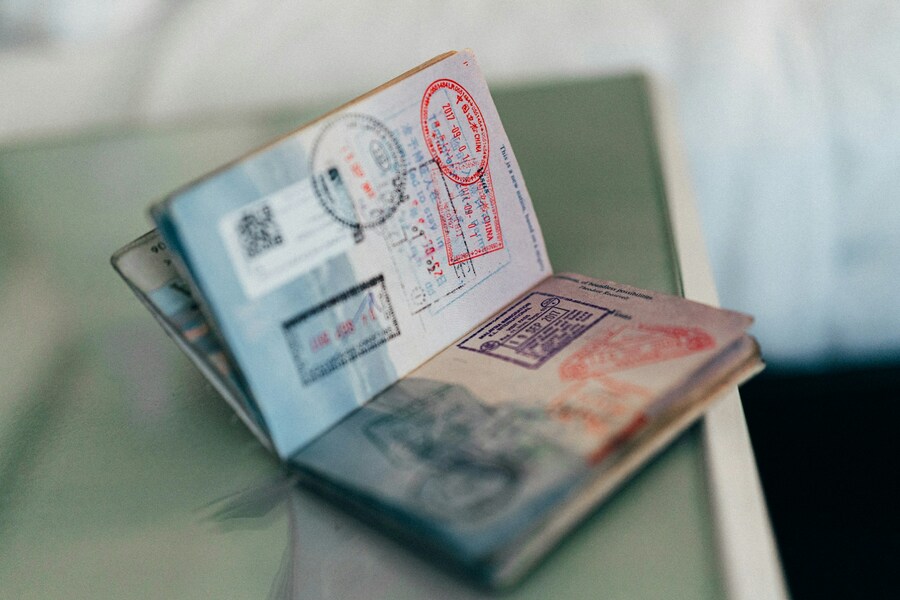
Source: Kit/Unsplash
Mastering dual-passport strategy is an art that blends legal savvy with tactical execution. By knowing which document to present at every stage – from booking to the final immigration checkpoint – travelers unlock significant efficiency and cost savings. Leveraging multiple nationalities allows you to bypass expensive reciprocity fees and utilize expedited e-gates, effectively removing the friction from international movement. While this status provides a distinct advantage in our increasingly digitized world, success requires staying informed on shifting diplomatic tides and maintaining meticulous documentation. Ultimately, these hacks transform global travel into a more accessible, affordable, and seamless experience. Approach every border with confidence, knowing exactly which key opens the door to your next adventure. Wishing all travelers smooth skies and seamless arrivals on every journey!


