

In the ever-evolving world of aviation, the distance between the cloud and the soil is narrowing. For decades, airline food was the punchline of travel jokes – a mystery meat encased in plastic, reheated to a uniform lukewarm temperature, and served with a side of salt to compensate for the dulled taste buds at high altitudes. However, a significant shift is taking place in the galleys of the world's leading carriers. The "Farm-to-Tray" movement is no longer just a luxury reserved for the first-class elite; it's becoming a cornerstone of the modern passenger experience. As travelers become more conscious of their ecological footprint and more demanding of culinary quality, airlines are responding by shortening their supply chains and forging direct partnerships with local growers, vertical farms, and artisanal producers.
This transition represents a logistical marvel. Sourcing fresh, seasonal ingredients for thousands of meals daily requires a complete reimagining of the traditional catering model. Instead of relying on centralized, industrial food processors that ship frozen components across continents, airlines are now looking at the geography surrounding their hub airports. This localized approach not only enhances the flavor profile of the meals but also serves as a powerful statement on sustainability and regional identity.
So, can airlines truly deliver a sustainable farm-to-tray experience?
 Source: Guido Klinge/Unsplash
Sourcing locally boosts flavor and nutrition while slashing carbon emissions. By reducing food miles, airlines support regional farmers and hit sustainability targets, proving that eco-friendly dining can be a high-quality reality.
The rise of high-tech hyper-localism
One of the most fascinating developments in the Farm-to-Tray movement is the integration of high-tech agricultural solutions. Vertical farming has become a game-changer for the industry. Because these farms operate in controlled indoor environments, they can produce consistent yields of herbs and leafy greens year-round, regardless of the local climate. Some airlines have even invested in dedicated vertical facilities located directly at their hub airports. This "hyper-local" sourcing means a salad served at 35,000 feet might have been harvested less than 12 hours prior, a timeline that even many high-end ground restaurants struggle to match. This level of proximity virtually eliminates the need for preservatives or heavy refrigeration, keeping the integrity of the plant intact from the moment of harvest to the moment of service.
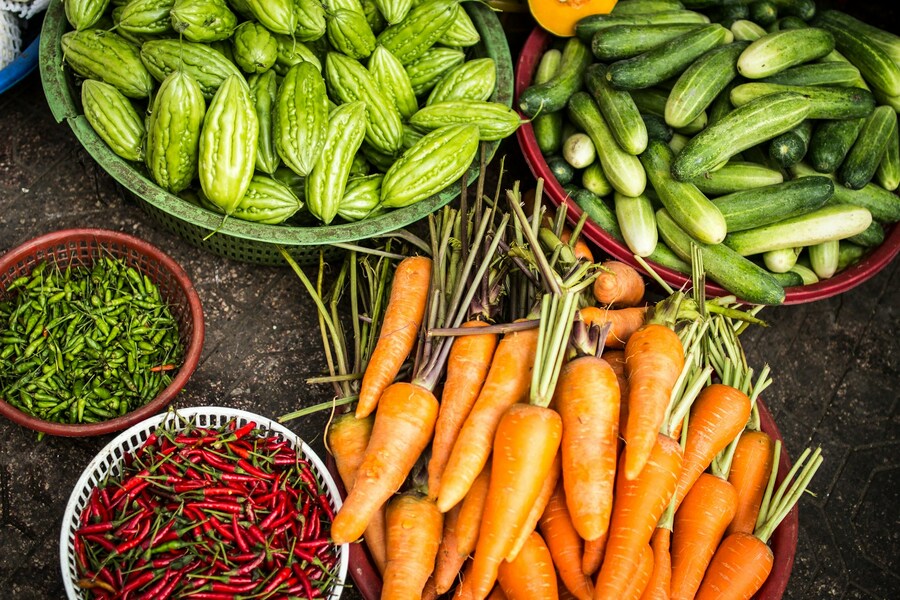
This technological leap also addresses the issue of food safety and transparency. In a modern travel landscape, passengers want to know exactly where their food comes from. Digital tracking and blockchain technology are now being used to give travelers a "biography" of their meal. By scanning a QR code on a menu or seatback screen, a passenger can see the name of the farm where their carrots were grown or the specific day the fish was caught. This level of transparency builds trust and transforms a mundane meal into a curated culinary event, allowing the passenger to feel more connected to the world they are flying over.
Chef partnerships and regional identity
To bridge the gap between the farm and the tray, airlines are increasingly enlisting the help of Michelin-starred chefs and local culinary icons. These partnerships are designed to do more than just put a famous name on a menu; they are about translating regional flavors into a format that works at altitude. A chef based in Paris might design a menu for flights departing from Charles de Gaulle (CDG) that features only French-origin poultry and seasonal vegetables from the Loire Valley. Conversely, a flight departing from Tokyo (HND) might highlight rice from specific prefectures and seafood sourced from local sustainable fisheries. These culinary ambassadors act as curators, ensuring that the raw ingredients provided by local farms are elevated to their highest potential despite the challenges of cabin pressure and humidity.
These regional menus serve as a "final taste" of a destination for departing travelers or a "first welcome" for those arriving. It creates a sense of place that was previously lost in the homogenized world of air travel. For the airline, it's a way to differentiate its brand in a competitive market. When a carrier can boast that its butter is churned by a specific local cooperative or its wine is sourced from a boutique vineyard near the airport, it elevates the entire brand perception from a mere transportation provider to a hospitality leader. It turns the dining experience into an educational opportunity, where every bite reveals something about the local terroir and the traditions of the departure city.
Global leaders in the farm-to-tray revolution
Looking across the global aviation landscape, several carriers have set the gold standard for integrated local sourcing. Singapore Airlines, for instance, has pioneered the "Farm-to-Plane" initiative, utilizing aeroponic greens from vertical farms situated just miles from major international hubs. Their approach involves using highly specific LED light recipes to maximize the nutritional profile of greens, which are then harvested and served within a 24-hour window. Similarly, Air France has made a commitment that all meat, poultry, and dairy served on flights departing from Paris will be of French origin, emphasizing a support system for national agriculture that resonates deeply with their cultural brand.
In North America, Delta Air Lines and JetBlue have both leaned heavily into regional partnerships to revitalize their onboard offerings. Delta has collaborated with James Beard award-winning chefs to bring Southern-inspired, locally sourced dishes like shrimp and grits to the skies, while also sourcing tea and snacks from Certified B Corporations that support independent farmers. JetBlue's partnership with vegetable-forward restaurants ensures that even their transatlantic economy passengers receive meals that focus on seasonal produce rather than heavy starches. These industry leaders are proving that localized sourcing isn't just a marketing gimmick but a viable, large-scale operational strategy that improves passenger satisfaction and reduces environmental impact across the board.
Source: Trung Cao/Unsplash
Overcoming the logistical turbulence
Despite the romanticism of farm-fresh ingredients, the path from the soil to the galley is fraught with challenges. The most significant hurdle is scale. An international airline might serve over 50,000 meals a day from a single hub. Small local farms often struggle to meet such high-volume demands while maintaining the strict food safety standards required for aviation. To solve this, many airlines are moving toward a "cluster" model, where they partner with a network of several small producers rather than one large supplier. This diversification not only ensures a steady supply but also spreads the economic benefits across a wider range of community stakeholders.
There's also the matter of seasonality. A truly local menu must change with the seasons, which requires the airline's catering team to be incredibly agile. Menus that once stayed the same for six months are now being updated quarterly or even monthly. This necessitates a more flexible supply chain and a workforce that can adapt to different ingredients on short notice. Moreover, the cost of local, organic, or artisanal products is generally higher than industrial alternatives. However, airlines are finding that the reduction in waste – achieved through better quality and more precise pre-ordering systems – helps to offset these initial costs, making the transition financially sustainable in the long run.
The role of passenger choice and pre-ordering
Digital innovation is the silent partner of the Farm-to-Tray movement. One of the most effective ways to support local sourcing is through robust pre-ordering systems. When a passenger selects their meal 48 hours in advance, the airline knows exactly how many portions of a specific local dish to prepare. This precision minimizes overproduction and ensures that expensive, high-quality ingredients aren't wasted. By moving away from a "best guess" catering model, airlines can afford to invest in more premium ingredients because they are only buying what will actually be consumed.
Moreover, pre-ordering allows airlines to offer a wider variety of specialized local options that might not be available for "on-demand" service. It empowers the passenger to be part of the sustainability journey. Some airlines are even incentivizing pre-ordering by offering extra frequent flyer miles or exclusive menu items that celebrate a specific harvest. This data-driven approach allows the catering department to better manage its relationships with local farmers, providing them with more accurate forecasts and stable income. It creates a closed-loop system where passenger behavior directly supports the viability of local agricultural partnerships.
Transforming the economy cabin
While much of the early focus of Farm-to-Tray was on First- and Business-class, the trend is rapidly trickling down to the main cabin. Airlines are realizing that even a small touch of local flavor can vastly improve the Economy experience. This might manifest as a locally branded snack, a craft beer from a nearby brewery, or a main course that features regional grains. By focusing on high-quality basics – like fresh bread from a local bakery or seasonal fruit from a nearby orchard – carriers can deliver a premium feel without the astronomical costs associated with luxury fine dining.
In some cases, airlines are moving toward a "buy-on-board" model for fresh items in Economy, which allows them to offer higher-quality local food that wouldn't be feasible in a complimentary, mass-distributed format. By giving passengers the option to purchase a premium, locally sourced meal, airlines can cater to those who value quality while still maintaining a standard service for others. This hybrid approach is proving to be a sustainable way to bring the "Farm-to-Tray" philosophy to the masses, ensuring that the benefits of fresh, local food aren't locked behind a curtain of travel class.
Strategic planning and ground logistics
The journey begins long before you reach the gate, and savvy travelers know that the "hacks" for a smooth trip often start on the ground. Just as airlines are optimizing their food sourcing to ensure quality and freshness, travelers must optimize their departure experience to reduce stress. For those flying out of regional hubs, planning the first leg of the journey is crucial for a relaxed experience. For instance, if you are departing from Idaho (IDA), finding reliable and cost-effective IDA Airport parking can save you the stress that often ruins the appetite for a gourmet in-flight meal. Securing your spot in advance through various parking deals ensures that you spend less time circling the lot and more time enjoying the local flavors offered in the terminal and on the plane. Integrating these ground-level efficiencies with the elevated onboard experience creates a seamless travel narrative where every part of the journey is considered.
Conclusion
Source: Megan Thomas/Unsplash
The Farm-to-Tray movement marks a permanent shift toward quality and sustainability, proving that even a global industry can embrace local roots. By prioritizing transparency and regional flavors, airlines are transforming the passenger experience from mere transportation into a meaningful engagement with the land below. As we close the gap between the soil and the sky, every meal becomes a nourishing part of the adventure. Safe travels and bon appétit!


