

Modern air travel has evolved into a complex balancing act where simply arriving at your gate no longer guarantees a smooth journey. To navigate today's landscape of biometric security, AI-driven logistics, and dynamic pricing, passengers must transition from passive travelers to tactical experts. Success in the skies now requires a mastery of digital tools, minimalist packing strategies, and proactive physical wellness to combat the rigors of long-haul flights. By shifting your mindset and utilizing data-driven hacks, you can bypass the common stressors of the terminal and reclaim your time and comfort. This travel guide is designed to peel back the layers of contemporary aviation, offering a deep dive into the specific technological and physical hacks that separate the stressed from the serene.
So, how can you master the modern skies through strategic planning and on-board innovation?
 Source: Adib Harith Fadzilah/Unsplash
The foundation of any successful journey begins long before you step onto the tarmac. In the current climate of global transit, the traditional methods of booking and packing have undergone a radical transformation. The "hacks" of yesteryear – like clearing your browser cookies or booking on a specific Tuesday – have largely been rendered obsolete by sophisticated airline algorithms that track demand in real-time. Instead, the modern traveler must focus on flexibility and the intelligent use of data. This means understanding the rhythm of the airline industry and recognizing that the cheapest fare isn't always the best value. To truly master the skies, one must balance the financial cost against the "time cost" and the physical toll of the journey.
The digital vanguard: leveraging technology for seamless transit
One of the most significant shifts in air travel is the total digitalization of the passenger experience. Your smartphone is no longer just a communication device; it's your navigator, your concierge, and your shield against chaos. Utilizing dedicated flight-tracking applications that provide real-time updates on gate changes and inbound aircraft status can give you a 20-minute head start on the rest of the terminal when a delay occurs. While the airline's own app is essential for check-in and digital boarding passes, third-party aggregators often provide more transparent data regarding weather patterns and air traffic control hold-ups.
Moreover, the rise of biometric integration at major hubs has streamlined the security process for those who are willing to embrace it. Enrolling in verified traveler programs is no longer a luxury but a fundamental necessity for anyone flying more than twice a year. These programs allow you to bypass the standard queues that often snake through the terminal, saving not just time but the mental energy that's so easily depleted in crowded environments. The integration of digital wallets also means that currency exchange and payment for in-flight services are now instantaneous and often more cost-effective than carrying physical cash.
The art of the invisible carry-on: redefining minimalism
Packing has evolved from a chore into a high-stakes strategy game. The objective is to maximize utility while minimizing bulk, a feat achieved through the use of modular packing systems. Compression cubes are the secret weapon of the frequent flyer, allowing you to organize your wardrobe by category or by day while simultaneously reducing the volume of your clothing by nearly 30 percent. By choosing a versatile color palette and fabrics that resist wrinkles and odors, a traveler can easily sustain a two-week trip out of a single overhead-compliant bag. This eliminates the risk of lost luggage and the tedious wait at the carousel, granting you the freedom to exit the airport and start your adventure the moment the cabin doors open.
Beyond the wardrobe, the "tech kit" has become a vital component of the carry-on. Instead of a tangled mess of wires, a consolidated electronics organizer with multi-port high-speed chargers and universal adapters ensures that all your devices remain functional throughout the journey. A high-capacity power bank is non-negotiable, as integrated seat-back power can sometimes be unreliable on older aircraft or regional hops. By keeping these essentials in a small, accessible pouch, you avoid the awkward "aisle scramble" when trying to retrieve items from the overhead bin mid-flight.
Physiological fortitude: survival strategies for long-haul comfort
The physical environment of a pressurized cabin at thirty thousand feet is inherently taxing on the human body. Dehydration, noise fatigue, and deep vein thrombosis are silent adversaries that can ruin the first few days of your trip. To combat these, the savvy traveler adopts a holistic approach to in-flight wellness. This starts with hydration; drinking significantly more water than you think you need is the most effective way to combat jet lag and skin irritation. Bringing a high-quality, collapsible water bottle that can be filled after security ensures you aren't reliant on the tiny plastic cups provided by the cabin crew.
Noise-canceling technology has also become a mandatory tool for maintaining mental clarity. The constant hum of jet engines is a major contributor to travel fatigue. By investing in top-tier active noise-canceling headphones, you create a private sanctuary of silence, allowing for deeper sleep or more focused work. In addition, the use of compression socks is no longer reserved for the elderly; they are a vital tool for anyone on a flight longer than four hours, promoting circulation and preventing the "heavy leg" sensation that often follows a long journey.

Source: Davide Cantelli/Unsplash
Navigating the airport ecosystem: beyond the gate
The airport itself is an ecosystem that can either drain your resources or provide a much-needed respite. Understanding the layout of your departure and connection hubs is crucial. Many modern airports now offer "quiet zones," indoor gardens, and even yoga rooms that are often tucked away from the main thoroughfares. Researching these amenities beforehand can turn a stressful three-hour layover into a period of genuine relaxation. Moreover, the world of airport lounges has become more accessible through various credit card perks and independent membership programs. Even if you aren't flying first class, the cost of a day pass can often be justified by the inclusive food, beverages, and reliable high-speed internet, not to mention the significantly more comfortable seating.
For those traveling through smaller regional hubs, the challenges are different but equally manageable with the right foresight. It's about finding the "sweet spots" – the gate areas that are currently unused, the cafes with the fastest Wi-Fi, or the specific security checkpoints that tend to move faster during peak hours. Being observant and adaptable allows you to move through these spaces with a sense of ease that most travelers never achieve.
The financial chess match: points, miles, and smart spending
The economics of air travel are complex, but they can be tilted in your favor with a disciplined approach to loyalty programs. The most successful travelers are those who view their spending as a way to fund future adventures. This involves more than just signing up for a frequent flyer number; it requires a strategic selection of credit cards that offer high-speed accumulation of transferable points. These points are the "currency of the skies," allowing you to book premium cabin upgrades or last-minute flights that would otherwise be prohibitively expensive.
However, the pursuit of points should never lead to overspending. The real hack lies in the "stopover" strategy. Many airlines now offer free or heavily discounted stopovers in their hub cities, allowing you to visit two destinations for the price of one. For example, a flight from New York to Singapore might offer a three-day layover in Tokyo or Dubai at no extra airfare cost. This effectively expands your travel itinerary while breaking up the physical intensity of ultra-long-haul flying.
Culinary intelligence and in-flight sustenance
Relying on airline food is a gamble that rarely pays off in terms of nutrition or satisfaction. The dry air and high altitude significantly dull your sense of taste, which is why in-flight meals are often heavily salted and processed. The ultimate hack is to bring your own "bento box" of high-protein, low-sodium snacks. Nuts, dried fruits, and high-quality protein bars provide sustained energy without the blood sugar crashes associated with sugary airport snacks. If you do choose to eat the provided meal, opting for the "Special Meal" (such as vegetarian or low-sodium) often results in being served first, allowing you more time to sleep or work while the rest of the cabin is still waiting for their trays.
Logistics on the ground: the final mile
The journey doesn't end when the wheels touch the runway. The transition from the plane to your final destination is often where the most frustration occurs. Pre-booking your ground transportation or having a clear understanding of the local transit options is essential. If you are driving yourself to the airport, the stress of finding a spot in a crowded deck can be a poor start to your trip. Fortunately, there are ways to mitigate this. For those traveling through Georgia, securing SAV Airport parking in advance can save both time and significant amounts of money. Utilizing reputable platforms to find SAV parking deals ensures that your vehicle is safe and that you aren't overpaying for the convenience of proximity, allowing you to focus entirely on the flight ahead.
The psychology of the modern traveler
Ultimately, the most powerful tool in your travel kit is your mindset. Air travel is a series of variables, many of which are outside of your control. Flight delays, weather disruptions, and technical glitches are inevitable parts of the machinery. The hack here is emotional regulation. By expecting the unexpected and maintaining a flexible itinerary, you remove the power these disruptions have over your mood. Having a "delay kit" – a book you've been dying to read, a downloaded movie, or a specific project to work on – turns waiting time into productive or enjoyable time. When you stop viewing the airport as a barrier and start viewing it as a part of the adventure, the entire experience changes.
The bottom line
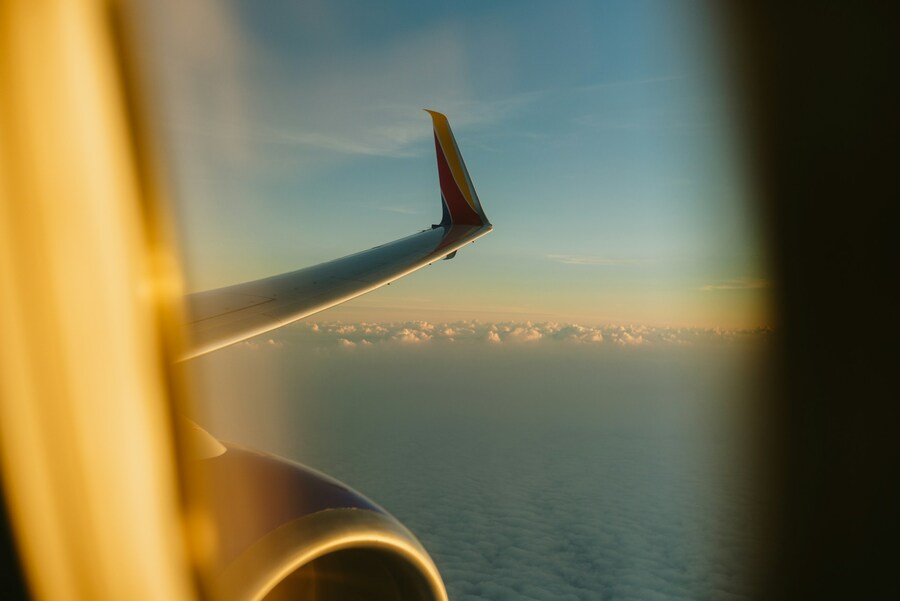
Source: Fujiphilm/Unsplash
Mastering the skies in the mid-2020s is a multifaceted endeavor that requires a blend of technical savvy, physical preparation, and psychological resilience. It's about moving through the world with intention rather than just momentum. By embracing the digital tools at your disposal, perfecting the art of the carry-on, and prioritizing your physical well-being, you can transform air travel from a necessary evil into a seamless component of your lifestyle. The world is more accessible than ever before, but it's also more complex. The travelers who thrive are those who recognize that every small optimization – from the way they pack their socks to the way they book their parking – contributes to a larger sense of freedom and discovery. As you prepare for your next departure, remember that the goal isn't just to reach a destination, but to master the journey itself. Safe travels and clear skies await those who are prepared to navigate them with intelligence and grace!


