

The pursuit of totality is a journey that transcends traditional tourism, pulling travelers into a rare alignment with the cosmos. On August 12, the shadow of the moon will sweep across the North Atlantic, making landfall in some of the most dramatic landscapes on Earth. For the modern traveler, this isn't just a celestial event; it's a logistical puzzle involving complex air travel, high-demand accommodations, and the unpredictable whims of geography. Whether you choose the volcanic horizons of Iceland or the sun-drenched plains of Spain, the success of your expedition depends on more than just looking up. It requires a mastery of transit hacks, local maneuvers, and a deep understanding of how to navigate the surge of global "eclipse chasers" heading toward a singular moment of darkness.
So, how can you master the complex logistics of the 2026 solar eclipse?
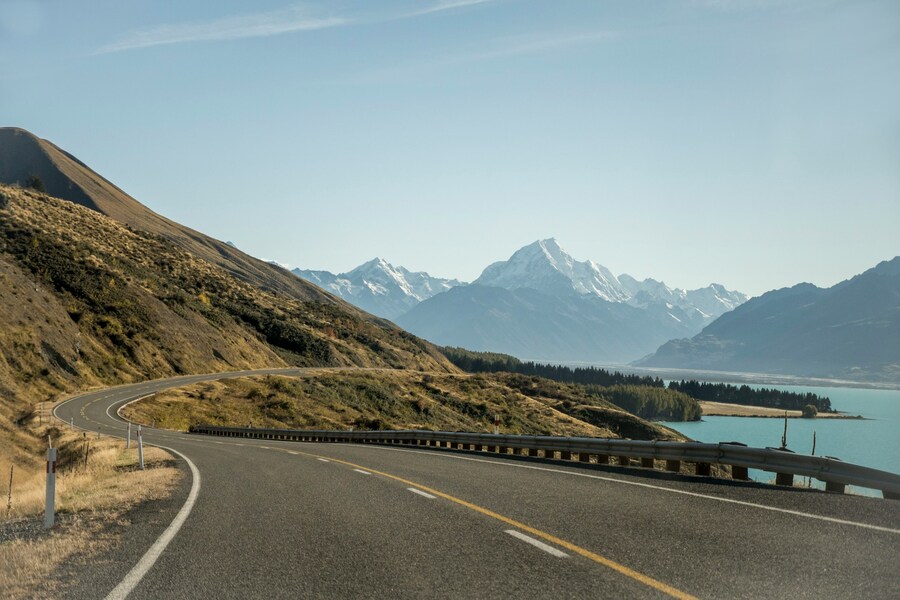 Source: Edmond Cheok/Unsplash
Planning a trip of this magnitude requires a departure from standard vacation logic. Typically, air travel advice suggests booking a few months in advance, but for a total solar eclipse, the traditional rules are rewritten by the sheer volume of simultaneous arrivals. Because the path of totality is narrow, the density of travelers in specific corridors like the Westfjords of Iceland or the northern coast of Spain will be unprecedented. Mastering these logistics starts with your arrival strategy. You aren't just flying to a country; you are flying into a bottleneck.
To navigate this, the first "hack" is to consider secondary and tertiary gateways. While most travelers will aim for Keflavík in Iceland or Madrid and Barcelona in Spain, these hubs will see the highest price surges and the most significant delays at rental car counters. For Spain, consider flying into smaller regional airports like
Decoding the air travel pricing surge
The economics of eclipse travel are notoriously volatile. Airlines are well aware of the dates, and their algorithms adjust prices long before the general public begins to search. However, a significant air travel hack involves the "day-of-week" strategy. Data suggests that for the current travel climate, Thursday has emerged as a surprisingly affordable day for international departures, often undercutting the traditional mid-week savings found on Tuesdays. By arriving a few days early, you not only save on airfare but also give yourself a buffer against the inevitable technical delays that plague high-capacity travel windows.
Another layer of logistics involves the "multi-city" booking trick. Instead of a standard round-trip to a single hub, look for routes that allow you to land in one region and depart from another. For example, if you are heading to Spain, you might fly into Santiago de Compostela to catch the eclipse in Galicia and then depart from Valencia after the shadow has passed into the Mediterranean. This prevents you from having to fight the "reverse-migration" traffic after the event, where everyone tries to return to the same major airport simultaneously.
The geography of choice: Spain vs. Iceland
The decision between Spain and Iceland is fundamentally a choice between weather certainty and atmospheric drama. In Iceland, the eclipse occurs in the late afternoon. The sun will be higher in the sky, roughly 25 degrees above the horizon, which reduces the risk of being blocked by local topography. However, Iceland is famous for its "four seasons in an hour" weather. The Westfjords and the Snæfellsnes Peninsula offer the longest durations of totality, exceeding two minutes in some spots, but cloud cover is a persistent threat. To mitigate this, successful travelers will use mobile logistics – renting a vehicle that allows them to chase "sucker holes" in the clouds based on real-time satellite data.
In contrast, Spain offers a much higher probability of clear, bluebird skies. The trade-off here is the height of the sun. As the shadow moves southeast across the Iberian Peninsula, the sun will be very low on the horizon – as low as two to 10 degrees depending on your location. This makes "sight-line logistics" your primary concern. If you are in a valley or behind a mountain range in the Picos de Europa, you might miss the eclipse entirely because the sun is hidden behind a peak. For Spain, the best hack is to scout your location using augmented reality apps that overlay the sun's path onto your camera's view, ensuring that no building or cliff will obstruct the show.
Navigating the ground game and local transit
Once you land, the real logistics begin. In Iceland, the roads leading to the most western points, such as the Látrabjarg cliffs, are narrow and often unpaved. Authorities have already hinted at potential closures to private vehicles to manage the expected influx. The savvy traveler will look for shuttle services or organized group transit that has guaranteed access to these high-value viewing areas. If you are driving yourself, the golden rule is to be in position at least 12 hours before totality. The "eclipse traffic jam" is a real phenomenon that can turn a two-hour drive into an eight-hour ordeal, potentially causing you to miss the event while stuck in a line of cars.
Spain's infrastructure is more robust, with high-speed rail (AVE) connecting many cities in or near the path. Using the train is a brilliant logistical hack to avoid the gridlock on the autovías. Cities like León, Burgos, and Zaragoza are perfectly positioned and easily accessible by rail. However, the final "last mile" to a rural viewing spot will still require coordination. Taxis and ride-shares will be at a premium, so pre-booking a local driver or staying within walking distance of your planned site is the most secure strategy.

Source: Sam Williams/Unsplash
Essential gear and tech hacks for the eclipse traveler
You cannot experience totality through a screen, but technology can certainly help you get there. Beyond the obvious need for ISO-certified eclipse glasses, your logistical kit should include a portable power bank and an offline map. During mass gatherings, cellular towers often become overwhelmed, rendering GPS and cloud-based maps useless. Downloading offline maps for the entire region of Northern Spain or Western Iceland is a non-negotiable step.
Moreover, consider your physical comfort. Totality brings a noticeable drop in temperature – sometimes by as much as 10 to 15 degrees – even in a Spanish summer. In the windswept Westfjords, this can feel like a sudden plunge into winter. Packing versatile layers and a lightweight, portable chair will keep you focused on the sky rather than your discomfort. If you are planning to photograph the event, the hack is simple: use a solar filter for the partial phases, but remember to take it off the moment totality begins. Many people lose precious seconds of the "Diamond Ring" effect because they are fumbling with camera gear.
Maximizing value at the departure point
Your journey doesn't start when the plane wheels leave the tarmac; it starts at the airport. Often overlooked in the grand scheme of international logistics is the cost and stress of getting to your home airport. For those departing from the Midwest, particularly through Milwaukee, the surge in travel can make even the start of the trip feel chaotic. Finding reliable MKE parking deals can save a significant portion of your budget that could be better spent on a 4x4 rental in Reykjavik or a vineyard stay in La Rioja. Utilizing professional parking services at MKE Airport parking allows you to bypass the crowded terminal lots and start your eclipse expedition with a sense of order rather than a frantic search for a space.
As the date approaches, the demand for these peripheral services will climb alongside airfares. Just as you would book a hotel in the path of totality a year in advance, you should secure your airport logistics early. This "book-ends" your trip with stability, ensuring that your focus remains on the celestial alignment ahead rather than the frustrations of the journey's start or end.
The role of flexibility in celestial travel
The final and perhaps most important logistical hack is the "Plan B." No matter how much you spend on a flight or how perfectly you've timed your arrival, the weather is the ultimate arbiter of the eclipse experience. Successful eclipse chasers always have a secondary viewing site located 50 to 100 miles away from their primary choice, preferably in a different micro-climate. In Spain, this might mean having a coastal spot in Gijón and an inland backup in the high plains of Palencia. In Iceland, it might involve being ready to move from the coast of Snæfellsnes to the more sheltered inland valleys.
This mobility requires a vehicle and a willingness to drive during the early morning hours. It also requires monitoring specialized weather models like Eclipsophile, which provide cloud-cover forecasts tailored specifically for solar events. If the forecast for your primary site looks dismal 24 hours out, don't be afraid to pull the trigger on your backup plan. The logistics of a last-minute move are difficult, but the reward of seeing the corona break through a clear sky is worth every extra mile driven.
The bottom line

Source: Michael Blum/Unsplash
The 2026 total solar eclipse is a rare intersection of natural wonder and human coordination. Navigating the logistics for Spain and Iceland requires a blend of early bird precision and last-minute adaptability. By rethinking your air travel strategies, choosing your geography based on sight-lines and weather patterns, and securing your ground transit and airport logistics well in advance, you transform a potentially stressful journey into a seamless adventure. Whether you are standing on the edge of a Roman lighthouse in A Coruña or on a black sand beach in Iceland, the key to witnessing totality isn't just being in the right place, but having the logistical foresight to get there ahead of the crowd. May your skies stay perfectly clear, your connections be seamless, and may the moment the moon meets the sun be everything you've dreamed of – safe travels to the path of totality!


