

The concept of travel has undergone a radical transformation over the last decade. We have transitioned from an era of frantic "checklist tourism," where the goal was to visit as many monuments as possible in a 48-hour window, to a more intentional, grounded philosophy. This shift is what we now call slow travel. It's a rejection of the high-stress, high-velocity transit models that leave travelers feeling more exhausted upon their return than they were before they departed.
At its core, slow travel suggests that the depth of an experience is infinitely more valuable than the breadth of a geographic itinerary. This approach prioritizes meaningful connection over social media validation, encouraging travelers to dismantle the pressure of rigid schedules. By choosing to stay longer in a single location, you aren't just changing your pace; you're unlocking a suite of logistical, financial, and emotional advantages that faster travelers simply never encounter. It's about trading the blur of train windows for the clarity of a local neighborhood, transforming a simple trip into a profound period of personal growth and cultural integration.
So, how can staying longer revolutionize your entire approach to air travel?
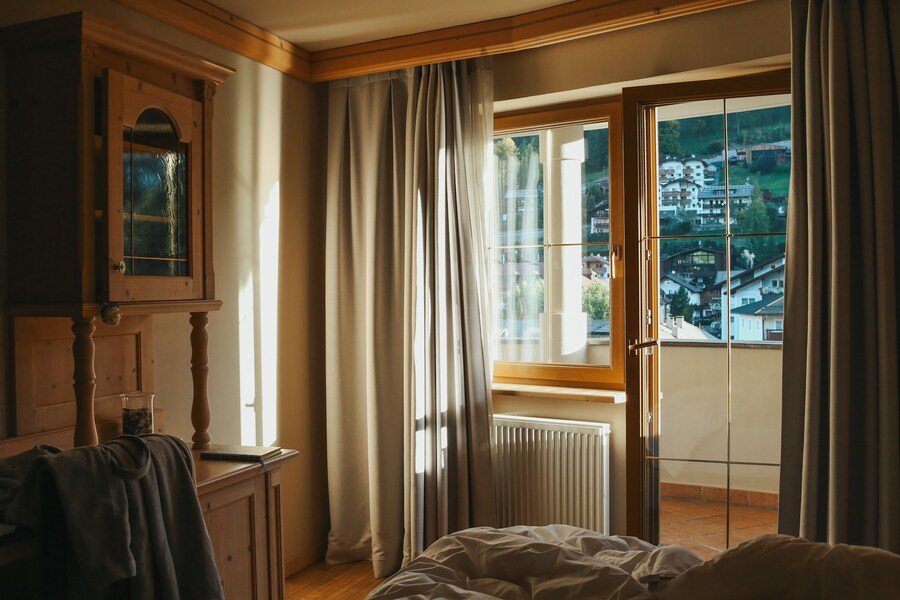 Source: Giorgio Trovato/Unsplash
The most immediate benefit of extending your stay in a single destination is the significant reduction in the logistical friction associated with air travel. When you fly frequently between multiple cities in a short period, you're constantly battling the "airport cycle." This cycle includes the commute to the terminal, the security queues, the inevitable delays, and the disorienting transit from the arrival gate to a new hotel. By staying longer in one place, you effectively dilute these high-stress moments. Instead of spending twenty percent of your vacation time in transit, you might spend only five percent. This allows the brain to fully decompress and enter a state of true relaxation, which is nearly impossible to achieve when your subconscious is already worrying about the next boarding pass or baggage claim.
The financial logic of extended stays
From a purely economic perspective, staying longer is the ultimate hack for modern airfare management. Airlines have increasingly sophisticated algorithms that punish erratic, last-minute, or multi-leg bookings. When you commit to a slow travel itinerary, you gain the flexibility to book "open-jaw" flights or long-term round trips that often fall into more favorable pricing tiers. Moreover, staying in one location for two weeks or a month allows you to tap into the "long-stay" discounts offered by accommodation providers, which often offset the cost of a higher-quality flight. It's a common misconception that traveling longer is more expensive; in reality, the daily cost of travel drops significantly when you aren't paying for a new train ticket or short-haul flight every three days.
Mastering the art of the long-haul recovery
Air travel, particularly across multiple time zones, takes a physical toll on the body that most travelers underestimate. The physiological impact of cabin pressure, dehydration, and disrupted circadian rhythms – commonly known as jet lag – can take several days to fully resolve. In a traditional fast-paced itinerary, a traveler might spend their entire stay in a city fighting brain fog and fatigue, only to board another flight just as they begin to feel normal. Slow travel acknowledges this biological reality. By staying longer, you allow your body the grace period it needs to acclimate. The first three days of a slow travel trip are for recovery, leaving the subsequent weeks for genuine exploration with a clear mind and high energy levels.
Psychological benefits of geographic stability
There's a profound psychological shift that occurs when you stop being a "visitor" and start being a "temporary resident." When you stay in a neighborhood for more than a week, you begin to recognize the local baker, you understand the nuances of the public transit system, and you find your favorite corner of a public park. This sense of belonging is the antidote to the "tourist fatigue" that plagues short-term travelers. It reduces the cognitive load of navigating a new environment, allowing you to focus on meaningful interactions and cultural immersion. You move from a state of observation to a state of participation, which is the most rewarding aspect of any journey.
Overcoming the fear of missing out
The primary barrier to slow travel is often the
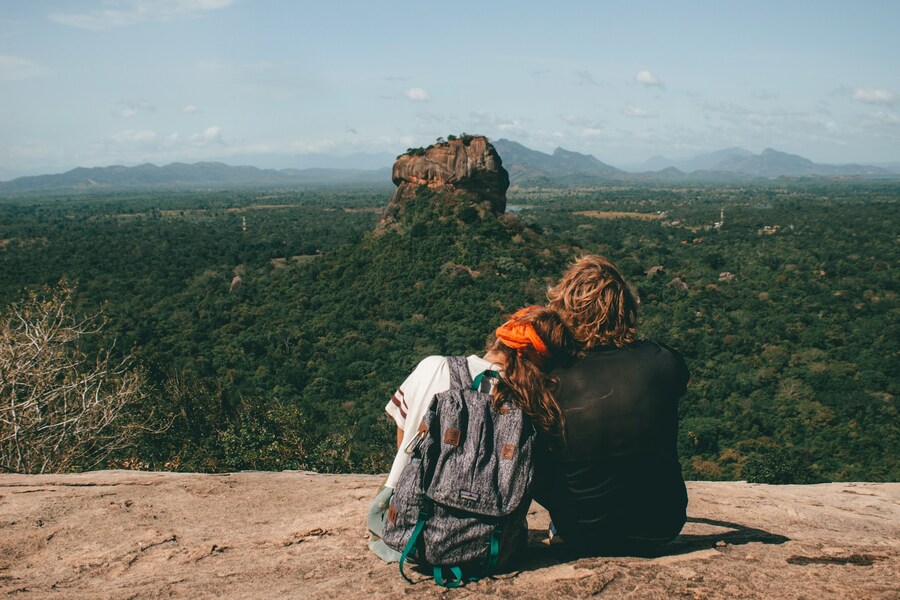
Source: Lou Lou B Photo/Unsplash
Environmental impact and conscious transit
We cannot ignore the ecological footprint of our travel habits. Frequent short-haul flights are among the most carbon-intensive ways to move around the globe. Slow travel inherently promotes sustainability. By flying less often and staying in one place longer, you drastically reduce your personal carbon emissions. Moreover, longer stays encourage the use of local infrastructure, such as bicycles, walking, and regional trains, which are far more environmentally friendly than the constant reliance on taxis and domestic flights. Being a conscious traveler means recognizing that our presence has an impact, and staying longer is one of the most effective ways to minimize the negative aspects of that impact while maximizing the positive economic support for local communities.
The role of remote work in the slow travel movement
The rise of digital nomadism and flexible work arrangements has provided the perfect infrastructure for slow travel. If you can take your office with you, the traditional "two-week vacation" limit disappears. This allows for stays of a month or more, where the rhythm of work and play can balance out naturally. You can work during the hours when tourist sites are most crowded and explore during the quiet mid-week mornings. This integration of life and travel removes the pressure to "cram" activities into a weekend, making the entire experience feel more like a lifestyle choice than a temporary escape.
Strategic planning for the long-term traveler
To successfully execute a slow travel plan, one must rethink their approach to packing and logistics. When you're staying in one place, you can afford to bring a few more comforts of home, or conversely, you can pack lighter knowing you'll have access to laundry facilities. You also gain the ability to shop at local markets and cook your own meals, which provides a fascinating window into the local culture while further reducing your expenses. Strategic planning in this context isn't about scheduling every hour; it's about setting up a "home base" that serves as a launchpad for spontaneous, low-stress discovery.
Navigating the airport experience with a long-term mindset
Even the most dedicated slow traveler must eventually face the airport. However, when you only fly once every few weeks or months, the experience feels less like a chore and more like a significant transition. You have the time to research the best lounges, understand the terminal layouts, and arrive with plenty of time to spare. The stress of air travel is often a result of being rushed; slow travel removes that urgency. You can afford to take the scenic route to the airport or choose a flight time that aligns with your natural sleep schedule rather than the cheapest, most inconvenient option.
As you prepare for these longer journeys, the logistics of getting to your departure point become part of the ritual. For those departing from major hubs, finding reliable ways to secure your vehicle is paramount. If your journey begins in North Carolina, for instance, you might find that researching various RDU parking deals can save you a significant amount of money over a month-long trip. By securing a spot at a trusted facility, you ensure that your vehicle is safe while you're off becoming a temporary citizen of a distant land. This kind of foresight is what separates the stressed-out tourist from the savvy slow traveler who understands that peace of mind starts long before the plane leaves the tarmac.
The bottom line
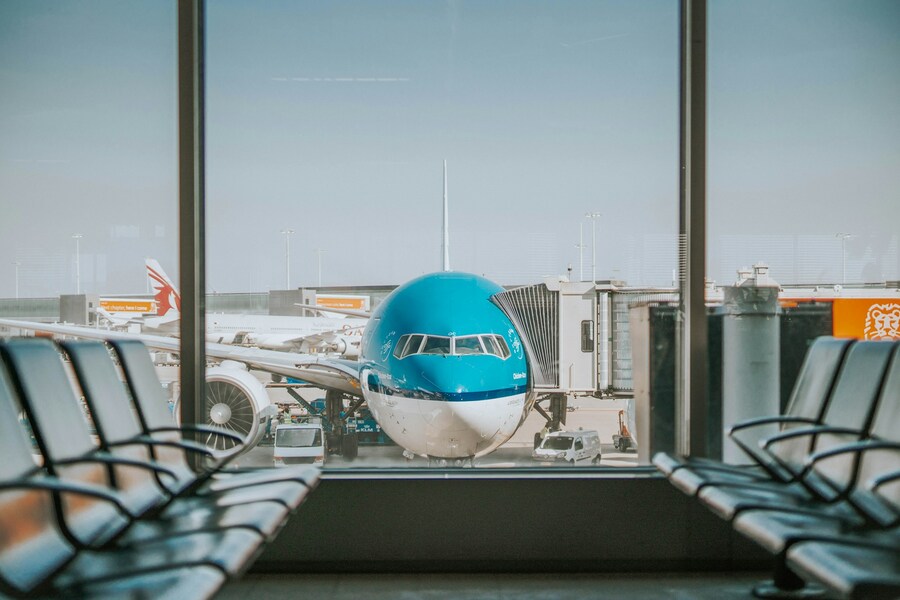
Slow travel isn't just a trend; it's a necessary evolution in how we interact with the world. By choosing to stay longer, we reclaim our time, our health, and our curiosity. We trade the frantic pace of the modern world for the steady heartbeat of a new city. We learn that the "ultimate travel hack" isn't a secret discount code or a hidden airline loophole – it's the willingness to slow down and let a destination reveal itself to us. When we stop rushing to the next gate, we finally give ourselves the chance to actually arrive. This philosophy shifts the focus from the quantity of miles covered to the quality of moments captured, ensuring that every trip leaves a lasting impression on the soul rather than just a stamp in a book.
Ultimately, the choice to stay longer is an act of rebellion against a world that demands constant movement and immediate results. It's an investment in your own perspective, allowing you to see the world not as a collection of landmarks, but as a vibrant tapestry of people, stories, and shared humanity. As we move forward into a new era of global exploration, let us remember that the most profound discoveries often happen when we simply stay still long enough to notice them. May your future journeys be filled with the quiet magic of discovery, the warmth of new friendships, and the profound peace that comes with finding your place in a far-off corner of the world. Safe travels and happy wandering to all who seek a deeper path!


