

Traveling with a four-legged companion has undergone a seismic shift in recent years, transforming from a relatively flexible arrangement into a highly regulated process. For many years, the presence of
So, how have airline rules for emotional support animals changed recently?
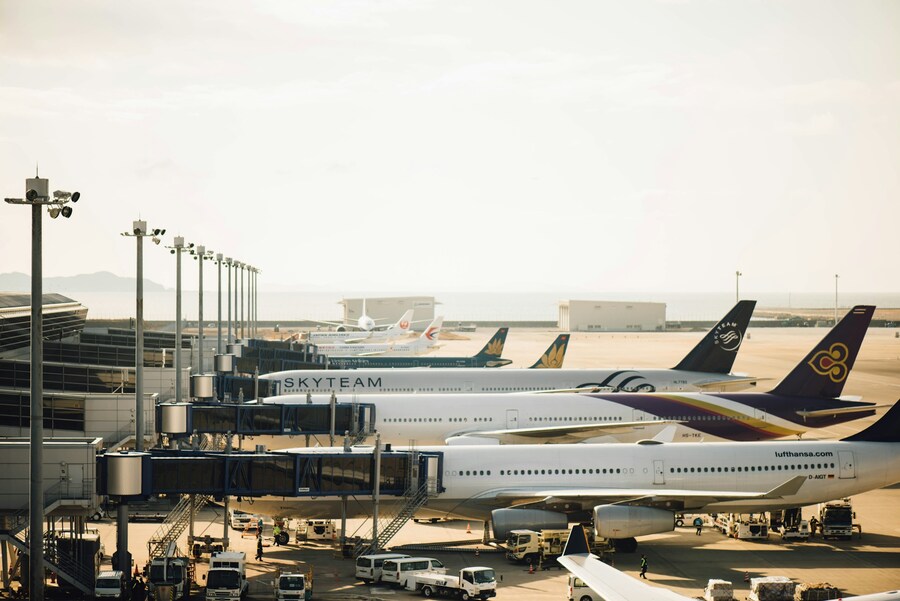 Source: CHUTTERSNAP/Unsplash
The most significant change in the world of pet travel is the near-universal decommissioning of the "Emotional Support Animal" category by major airlines. In the past, a letter from a licensed mental health professional was often all that was required to permit a wide variety of animals – ranging from dogs and cats to more exotic species – to fly in the cabin free of charge. This was governed under the Air Carrier Access Act (ACAA), which previously grouped ESAs with service animals. However, following a surge in cabin disruptions and safety incidents, the Department of Transportation (DOT) revised its regulations. The current standard now defines a service animal strictly as a dog that's individually trained to do work or perform tasks for the benefit of a person with a disability.
As a result, emotional support animals are now almost exclusively categorized as "pets." This means they are subject to the same fees, carrier requirements, and size restrictions as any other domestic animal. For travelers who previously relied on the ESA designation to bring larger dogs into the cabin, this shift has been particularly challenging. If an animal doesn't meet the specific criteria of a trained service dog – which includes performing tasks like guiding the blind, alerting to seizures, or providing psychiatric assistance through specific actions – it must now travel under the airline's standard pet policy.
The rise of Psychiatric Service Dogs (PSDs)
While the ESA designation has largely vanished, the category of Psychiatric Service Dogs (PSDs) remains protected. It's a common misconception that psychiatric support is the same as emotional support. A PSD is a dog trained to perform specific tasks to mitigate a mental health disability, such as "grounding" a handler during a panic attack or providing deep pressure therapy. Because these dogs are task-trained, they are treated the same as physical service dogs. They fly for free and aren't required to be in a carrier, provided they can fit within the handler's foot space.
However, the documentation for PSDs has become much more formal. Airlines now require a standardized DOT Service Animal Air Transportation Form. This document asks for the trainer's name, the specific tasks the dog performs, and an attestation of the animal's health and behavior. Providing false information on these federal forms is a serious offense, and airlines have become increasingly vigilant in verifying the legitimacy of these claims. Travelers must usually submit these forms at least 48 hours before departure, though some airlines may allow them to be presented at the gate in certain circumstances.
Cabin constraints and the "under-seat" reality
For those whose animals are now classified as pets, the physical constraints of the aircraft cabin are the new gatekeepers. Most major carriers have established a weight limit – often around 20 pounds, including the carrier – for animals allowed in the cabin. The golden rule of 2026 air travel is that if the carrier doesn't fit under the seat in front of you, the animal cannot fly in the cabin. This has led to a rise in "soft-sided" carriers, which offer a few extra inches of flexibility compared to rigid plastic kennels.
Airlines have also become stricter regarding the number of pets allowed on a single flight. Many narrow-body aircraft now cap the total number of in-cabin pets at four to six per flight, distributed across different cabin classes. This makes early booking more critical than ever. If you show up at the airport with a pet but haven't pre-registered them, you run a high risk of being denied boarding because the pet "quota" for that flight has already been filled.
The logistics of international pet travel
When your travel plans cross international borders, the complexity of pet transport increases exponentially. The ESA designation is virtually unrecognized outside of the United States, meaning that even on carriers that might have once been lenient, international flights adhere to the strict import/export laws of the destination country. Many nations, particularly island nations like Japan or the United Kingdom, have rigorous quarantine and vaccination requirements that must be met months in advance.
Digital health certificates have become the standard for international transit. These certificates, often linked to a pet's microchip, allow customs officials and airline staff to verify rabies vaccinations and health status via a quick scan. This technological shift aims to reduce the paperwork burden, but it requires owners to ensure their veterinarian is "USDA Accredited" and capable of submitting documents through electronic portals. Failure to align the timeline of your vet visit with the departure date – often a window of just 10 days – can result in your pet being barred from the flight or, worse, placed in an expensive quarantine upon arrival.
Breed restrictions and brachycephalic concerns

Safety concerns have also led to a significant increase in breed-specific restrictions. This is particularly true for "brachycephalic" or snub-nosed breeds, such as Pugs, Bulldogs, and Persian cats. Because these animals are prone to respiratory distress in high-stress or poorly ventilated environments, many airlines have banned them from traveling in the cargo hold entirely. If these pets are too large to fit in a cabin carrier, owners are often left with few options other than ground transport or specialized pet-only charter services.
Cargo travel, once a standard option for larger dogs, is also becoming a rarity for civilian travelers. Many major U.S. carriers have eliminated their "checked pet" programs for the general public, reserving those spots for active-duty military or State Department personnel. This has created a massive gap in the market, leading to the emergence of pet-centric airlines that cater specifically to large breeds, providing a "paws-first" environment where dogs can roam the cabin freely on modified aircraft.
Preparing for the airport experience
The journey begins long before you reach the terminal. Successful pet travel now requires a "conditioning" phase where the animal is desensitized to their carrier. Modern travel experts recommend feeding pets inside their carriers for several weeks leading up to the trip to associate the space with positive experiences. On the day of the flight, exercise is the best sedative. A tired pet is a calm pet, and reducing their energy levels through a long walk or play session can prevent the barking or whining that might lead to a "disruptive behavior" citation from the flight crew.
Security screening is another hurdle. When passing through the TSA checkpoint, you'll generally be required to remove your pet from the carrier and carry them through the metal detector while the carrier itself goes through the X-ray machine. Ensuring your pet is wearing a non-metallic collar or harness is a small but vital hack that prevents a second, more intrusive screening. In addition, many airports have expanded their "pet relief areas," but these are often located inside the secure terminal area, making it important to map them out before you land at a connecting hub.
Managing the financial aspect of pet travel
Flying with a pet has become an expensive endeavor. Standard in-cabin pet fees now range from $100 to $200 per direction, and these fees don't typically count toward your carry-on allowance. In essence, your pet becomes your "one personal item," meaning you may need to pay additional fees to check your actual luggage. For those embarking on long-haul journeys, these costs can quickly rival the price of a human ticket.
Preparation for the financial side of travel also extends to the logistics of getting to the airport. If you're flying out of a major hub like Charlotte, you need to consider how your pet will handle the transition from the car to the gate. Utilizing reliable services for CLT Airport parking can ensure that you have enough time to get your pet settled and checked in at the ticket counter without the stress of a last-minute rush. Finding competitive CLT parking deals through specialized platforms allows you to allocate more of your travel budget to your pet's comfort and any necessary veterinary paperwork required for the trip.
The future of pet-only travel solutions
As commercial airlines continue to tighten their restrictions, the "pet-only" airline industry is poised for significant growth. These services treat animals as the primary passengers, offering amenities like in-flight attendants trained in animal behavior, temperature-controlled cabins designed for comfort, and even "potty stations" on longer flights. While currently a premium service, the increasing demand for humane and safe transport for large dogs suggests that these alternatives will become a more common sight in the years to come.
For the average traveler, however, the path forward is one of meticulous documentation and realistic expectations. The days of bringing a "comfort peacock" or a 60-pound "support Lab" into a standard coach seat are over. Success in 2026 requires viewing your pet's travel as a logistical project rather than a casual addition to your vacation. By staying informed on the latest DOT forms and airline-specific carrier dimensions, you can ensure that your journey is defined by the joy of companionship rather than the frustration of regulatory hurdles.
The bottom line

Source: Kelly Sikkema/Unsplash
Air travel with pets has entered a new era of professionalism and restriction. The removal of emotional support animal protections has cleared up much of the "gray area" that previously led to confusion and conflict in the cabin. While this shift may feel like a loss for those who relied on the comfort of their animals, it has created a more predictable and safer environment for all passengers. Whether you're flying with a highly trained psychiatric service dog or a small feline companion in a soft-sided carrier, the key to a stress-free experience remains the same: prepare early, document everything, and never underestimate the power of a well-conditioned pet. As the industry continues to evolve, the bond between humans and their traveling companions remains strong, even if the rules governing that bond have become more complex than ever before.


