

The modern air travel experience is a study in contrasts. While technology has made booking flights and navigating terminals more efficient than ever, the physical toll of long-haul journeys and grueling layovers remains a significant hurdle for even the most seasoned globetrotters. The days of curling up on a cold linoleum floor or attempting to find lumbar support on a row of metal armrest-divided seats are slowly fading into the past. In their place, a new era of terminal comfort has emerged, centered on the rise of the specialized sleep pod.
These self-contained sanctuaries promise a private, quiet, and secure environment where travelers can reclaim their sanity through a few hours of restorative shut-eye. As global transit hubs transform into micro-cities, these futuristic capsules offer a vital escape from the sensory overload of constant announcements and bustling crowds. However, as the infrastructure for airport napping expands across the globe, the quality and accessibility of these facilities vary wildly. Understanding where to find the gold standard of rest and which "budget" options to avoid is essential for anyone looking to master the art of the comfortable layover. Navigating this landscape requires a mix of insider knowledge and strategic timing to ensure your rest isn't interrupted by poor design. So, let's dive in!
Are airport sleep pods worth the investment for the modern traveler?
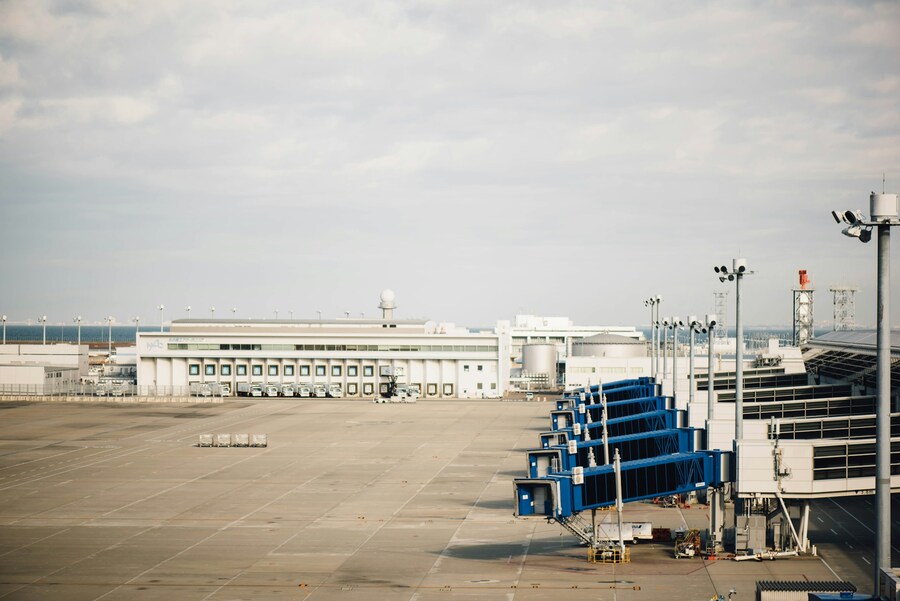
 Source: Aarush Kochar/Unsplash
The question of whether a sleep pod is worth the price tag often depends on the length of your transit and the specific amenities provided by the operator. For most travelers, the decision hinges on a simple cost-benefit analysis: is the price of a 3-hour nap comparable to the value of being alert and refreshed upon arrival? Unlike traditional airport hotels, which often require leaving the secure airside area and committing to a full nightly rate, sleep pods are designed for the "in-between" moments. They are strategically positioned near departure gates, allowing for a seamless transition from deep sleep to boarding. As we look at the current landscape of major international hubs, certain locations have perfected this model, while others struggle with basic issues like soundproofing, hygiene, and ventilation.
The gold standard: where luxury meets the layover
Singapore Changi Airport (SIN) consistently sets the bar for passenger experience, and its approach to rest facilities is no exception. The airport features a range of options, but the premium nap pods located within various transit lounges are often cited as the best in the world. These units are more than just beds; they are integrated wellness environments. Top-tier pods here frequently include ergonomic reclining surfaces, ambient lighting that mimics the circadian rhythm, and high-quality noise-masking technology. The focus is on a holistic recovery process, ensuring that even a 90-minute power nap provides maximum physiological benefit.
In the Middle East, Dubai International Airport (DXB) has pioneered the "sleep-and-fly" concept on a massive scale. Their flagship lounges offer a variety of "Flexisuite" pods that resemble first-class airline cabins. These pods allow for a completely flat bed experience, integrated storage for carry-on luggage, and even small workstations for those who need to send a final email before drifting off. The sheer volume of units available at DXB means that, unlike at smaller hubs, you are rarely left without a place to rest, even during the peak midnight-to-4 AM transit rush.
The rise of the American Minute Suite
Across the United States, the dominant player in the terminal rest space is
European innovations and the capsule evolution
Europe has taken a slightly different path, leaning heavily into the "smart capsule" technology developed by startups. Munich International (MUC) and Vienna International (VIE) have integrated units that prioritize digital connectivity and compact efficiency. These pods, such as those operated by Napcabs or Zzzleepandgo, are often booked via a touchscreen on the exterior of the unit. While they are highly efficient and often more affordable than the American "suite" model, they can feel a bit more clinical. In Vienna, for instance, travelers often remark on the ultra-modern, almost sci-fi aesthetic of the pods. While they offer excellent security and charging capabilities, some users find the lack of a traditional mattress – often replaced by a wipeable, hygienic surface – to be a bit less "cozy" than they might prefer.
Common pitfalls: when the nap goes wrong
Not every sleep pod experience is a dream. The "worst" places to nap are often defined by a lack of maintenance or poor placement within the terminal. Some older pod models, particularly those located in high-traffic corridors without adequate soundproofing, fail at their primary job: providing silence. Travelers have reported instances in secondary hubs where the ventilation systems within the pods are either too loud or insufficient, leading to a "greenhouse effect" that makes sleeping impossible. Moreover, pods that don't offer dedicated luggage storage can create a security anxiety that defeats the purpose of relaxation. If you have to keep one eye open to ensure your bag doesn't wander off, the quality of your rest will suffer significantly.
Strategic planning for the rest-conscious traveler
Maximizing the utility of a sleep pod requires more than just showing up. The most successful "terminal nappers" treat the experience like a scheduled flight. This means checking the location of the pods relative to your departure gate well in advance. In sprawling airports like London Heathrow (LHR) or Paris Charles de Gaulle (CDG), a pod that's technically in your terminal might still be a 20-minute train ride away from your actual gate. In addition, always check for membership affiliations. Many pod providers now partner with lounge access programs or high-end credit card benefits, allowing for discounted rates or even a free hour of use.
Hygiene is another critical factor to consider. The best operators have a rigorous cleaning protocol that involves UV-C sanitization and fresh linens for every guest. Before booking, it's worth checking recent user reviews to ensure the facility is maintaining these standards. A pod that smells of stale air or shows signs of wear is a red flag that the management may be cutting corners on the essential upkeep required for such a high-turnover service.
Beyond the pod: ground transportation and pre-flight logistics
While the focus is often on what happens inside the terminal, the journey to a restful flight actually begins long before you reach the security checkpoint. For many, the stress of the airport starts in the parking lot. Navigating congested garages and hunting for a spot can elevate your heart rate and ruin your "travel zen" before you even check in. This is particularly true at busy mid-western hubs where local traffic can be unpredictable. Efficient travelers know that securing a spot in advance is the first step toward a relaxed trip. For those flying out of Missouri, finding reliable STL Airport parking can save both time and money. Utilizing various STL parking deals allows you to choose a service that fits your budget, often including a seamless shuttle that drops you right at the door. By handling these logistics early, you ensure that once you get through security, your only priority is finding that perfect sleep pod and catching up on your rest.
The future of terminal rest
As we look toward the evolution of airport infrastructure, the integration of sleep pods is becoming a standard expectation rather than a luxury perk. We are seeing a move toward more "personalized" rest, where pods can be customized through an app before you even arrive. Imagine a pod that already has your preferred temperature set, your favorite ambient "white noise" playing, and a wake-up light timed perfectly to your boarding group. The technology is already moving in this direction, with some newer installations featuring bio-sensors that track your sleep quality and provide a report on how well you recovered during your stay.
Moreover, the "sharing economy" is beginning to influence terminal rest. We may soon see more flexible models where travelers can trade lounge time for pod time, or where pods are integrated into "wellness zones" that include access to showers, meditation spaces, and healthy hydration stations. This holistic approach recognizes that sleep is just one part of the travel recovery equation.
The bottom line
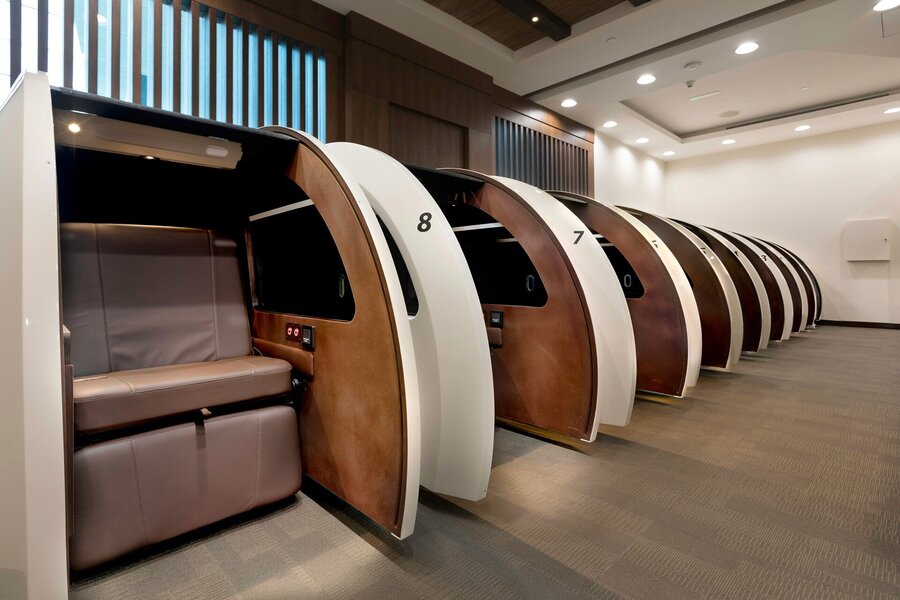
Source: Google Search
The transition of the airport from a place of frantic movement to a space that accommodates human biological needs is a welcome shift. Sleep pods represent the vanguard of this movement, offering a practical solution to the timeless problem of travel exhaustion. While the "best" pods in Singapore or Dubai offer a glimpse into a future of luxury transit, even the more utilitarian "suites" in the United States provide a much-needed upgrade over the gate-side floor. By choosing your location wisely, booking in advance and handling your pre-flight logistics like parking with foresight, you can turn a grueling layover into a refreshing pause.
Whether you need 20 minutes of "zero-gravity" reclining or 4 hours of deep sleep in a soundproof cabin, the modern airport hub finally has the tools to help you arrive at your destination feeling like a human being rather than a weary passenger. As the industry continues to innovate, the line between a terminal and a sanctuary will continue to blur, making the world feel just a little bit smaller and much more comfortable. Embracing these technological comforts allows us to reclaim our time and energy, turning the act of travel into a rewarding experience rather than a chore. May your next journey be peaceful, your layovers short, and your sleep deep. Safe travels and sweet dreams!


