

In the modern aviation landscape, finding the best deals requires moving beyond basic tricks like clearing cookies. Today's savvy travelers use sophisticated digital strategies to save hundreds by navigating international currency exchanges and regional pricing models. Because airlines adjust fares based on local demand and purchasing power, positioning yourself as a buyer in a foreign market can unlock "hidden" rates unavailable to the average consumer. This travel guide explores the mechanics of currency-based booking, how to bypass geographical tracking, and ways to avoid common "junk fees." We'll also cover essential logistics for ground transportation and airport transitions, turning high-stakes travel expenses into manageable variables. Mastering these modern hacks ensures your budget goes further while making your journey smoother and more predictable. So, let's dive in!
How can you master currency hacks to secure the lowest possible fares?
 Source: Markus Spiske/Unsplash
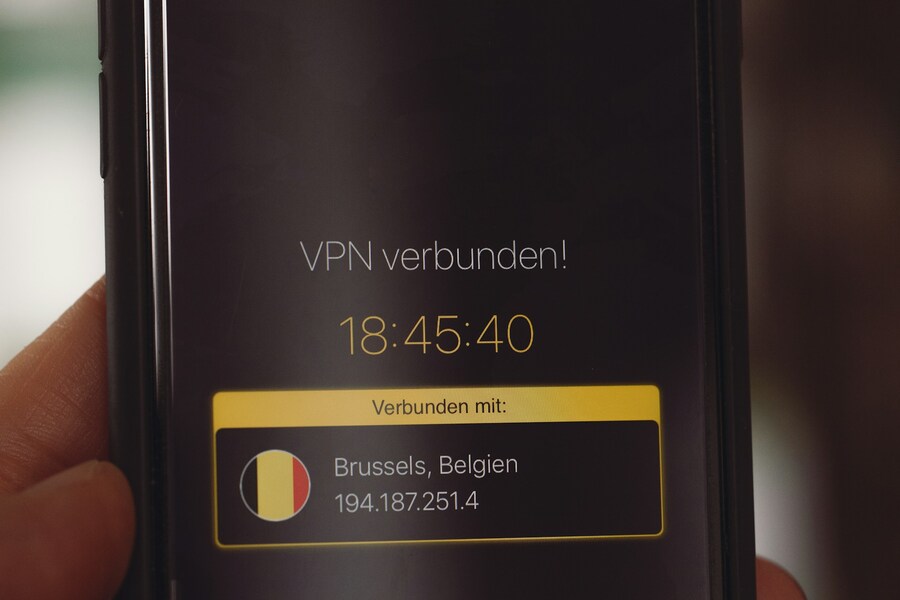
Airlines operate localized storefronts that use your IP address to set prices. Because of delayed exchange rate updates or regional promotions, booking in a foreign currency can be significantly cheaper. To exploit this, use a
The nuance of point-of-sale strategies
Beyond just changing your currency, you should consider the point-of-sale (POS) influence. Airlines often allocate a certain number of seats to specific markets. If a flight isn't selling well in a particular region, the airline might drop the price for users in that region while keeping it high for everyone else. By checking different versions of the airline's site (e.g., the .fr version for France or the .co.jp version for Japan), you're essentially shopping across different global inventories. It's important to note that while this is generally legal and within the terms of service, you should always ensure that the fare class you're booking doesn't have residency requirements. While rare for international flights, some domestic carriers in South America or Africa have specific tiers only for citizens; however, for the vast majority of international travel, the currency you pay in doesn't affect your eligibility to fly.
Maximizing the value of multi-city itineraries
Another layer of sophistication involves the use of "nested" tickets or "hidden city" ticketing, though the latter comes with risks that must be carefully managed. A more stable version of this is the "throwaway return" or "open-jaw" strategy. Sometimes, a round-trip ticket is cheaper than a one-way ticket, or a flight with a stopover is cheaper than a direct one. In the current travel climate, airlines are increasingly aggressive with their hub-and-spoke models. You can often save money by booking a flight to a secondary city with a layover in your actual desired destination, then simply disembarking at the layover point. However, this only works if you have no checked luggage, as bags will continue to the final ticketed destination. In addition, airlines have become better at tracking this, so it's a tactic to be used sparingly and never with a frequent flyer account attached, as it could lead to the forfeiture of miles.
Leveraging the power of "skip-lagged" logic safely
While the term "skip-lagging" has become a buzzword, the safer alternative is the "creative connection." This involves booking two separate one-way tickets on different airlines rather than a single round-trip or a single ticket with a connection. While traditional search engines try to do this for you, they often miss the "self-transfer" options involving low-cost regional carriers that don't have interline agreements with major airlines. By booking these legs separately – and perhaps even paying in different currencies for each leg – you can create a custom itinerary that's significantly cheaper. The risk here is that if your first flight is delayed, the second airline has no obligation to rebook you. To mitigate this, savvy travelers allow for long layovers, perhaps even a full day, to explore a "bonus" city, effectively turning a travel headache into a mini-vacation.
The evolution of flight tracking and price protection
In the current landscape, manual searching is almost obsolete. Tools that utilize artificial intelligence now predict whether a fare will rise or fall with high accuracy. The hack here isn't just finding the low price, but knowing when to pull the trigger. Many credit cards and third-party booking sites now offer "price protection" or "price drop guarantees." If you book a flight and the price drops within a certain window, you're refunded the difference. This removes the "buyer's remorse" that often plagues travelers who book months in advance. Moreover, subscribing to premium deal newsletters that track "mistake fares" is essential. Mistake fares occur when a currency conversion is entered incorrectly by the airline or a decimal point is misplaced. These deals often last only a few hours, so being prepared to book instantly in whatever currency the mistake occurred is the key to securing a $200 business class seat across the ocean.
Baggage hacks and the weight of convenience

Source: Eminent Luggage/Unsplash
Fees are the silent killers of a travel budget. The "basic economy" trend has made it so that even a carry-on bag can cost as much as the seat itself. One of the best hacks for the modern era is investing in high-quality, lightweight "under-seat" luggage. Many airlines are now strictly measuring overhead bin bags but remain lenient with bags that fit under the seat. By mastering the art of the "capsule wardrobe" and using compression cubes, you can avoid baggage fees entirely. Moreover, if you find yourself with an overweight bag at the check-in counter, a classic but effective trick is to wear your heaviest items – boots, coats, and even pocketing heavy electronics. It may look slightly ridiculous during the boarding process, but it can save you $50 to $100 in excess weight charges.
Navigating the airport experience like a pro
The hack for a stress-free trip doesn't end with the booking. The airport experience itself is a series of optimizations. For instance, security wait times are now often predictable through various apps, but the real secret is the "right-hand rule." Most people are right-handed and instinctively head toward the right-most security lanes or check-in counters. By choosing the lanes to the far left, you often find shorter queues. In addition, rather than paying for overpriced airport food, many experienced travelers use lounge access programs. While some believe these are only for first-class passengers, many mid-tier credit cards now offer complimentary memberships or a set number of annual passes. A single visit to a lounge for a meal and a shower can easily offset the annual fee of the card, especially when traveling internationally with long layovers.
Smart ground transportation and parking logistics
A frequently overlooked aspect of the total travel cost is how you get to and from the airport. Many travelers default to expensive ride-sharing services or on-site airport parking without realizing the massive markups involved. Planning your departure is just as important as planning the flight itself. For those flying out of major hubs, looking for off-site options can lead to substantial savings that can be redirected into your travel budget. For instance, if you're departing from the Twin Cities area, you can find significant value by researching MSP parking deals rather than paying the premium for the terminal ramps. Securing your MSP Airport parking in advance not only guarantees you a spot during peak travel seasons but often unlocks rates that are half the price of the drive-up options. This kind of logistical foresight is the hallmark of a traveler who understands that every dollar saved on the "boring" parts of travel is a dollar that can be spent on experiences at the destination.
The role of technology in real-time problem solving
In the event of a flight delay or cancellation, the biggest hack is avoiding the long line at the customer service desk. While everyone else is standing in line, you should be on the phone with the airline's international help desk (which often has shorter wait times) or using the airline's app to rebook yourself. Interestingly, contacting the airline's social media team on platforms like X (formerly Twitter) can often result in a faster response than a phone call. Moreover, understanding your rights – such as EU 261 protections in Europe or similar passenger rights in other regions – can result in significant cash compensation for delays. Never take the first voucher offered; knowing the law allows you to demand what you're legally owed, which is often a cash payment that can fund your next trip entirely.
Timing your purchases and the myth of the last minute
The old adage of "last-minute deals" is largely a myth in the modern era of air travel. Airlines now use sophisticated software that recognizes the desperation of last-minute business travelers and jacks up the prices accordingly. The "sweet spot" for booking is generally recognized as 1-3 months for domestic flights and 2-8 months for international journeys. However, if you're using the currency hack mentioned earlier, these windows can be even more flexible. By checking the prices in a currency that's currently weakened against your own, you might find that even a "late" booking is still affordable. Monitoring global economic trends – though it sounds daunting – is as simple as a quick search for "weakest currencies this month." If a country's currency has taken a dip, look for flights departing from or connecting through that country.
The bottom line
 Source: Jakub Żerdzicki/Unsplash
Modern air travel is a game of information symmetry. While airlines hold the data, currency hacking allows you to level the playing field by bypassing regional inflation and leveraging global economic shifts. By combining these tactics with a strategic approach to logistics – like smart parking and baggage management – you transform from a passive consumer into an active strategist. The "cheapest" flight isn't just the first result; it's found at the intersection of the right currency, point of sale, and timing. Using these tools ensures your budget stretches further, reducing the friction of travel so you can focus on what truly matters: the experiences and memories waiting at your destination. Happy travels and may your next adventure be your most affordable and memorable one yet!


