

Navigating airport security efficiently can easily make or break your trip, whether departing on an urgent business trip or embarking on a family vacation. While securing domestic airport parking in advance sets a solid foundation for your departure, the real test of travel efficiency occurs at the Transportation Security Administration (TSA) checkpoint. Reserving your vehicle space ahead of time using our reservation system at AirportParking.deals eliminates pre-flight stress before you even arrive at the terminal. However, once inside, mastering TSA screening protocols is essential to ensure your belongings pass through security without incident. While most flyers know basic rules like removing shoes and taking out laptops, many subtle regulations remain widely misunderstood. A minor oversight – such as packing gourmet spreadable cheese, carrying unlabelled prescription liquids, or allowing analog film through a scanner – can cause confiscated property, delays, or ruined travel memories. This logistics guide breaks down 8 critical, lesser-known TSA rules every traveler should know.
Which Unexpected TSA Rules Could Make or Break Your Next Flight?
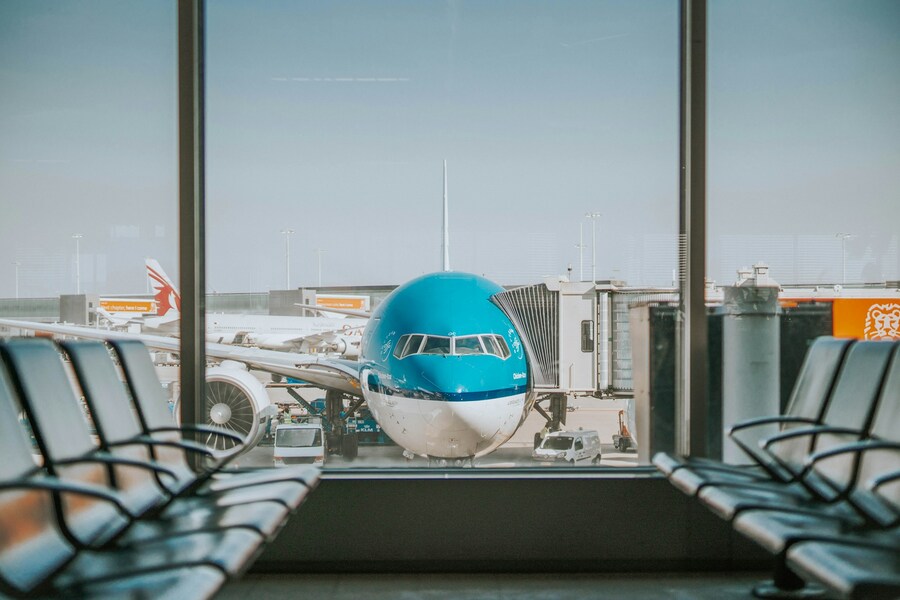 Source: Oskar Kadaksoo/Unsplash
1. Undeveloped Film Requires Manual Hand Inspection to Prevent Scanner Damage
Traditional film photography has experienced a major resurgence among travelers, but modern airport screening equipment can permanently ruin both unexposed and exposed film. While older X-ray machines posed minimal risk to film under 800 ISO, newer Computed Tomography (CT) 3D scanners emit radiation strong enough to destroy unprocessed film in a single pass, causing severe fogging and color degradation. To protect your film, never place unprocessed rolls or cameras in checked luggage where high-powered scanners operate. Instead, keep all film in your carry-on inside a clear plastic bag, hand it directly to a TSA officer before placing items on the belt, and request a manual hand inspection. Arrive 15 minutes early so officers can complete physical swab testing without disrupting your boarding schedule.
2. Solid Foods Are Permitted in Carry-Ons, but "Spreadables" Fall Under Liquid Rules
Bringing your own snacks to the airport saves money and ensures healthier choices, and the TSA explicitly permits solid foods like sandwiches, hard cheeses, boiled eggs, fruit, nuts, and cooked meats in carry-on bags. However, major complications arise with food items occupying the gray zone between solids and liquids. Under TSA guidelines, any food product that can be poured, pumped, spread, squeezed, smeared, sprayed, or spilled is classified as a liquid, gel, or aerosol. This means popular items like peanut butter, hummus, Nutella, yogurt, soft cheeses, jams, honey, salsa, and salad dressings fall under the strict 3-1-1 liquids rule. Each container must be 3.4 ounces (100ml) or less and fit inside a single quart-sized clear bag; larger containers will be confiscated regardless of remaining fluid.
3. Reusable and Eco-Friendly Eating Utensils Are Allowed in Carry-Ons
As environmental sustainability becomes a priority for modern travelers, many carry personal reusable cutlery sets to eliminate single-use plastics during their journeys. Fortunately, TSA regulations permit standard eating utensils made of plastic, wood, bamboo, or metal in carry-on luggage. The critical factor governing permission is blade design: round-bladed butter knives and standard forks are completely acceptable for onboard travel. Conversely, knives with sharp points, heavy serrations, or tactical features remain strictly prohibited. Multi-tools with folding blades, pocket knives, and utility cutters must be packed in checked luggage. When packing an all-in-one travel utensil kit, ensure any knife component features a smooth, blunt edge to guarantee smooth passage through X-ray screening without triggering confiscation.
4. Prescription and Over-the-Counter Medications Enjoy Special Exemptions
Managing health needs while traveling requires clear awareness of security policies, but the TSA handles medical supplies with far greater flexibility than standard consumer goods. Passengers can carry prescription pills, over-the-counter tablets, vitamins, and supplements in unlimited quantities in both carry-on and checked luggage. Moreover, liquid, gel, and aerosol medications – such as cough syrups, liquid antibiotics, or specialized eye drops – are exempt from standard 3.4-ounce limits. You may bring medically necessary liquids in larger quantities provided you declare them to security personnel at screening entry. Separate liquid medications from standard carry-on items so officers can perform visual or swab testing. While federal TSA guidelines don't strictly require original pharmacy packaging, keeping medications in labeled bottles avoids potential legal confusion with state laws.
5. Creams, Lotions, and Gels Are Governed by the Strict 3-1-1 Rule
Cosmetics and personal hygiene items represent the largest category of goods confiscated at TSA checkpoints because travelers assume thick creams, body lotions, toothpastes, or hair gels are exempt from liquid limits. However, TSA guidelines classify any product without a rigid solid structure as a liquid or gel. If a cosmetic product can be squeezed, smeared, or spread, it must strictly comply with the 3-1-1 rule: containers cannot exceed 3.4 ounces (100ml) and must all fit into one quart-sized clear bag. Crucially, TSA officers evaluate container capacity rather than remaining liquid volume, meaning a half-empty 6-ounce tube of lotion will be confiscated. To protect expensive toiletries, transfer them into approved 3.4-ounce travel containers or pack larger bottles inside checked luggage.
6. Expensive Jewelry Should Be Worn Through Security, Not Placed in Bins
Deciding how to handle high-value jewelry – such as engagement rings, luxury watches, or heirloom necklaces – during security screening often causes anxiety, leading travelers to remove items and place them loosely in screening bins. This habit exposes valuable belongings to severe risks of loss, theft, or damage in crowded collection areas. TSA security protocols actually recommend wearing high-value jewelry through screening machinery. Fine metals like gold, silver, and platinum rarely trigger alarms on body scanners or metal detectors unless a piece is exceptionally bulky. By wearing your fine jewelry, you maintain continuous physical control over your assets. If you must remove a valuable piece, place it securely inside a zippered interior compartment of your carry-on bag rather than tossing it loose into a bin.
7. Live Plants Are Permitted on Planes (Subject to Agricultural Restrictions)
Transporting live plants, whether as unique travel souvenirs or thoughtful gifts, is entirely permissible under TSA security rules. You can carry live potted plants or cuttings in your carry-on luggage or as a personal item, provided the plant fits comfortably within the airline's overhead bin or under-seat dimensions without obstructing aisleways or posing safety hazards. However, clearing security is only the first step when traveling with live flora. While the TSA manages security screening, individual state departments of agriculture enforce strict quarantine regulations to prevent the spread of invasive pests and plant diseases. States like California, Hawaii, and Florida maintain rigorous agricultural border inspections, so always verify your destination state's import laws before flying across state lines with botanical items.
8. Drones Are TSA-Approved, but Lithium Battery Rules Demand Careful Packing
Drones are widely popular among aerial photographers, and the TSA allows drone frames, remotes, and accessories through security checkpoints in both carry-on and checked bags. However, the critical logistical requirement lies in managing the drone's lithium-ion (LiPo) batteries. Federal aviation regulations strictly prohibit spare lithium-ion batteries in checked baggage due to thermal runaway fire risks in cargo holds, requiring all spare batteries to travel in carry-on luggage. Spare batteries under 100 watt-hours (Wh) – which covers most standard consumer drones – have no quantity limit for personal use, while batteries between 101 Wh and 160 Wh require airline approval and are capped at two spares. Prepare for security by discharging batteries to 30-50% capacity, covering battery terminals, and placing them in fireproof battery bags for quick inspection.
Streamline Your Airport Logistics with Smart Parking Solutions
 Source: Lumin Osity/Unsplash
Mastering TSA security guidelines is vital for an efficient airport experience, but successful travel logistics begin long before you reach the security line. Navigating congested airport roadways, hunting for open spots in expensive terminal garages, and stressing over timing can derail your schedule before your flight even boards. Incorporating smart ground transportation logistics into your travel plan ensures that you arrive at the terminal relaxed, organized, and ahead of schedule.
Securing off-site airport parking in advance guarantees a reserved parking space, includes dedicated shuttle transfers directly to your terminal, and delivers substantial financial savings. By utilizing an airport parking promo code through our reservation system at AirportParking.deals, travelers can access premium off-site parking facilities at rates far lower than standard terminal drive-up prices. Booking competitive airport parking rates ahead of time eliminates arrival friction, granting you the extra time necessary to complete security screening, manage special baggage requests, and navigate checkpoint queues with complete confidence. Reliable ground logistics paired with thorough TSA preparation guarantee a seamless departure every single time.
Conclusion
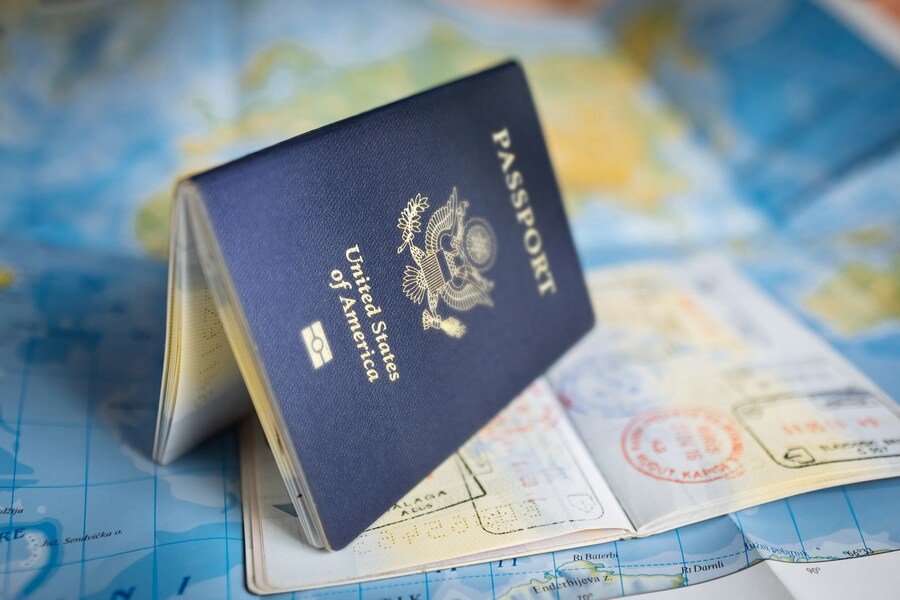 Source: Global Residence Index/Unsplash
Understanding these 8 lesser-known TSA security rules is the most effective way to eliminate airport friction and transform potential travel delays into a smooth, efficient journey. By insulating undeveloped film from CT scanners, distinguishing between solid and spreadable foods, wearing fine jewelry through screening, and properly packing drone batteries in your carry-on, you safeguard your valuable belongings while expediting your path to the departure gate.
Pairing your TSA knowledge with proactive pre-trip planning creates the ultimate hassle-free travel experience. Take full control of your departure today by using our reservation system at AirportParking.deals to lock in guaranteed parking spaces, compare top-rated off-site options, and take advantage of the best available rates. Reserve your parking spot now and enjoy complete peace of mind from your front door to your flight!


