

Nothing ruins a dream vacation or crucial business trip faster than arriving at the gate only to discover you cannot board your flight. Standing at the departure terminal with your coffee in hand feels like the final step of your journey, but holding a ticket doesn't guarantee a seat on the aircraft. Whether it stems from an unexpected paperwork glitch or a strict timing cutoff, denied boarding creates an immediate logistical headache – forcing you to rebook flights, reorganize hotel stays, or quickly cancel airport parking reservation arrangements before non-refundable fees accumulate.
Understanding your passenger rights and the exact rules airlines enforce can save you from getting stranded at the gate. Below, we examine 5 legally grounded reasons airlines can deny you boarding – based on current travel regulations – and how to safeguard your entire itinerary from garage to gate.
Could One of These Hidden Airport Pitfalls Leave You Stranded at the Gate?
 Source: CardMapr.nl/Unsplash
1. REAL ID Non-Compliance and ID Glitches
Federal regulations dictate strict identification standards for all domestic air travel within the United States. To pass TSA checkpoints and board your flight, your state-issued driver's license or identification card must be REAL ID-compliant – clearly marked with a star, flag, or the word "enhanced" in the upper corner.
While visiting your local Department of Motor Vehicles (DMV) is the standard pathway to upgrade your driver's license, travelers without a REAL ID can still use a valid passport or another approved form of government identification listed by the TSA. However, attempting to fly domestically without a REAL ID or a recognized alternative triggers additional security protocol and a $45 non-compliance processing fee. If you fail to present acceptable identification altogether, the airline has no choice but to refuse entry to the departure area.
2. Boarding Out of Zone and Line-Cutting
Waiting in the gate area can test anyone's patience, but trying to skip ahead of your assigned group can backfire. Gate agents possess full legal authority to refuse boarding to any passenger who disregards instructions or fails to follow proper airport etiquette.
Major carriers are actively using technology to enforce boarding order. American Airlines utilizes automated gate technology that immediately flags passengers who attempt to scan their boarding pass before their designated zone is called. When the scanner alerts the agent, the traveler is instructed to step aside and wait until their group is officially summoned. If you require early boarding due to medical needs, mobility assistance, or traveling with small children, always speak directly with a gate agent before the general boarding process begins.
3. Passport Damage Beyond Wear and Tear
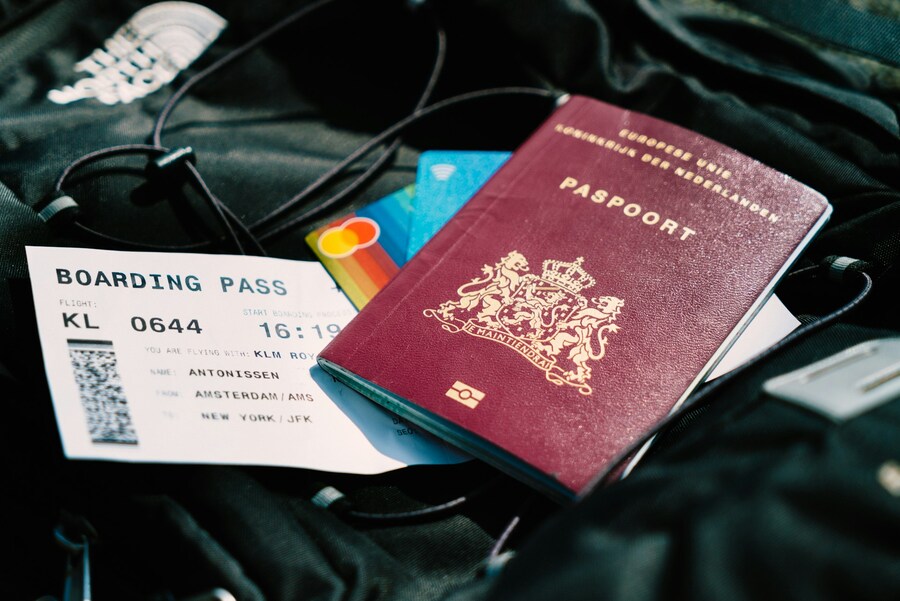
For international travel – or for domestic trips where a passport serves as your primary identification – an expired document isn't the only reason you might be turned away. Significant passport damage can render your official travel document completely invalid in the eyes of airline check-in agents and border officials.
According to the U.S. Department of State, condition issues that go beyond normal wear and tear include:
- Torn, loose, or missing pages.
- Peeling laminate on the primary identification photo page.
- Liquid damage or significant staining across text fields.
- Unauthorized markings, stickers, or unofficial stamps.
Because individual gate agents and immigration officers evaluate passport conditions subjectively, even minor damage on the data page can result in an immediate refusal to board. Protecting your passport in a durable cover and replacing a visibly worn document well ahead of your departure date is essential.
4. Missing Check-In and Gate Closure Deadlines
Running late is one of the most frequent reasons passengers are denied boarding. Airlines operate on tight turnaround schedules, and missing a mandatory time threshold gives gate agents the right to reassign your seat to a standby passenger.
While standard travel guidance recommends arriving two hours prior to domestic departures and three hours before international flights, carriers enforce strict hard minimums:
- Check-In Cutoffs. American Airlines requires domestic check-in at least 45 minutes prior to departure (90 minutes for international routes), while Delta Air Lines sets a 30-minute domestic cutoff at most U.S. airports. Missing these windows prevents boarding pass generation, especially if you have checked luggage.
- Gate Door Closure. Most airlines close the aircraft jetway doors precisely 15 minutes before scheduled takeoff. Once those doors lock, gate agents won't reopen them under any circumstances.
5. Involuntary Bumping Due to Flight Overbooking
Airlines regularly sell more tickets than physical seats on an aircraft to compensate for statistical no-show rates. When every ticketed traveler turns up at the gate, the flight becomes oversold.
Federal guidelines from the Department of Transportation (DOT) require airlines to first ask for volunteers willing to surrender their seats in exchange for travel vouchers or financial incentives. If an insufficient number of passengers volunteer, the airline initiates Involuntary Denied Boarding (IDB). Passengers are selected for bumping based on check-in time, fare class, or frequent flyer status. To reduce your risk of being involuntarily bumped:
- Check in online as early as possible (typically 24 hours prior to departure).
- Join the carrier's free frequent flyer program.
- Select your seat assignment at the time of booking rather than waiting for gate assignment.
Ground Logistics: Protecting Your Wallet and Vehicle During Travel Disruptions
 Source: Stockholm Paris Studio/Unsplash
When an airline turns you away at the gate, the immediate chaos centers on rebooking flights and adjusting hotel reservations. However, ground transportation logistics represent a significant source of unexpected costs if ignored. If your vehicle is parked at an expensive airport terminal garage while you navigate a flight disruption, daily rates can mount rapidly.
Prioritizing Airport Parking Safety
Knowing your car is stored in a secure location brings essential peace of mind when flight plans fall apart. Dedicated off-site parking facilities emphasize airport parking safety by offering key security protections:
- 24/7 video surveillance and perimeter fencing.
- Well-lit parking structures and continuous security patrols.
- On-site staff present around the clock to assist returning travelers.
Whether your car sits for an extra six hours or several additional days while you resolve a boarding issue, choosing a secure lot ensures your personal vehicle remains protected against damage or theft.
Smart Airport Parking Alternatives
Relying exclusively on official on-airport garages leaves travelers exposed to top-tier daily pricing and rigid refund rules. Exploring airport parking alternatives – such as off-site parking garages, hotel parking arrangements, or valet facilities – provides significant financial and operational advantages:
- Massive Cost Savings. Off-site parking facilities frequently run 40% to 70% cheaper than short-term terminal garages.
- Flexible Modification Policies. Quality off-site providers allow you to adjust check-in times or extend stays directly through your smartphone.
- Complimentary Shuttles. Vetted off-site lots run continuous shuttle services to deliver you directly to your terminal departure door.
What to Do If You Are Denied Boarding: A Quick Checklist
 Source: Steve A Johnson/Unsplash
If you are turned away at the gate, taking structured steps helps minimize financial loss and speeds up your recovery:
- Ask for Written Notice. Request an official statement from the gate agent explaining the exact legal ground for refusal (necessary for travel insurance or DOT claims).
- Verify Compensation Eligibility. If bumped involuntarily due to overbooking, review DOT rules regarding cash compensation entitlement.
- Adjust Your Ground Transportation. Log into our reservation system immediately to update your parking reservation details or cancel the booking if your trip is abandoned.
- Rebook Efficiently. Use the airline's mobile application or call customer service directly rather than standing in long airport customer service lines.
Take Control of Your Travel Strategy with AirportParking.deals
 Source: Oskar Kadaksoo/Unsplash
While you cannot always predict overbooked flights or unexpected gate door closures, you can maintain total control over your ground logistics. Unplanned airline disruptions don't have to mean wasted money, exorbitant garage fees, or compromised vehicle safety.
Before heading out on your next journey, ensure your ground travel plans are built for maximum flexibility. Visit AirportParking.deals and utilize our reservation system to compare top-rated, secure off-site parking facilities near your departure airport. Secure guaranteed low rates, enjoy robust 24/7 parking safety, and benefit from flexible cancellation policies – giving you complete confidence every time you travel!


