

The allure of East Africa is undeniable, drawing travelers with the promise of endless golden savannas, the majestic presence of the "Big Five," and the raw, untamed beauty of landscapes that feel as though they have remained unchanged since the dawn of time. For many, a safari in Kenya or Tanzania represents the pinnacle of adventure travel – a bucket-list experience that combines physical exploration with profound encounters with the natural world. However, deciding between these two giants of African tourism can be a daunting task for the uninitiated. Both nations offer world-class wildlife spectacles, remarkable cultural depth, and breathtaking topography, yet they provide fundamentally different experiences depending on what you value most in your journey. As a team that has spent years navigating the dust-choked trails of the Serengeti and the sweeping grasslands of the Maasai Mara, we've seen how the subtle nuances between these neighbors can drastically alter the trajectory of a trip. The choice is rarely about which country is objectively "better" but rather about which environment aligns with your personal vision of the perfect expedition into the wild. This travel guide aims to demystify the process, helping you weigh the specific strengths of each destination to ensure your African adventure is everything you have envisioned.
So, how do you decide between Kenya and Tanzania for your safari?
Source: Bibhash (Polygon.Cafe) Banerjee/Unsplash
When you begin the process of planning an East African safari, it's vital to understand that the border between Kenya and Tanzania is, in many ways, an artificial construct created by colonial history rather than natural ecology. The Great Migration, perhaps the most famous wildlife movement on the planet, flows seamlessly across the Mara River, ignoring the international lines that divide the Serengeti in Tanzania from the Maasai Mara in Kenya. Yet, once you step on the ground, the "vibe" of the experience shifts. Kenya is often perceived as the more established, accessible, and high-energy destination, characterized by a well-developed tourism infrastructure that makes it ideal for first-timers and families. Tanzania, conversely, is frequently painted as the wilder, more sprawling, and perhaps more romantic cousin, offering vast, remote expanses that feel profoundly untouched. The decision requires a deep dive into how you want to interact with nature, how much time you are willing to spend in transit, and what specific types of wildlife encounters you prioritize.
The dynamics of wildlife encounters
Wildlife viewing is the heartbeat of any safari, and both nations deliver in spectacular fashion. Kenya is renowned for its concentrated wildlife populations, particularly in the Maasai Mara, where the density of big cats is arguably the highest in the world. You are almost guaranteed to see lions, leopards, and cheetahs within your first 24 hours of game drives. The landscape in Kenya is often more open, making it easier to spot animals from a greater distance. In contrast, the wildlife experience in Tanzania is defined by its sheer scale. Because the national parks are so massive, you might spend more time traveling between sightings, but the rewards are profound. The Ngorongoro Crater, for example, is a self-contained ecosystem where you can witness a staggering concentration of animals within a relatively compact space. It's a theater of nature where the drama unfolds in a high-walled caldera, offering a completely different sensation than the open plains of the Serengeti.
Exploring game parks and landmarks
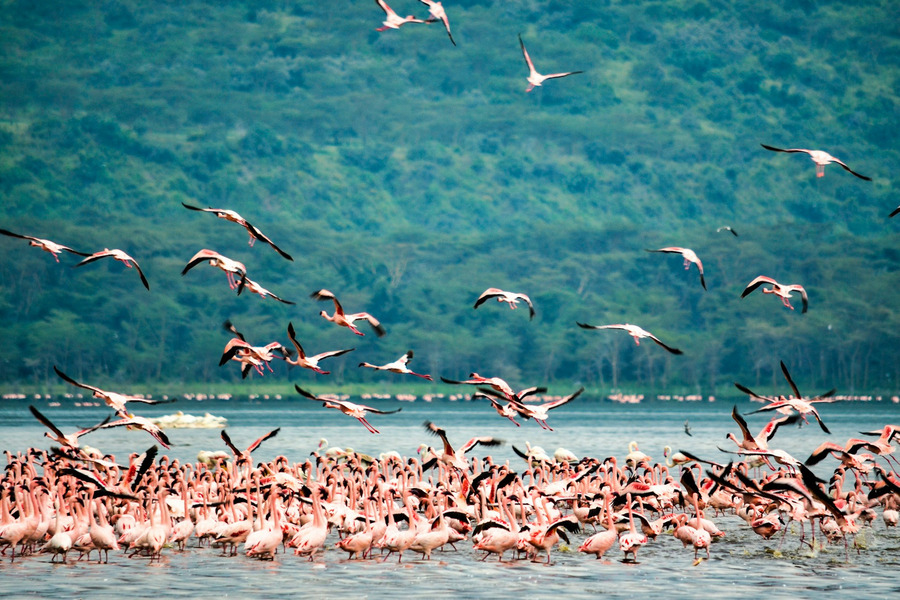
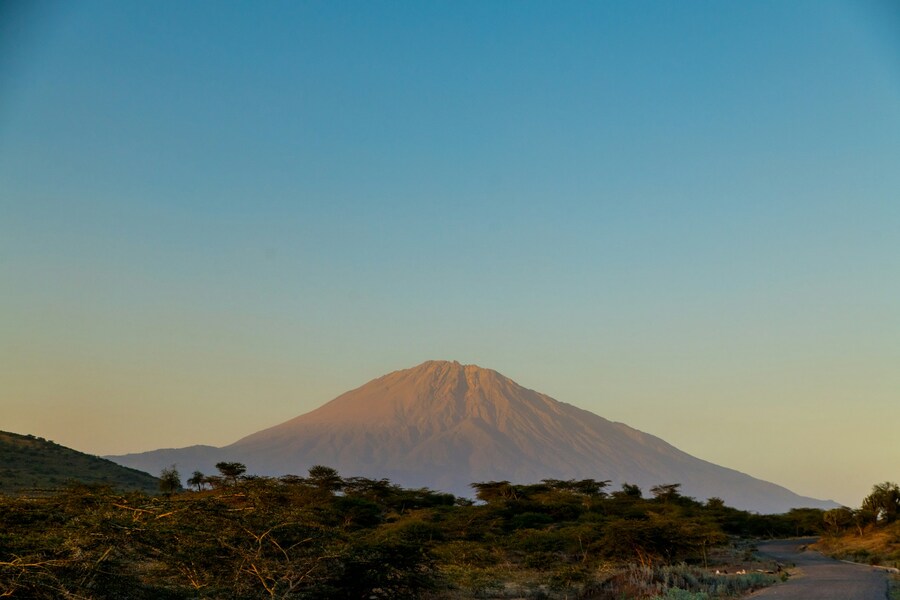
Kenya's portfolio of landmarks is diverse. Beyond the Mara, you have Amboseli National Park, which offers the iconic view of elephants wandering against the backdrop of Mount Kilimanjaro – a view that's technically located in Tanzania but best appreciated from the Kenyan side. Then there's Lake Nakuru, famous for its birdlife and flamingos, and Samburu, which offers a starkly beautiful, arid environment where you can find unique species like the reticulated giraffe and the Somali ostrich. Tanzania's landmarks are equally legendary but distinct. The Serengeti is a vast, rolling ocean of grass that seems to go on forever, offering a sense of solitude that's hard to replicate. The Selous Game Reserve, now known as Nyerere National Park, provides an entirely different, water-based safari experience, allowing for boat safaris that reveal hidden facets of wildlife behavior along the Rufiji River. Meanwhile, the towering peak of Kilimanjaro remains the ultimate pilgrimage for trekkers, serving as the crown jewel of Tanzania's natural majesty.
The lure of the beaches
It's a common misconception that a safari must be an inland endeavor. Both Kenya and Tanzania offer spectacular coastal retreats where the ruggedness of the bush meets the tranquil beauty of the Indian Ocean. Kenya's coastline, particularly around Diani Beach, is celebrated for its white, powdery sand and warm, turquoise waters. It feels like a tropical paradise that has been perfectly preserved, offering a relaxed atmosphere that's the ideal antidote to the intensity of dusty game drives. The offshore coral reefs provide exceptional snorkeling and diving opportunities, allowing you to transition from watching giants on land to exploring the vibrant life beneath the waves.
Tanzania's coastal offering is anchored by the archipelago of Zanzibar. Stone Town, with its winding alleyways and spice markets, provides a historical and cultural depth that's quite different from Kenya's beach resorts. The beaches of Zanzibar are legendary, with Nungwi and Kendwa offering sunset views that are simply unparalleled. The island experience is much more immersive; you can spend days wandering through spice plantations, exploring the deep history of the Swahili Coast, and enjoying the unique fusion of cultures that defines this region. For those who want to combine their wildlife adventures with a significant cultural and historical component, the Tanzanian coast offers a more textured experience.
Which option is right for your travel style?
Source: K15 Photos/Unsplash
Selecting between these two destinations often comes down to your personal travel style and logistical preferences. If you are a first-time visitor who wants maximum convenience, higher densities of wildlife in a smaller area, and a more structured, polished service experience, Kenya is likely your best bet. Its infrastructure is built to cater to a wide range of budgets, and you can see a tremendous amount of nature in a relatively short period. If you have a longer itinerary, a penchant for "slow travel," and a desire to venture into deep, remote wilderness where you might not see another vehicle for hours, Tanzania should be at the top of your list. It rewards the patient traveler with a sense of isolation and grandeur that's genuinely transformative.
- Kenya strengths: Accessibility, high wildlife concentration, established luxury camps, family-friendly atmosphere.
- Tanzania strengths: Vast remote wilderness, unique geological landmarks like the Ngorongoro Crater, a more diverse range of remote parks, and the cultural richness of Zanzibar.
Beyond the logistical side of choosing your destination, the actual process of getting there matters just as much. Traveling internationally requires careful coordination of flights and ground logistics to ensure your vacation begins without stress. Many travelers flying out of Canada, for instance, find that managing their travel arrangements – including securing reliable transportation to the airport – is the first step toward a successful journey. If you are departing from Ottawa, you may want to look into professional options for your vehicle; exploring YOW Airport parking is a smart way to find secure facilities, and using YOW parking deals can help keep your budget in check before you even set foot on the continent, ensuring your mind is free to focus on the savanna ahead.
The trade-off between the two countries also extends to the feeling of "wildness." In Kenya, you are rarely far from a lodge or a well-trodden path, which can provide a sense of security for those new to the African interior. In Tanzania, the sheer size of the parks means that you are more reliant on your guide and your vehicle to navigate the terrain. This requires a bit more trust in the process and a willingness to be truly "out there." Both countries provide extraordinary opportunities for photographic safaris, as the light in East Africa is famous for its golden quality, especially during the early mornings and late afternoons when the animals are most active.
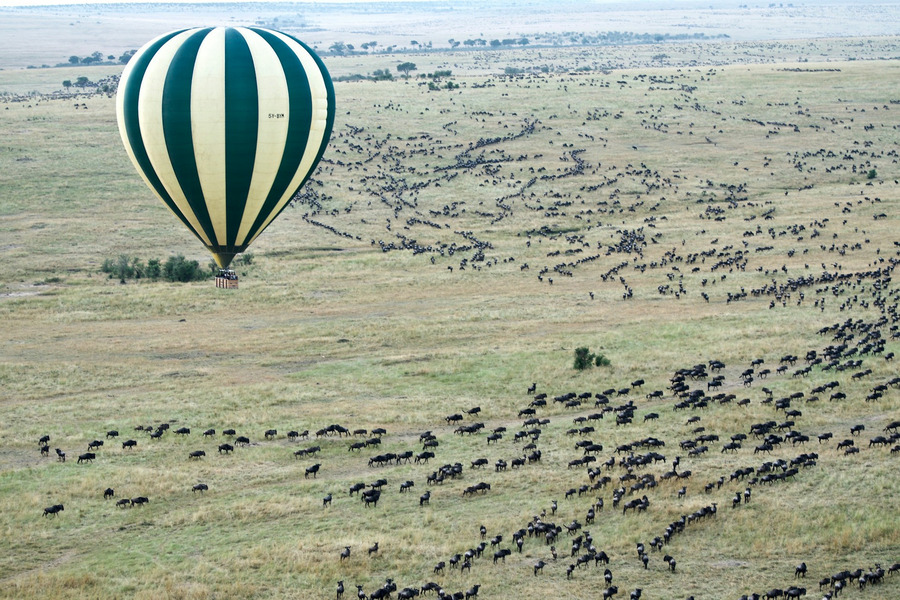
Moreover, consider the timing of your trip. The Great Migration moves in a roughly clockwise direction throughout the year. If you are specifically chasing the herds, you need to align your choice of country with the month you intend to travel. From July to October, the Mara in Kenya is the place to be for the dramatic river crossings. From January to March, the southern Serengeti in Tanzania is the site of the calving season, offering a chance to see newborn animals and the predators that follow them. Your travel advisor can help you map out these seasonal movements, but ultimately, your destination choice acts as the anchor for the entire timing of your adventure.
Regardless of your choice, the impact of these landscapes will be profound. The sound of a lion's roar in the middle of the night, the sight of a herd of elephants silhouetted against a setting sun, and the vast expanse of a sky filled with more stars than you thought possible – these are experiences that stay with you for a lifetime. Whether you find yourself in the bustling heart of the Maasai Mara or the silent, volcanic heights of the Ngorongoro, the essence of the safari is found in the surrender to nature's rhythms. It's a reminder of our connection to the planet and a testament to the incredible efforts being made to conserve these ecosystems for future generations.
Conclusion
Source: Jason Hafso/Unsplash
Ultimately, the choice between Kenya and Tanzania is a win-win scenario. There's no wrong decision when you are venturing into the heart of East Africa's wilderness. Kenya offers a fast-paced, high-density wildlife experience that's perfect for those who want to pack as much action as possible into a shorter timeframe, all while enjoying some of the most sophisticated tourism infrastructure on the continent. Tanzania offers an expansive, wild, and deeply rewarding journey into some of the most remote and iconic landscapes on Earth, ideal for those seeking solitude and a more profound disconnection from the modern world. Both nations have invested heavily in conservation, and by choosing either, you are supporting the local communities and the protection of wildlife that makes East Africa such a precious treasure. Reflect on what truly moves you – is it the sheer spectacle of the migration, the solitude of the plains, the historical allure of the coast, or the ease of the logistics? Once you identify your priority, the path forward becomes clear. Prepare for the dust, the sun, and the awe-inspiring encounters that await, and rest assured that whichever nation you select, you are heading toward an unforgettable chapter in your life's travel story. The spirit of the savanna is waiting, and no matter the border you cross, the experience will define your understanding of the natural world forever!


