

Air travel is a complex, orchestrated dance thousands of feet above the earth, managed by professionals dedicated to your safety and comfort. Yet, a common hesitation often arises among passengers: the uncertainty surrounding the overhead call button. Some travelers treat it as a lifeline for minor inconveniences, while others avoid it entirely, fearing it might annoy the cabin crew. This anxiety highlights a misunderstanding of how the cabin environment operates. Flight attendants aren't avoiding your requests; they are hardworking individuals balancing critical safety protocols with the logistical challenge of serving hundreds of people in a confined space.
Understanding the purpose of the call button is essential for a smoother, more enjoyable flight experience for everyone. By gaining insight into the perspective of those working in the aisles, you can transform your approach to in-flight communication, ensuring you receive necessary help while respecting their professional responsibilities. This travel guide demystifies call button etiquette, offering clarity on when to use it, why it exists, and when other avenues are more effective.
So, what flight attendants really think when you press the call button?
Source: Tymur Kuchumov/Unsplash
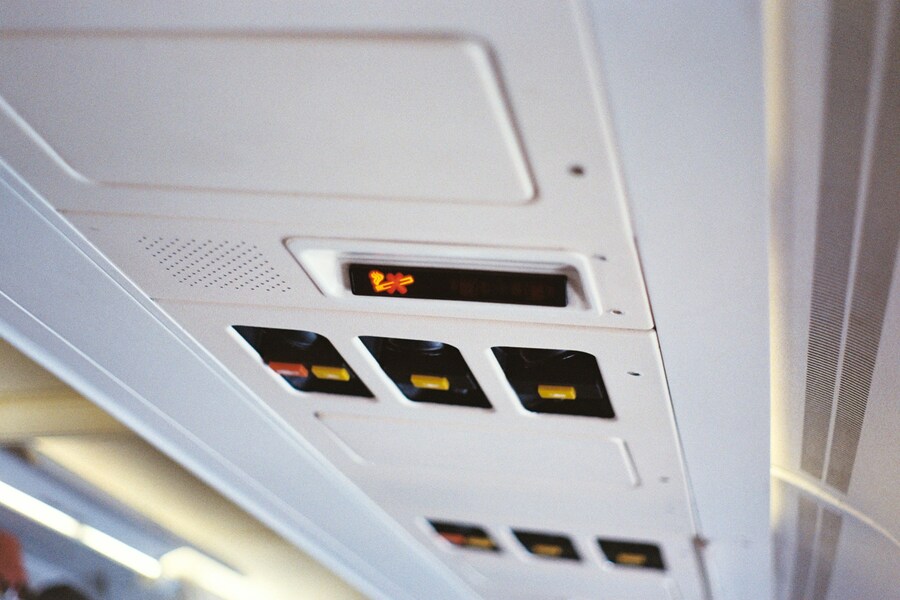
Flight attendants view the call button as an essential safety and service tool. They prioritize responding quickly, as every chime could represent anything from a minor request to a medical emergency.
Why the call button matters
The primary purpose of the call button is to provide a discrete and efficient way for passengers to alert the crew to a need without having to physically flag them down, which can be disruptive to other passengers or difficult during times when the crew is busy in the aisles. Touching or poking a flight attendant to get their attention is universally frowned upon and should never be done. It's unprofessional, intrusive, and can easily startle someone who's focused on a safety task. The call button, therefore, serves as the respectful, professional alternative to physical contact.
Moreover, it's important to realize that the flight attendants' perspective on the button is deeply rooted in their commitment to accessibility. For passengers with mobility issues, hearing impairments, or those who simply feel uncomfortable navigating a crowded cabin, the call button isn't a luxury; it's a vital necessity. It ensures that regardless of where a passenger is seated or what physical limitations they might have, they remain connected to the help they need. From the crew's viewpoint, the chime is a signal that a customer requires their attention, and they are trained to answer that signal with a sense of urgency. When you use the button appropriately, you aren't being a nuisance; you are engaging in the system designed specifically to bridge the gap between your needs and their services.
When you should press the call button
Knowing when to press the button largely comes down to exercising common sense and considering the urgency of your situation. Safety is the top priority in aviation. If you are experiencing a medical issue – feeling faint, having difficulty breathing, or experiencing pain – the call button is the absolute correct way to alert the crew. Don't hesitate and don't worry about whether your issue is "big enough." Flight attendants are trained to triage medical situations, and they would rather attend to a passenger who turns out to be fine than miss an opportunity to help someone in genuine distress. If the situation is severe, don't feel shy about ringing it multiple times; it's the most effective way to communicate an emergency.
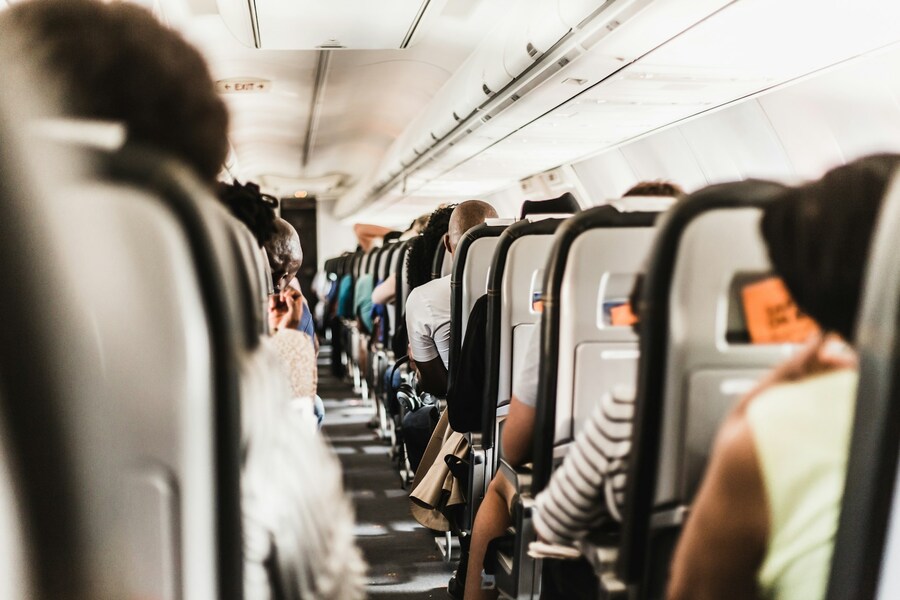
Beyond medical emergencies, there are many legitimate reasons to use the button. If you are seated in a window or middle seat and need a beverage or assistance, and you cannot easily exit your row without inconveniencing others, the call button is designed exactly for this purpose. It's also completely acceptable to use the button if you have an urgent question regarding your connecting flight, immigration forms, or if you simply need reassurance during an episode of turbulence or intense anxiety. If a flight attendant promised to bring you an item earlier in the flight and hasn't returned after a reasonable amount of time, a polite press of the button to remind them is also acceptable. The key is to view the button as a tool for actual assistance rather than a concierge bell used for trivial amusement.
Source: Gerrie van der Walt/Unsplash
When it's better to wait – or not use the call button at all
The frustration for flight attendants occurs not when the button is used for help, but when it's abused. Think of the call button as a serious communication tool, not a service-on-demand app. Requesting trivial items, such as asking for the current time – which is almost always displayed on your seatback entertainment screen – or ringing the button to have a flight attendant remove your trash, is considered a misuse of the resource. Flight attendants perform regular "trash runs" throughout the flight, moving through the cabin with bags to collect waste. Waiting for these passes is the standard, courteous behavior.
Timing is arguably the most critical aspect of call button etiquette. During critical phases of flight, such as taxiing, takeoff, and the final stages of landing, you should avoid pressing the call button entirely unless it's an absolute emergency. During these times, flight attendants are either seated and strapped in, or they are busy ensuring the cabin is safe for the flight phase change. Getting up or demanding attention for non-urgent matters during these times can be a significant distraction and, in the case of turbulence or sudden maneuvers, a safety hazard. Moreover, avoid ringing the bell simply because you are impatient while the crew is in the middle of a cabin-wide service, such as meal or beverage distribution. They are already actively working to assist every single passenger, and ringing the bell while they are visibly occupied won't speed up your request; it only serves to disrupt their workflow. Finally, ensure that children aren't using the button as a toy. It's a frequent source of annoyance for both the crew and fellow passengers.
The alternative: visit the galley
If your need is non-urgent, such as wanting a cup of water, an extra snack, or asking a general question, the most efficient way to get help is often to head to the galley yourself. The galley is the area near the doors where the crew prepares meals and manages in-flight supplies. When the seatbelt sign is off and it's safe to move about the cabin, walking to the galley is frequently preferred by the crew. It allows you to speak with them directly and often resolves your request much faster than waiting for them to notice a call button chime.
Many travelers find that visiting the galley also provides a welcome opportunity to stretch their legs after being seated for an extended period. When you approach the galley, do so politely and be aware of your surroundings. If the crew appears to be intensely busy, perhaps preparing meals or cleaning, simply wait for a moment until they are free. It's important to note that if there's significant turbulence, you must remain seated, regardless of how much you may want to stretch or get water. Your safety, and the safety of the crew, is paramount, and you should never leave your seat when the seatbelt light is illuminated.
Streamline your journey with our booking platform – AirportParking.deals

Source: Erik Mclean/Unsplash
Before your next trip, remember that preparing for your travel experience begins long before you reach the terminal. If you are driving to the airport, ensuring you have a secure spot for your vehicle is essential for a stress-free start to your journey. Travelers flying from Vancouver often find that managing their parking ahead of time provides immense peace of mind. By researching YVR Airport parking options, you can secure reliable and convenient YVR parking deals that eliminate the last-minute scramble, allowing you to focus entirely on your travel plans and the comfort of your upcoming flight.
Conclusion
 Source: Cemrecan Yurtman/Unsplash
Ultimately, the goal of every flight attendant is to ensure a safe, comfortable, and efficient journey for all passengers onboard. They aren't looking to police the use of the call button, nor are they offended by passengers who have genuine needs. The button is a fundamental component of the aircraft's communication infrastructure, existing specifically to bridge the gap between your seat and their service area. The key to successful air travel, in this regard, is balance and mindfulness. Use the button when you have a legitimate need – be it medical, safety-related, or a genuine request for assistance that you cannot fulfill yourself – and you'll find that the crew is happy to help you. By avoiding the temptation to treat the button as a frivolous tool for minor inconveniences and by respecting the timing and workload of the crew, you contribute to a more pleasant environment for everyone. Trust your judgment, prioritize safety, and remember that when you are considerate of the crew's time and responsibilities, you are doing your part to ensure a smoother, more enjoyable flight experience for all. Travel is meant to be an experience of discovery and comfort, and by mastering the simple etiquette of in-flight communication, you take a significant step toward making your time in the air as seamless as possible. Use the call button when necessary, walk to the galley when you can, and always remain mindful of the hard work being done by the professionals who are there to look after you from takeoff to landing. With this approach, you can travel with confidence, knowing you are a respectful and well-informed passenger, fully prepared to navigate the unique and exciting world of air travel with ease and grace.


