

So, how can travelers best prepare for a diverse camping experience in Big Bend National Park?
Source: Caleb Fisher/Unsplash
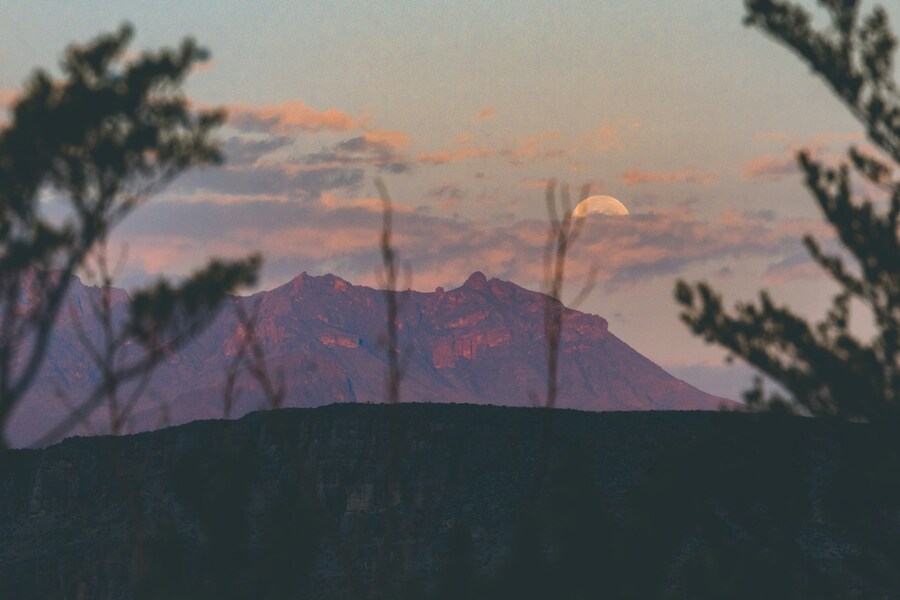
Planning your excursion requires a solid understanding of the various camping modalities available within the park's expansive borders. From developed campgrounds with essential amenities to primitive sites accessible only by high-clearance vehicles, the options are as diverse as the scenery itself.
Campgrounds in Big Bend National Park
The park features three primary developed frontcountry campgrounds managed by the National Park Service (NPS). These locations are designed to provide a baseline of comfort, typically offering running water, flush toilets, and designated spots for tents and smaller vehicles. The Chisos Basin Campground is centrally located, nestled within the protective embrace of the Chisos Mountains. This elevation provides cooler temperatures compared to the low desert, making it a favorite for those seeking to escape the intense heat of the valley. Due to its popularity and prime location, the Chisos Basin is almost always at capacity.
The Rio Grande Village Campground serves as the primary eastern hub, situated near the banks of the river that forms the natural border with Mexico. This area is lush with greenery and provides easier access to river-based activities. The Cottonwood Campground, located in the western portion of the park, is perhaps the most tranquil of the developed sites. Situated near the historic Castolon District and the Santa Elena Canyon, it offers a more isolated feel, though it's notably closed during the height of the summer heat. Each of these campgrounds requires visitors to be self-sufficient regarding certain supplies, as services within the immediate vicinity of the sites can be limited.
RV camping
For those traveling in larger vehicles, navigating the winding roads of the Chisos Basin can be challenging. Many sites have specific length restrictions that limit access for large motorhomes or long trailers. It's critical to check the specific size requirements for each campground before finalizing your travel plans. While most NPS campgrounds don't offer electric or water hookups, the Rio Grande Village RV Park – operated by a private concessionaire – provides full utility connections. This facility is a popular choice for visitors who prefer the convenience of modern amenities while maintaining close proximity to the park's main attractions. It's important to note that the number of full-hookup sites is limited, so early booking is highly recommended. Always verify the maximum length capacity for your specific RV setup, as narrow access roads and compact parking areas in the national park can make maneuvering large rigs difficult or even impossible in certain sections.
Backcountry camping
Backcountry camping is the ideal choice for those who wish to leave the crowds behind and experience the true solitude of the Chihuahuan Desert. This style of camping is intended for experienced outdoor enthusiasts who are comfortable with self-reliance. There are two primary categories of backcountry camping: primitive roadside sites and backpacking trails. Primitive roadside sites require a vehicle capable of navigating unmaintained, rugged dirt roads. These sites offer nothing more than a cleared area for your vehicle and perhaps a small space for a tent; there are no toilets, water, or trash services.
Backpacking, on the other hand, involves carrying all necessary gear into the desert or mountain interior. This provides access to some of the most stunning, untouched landscapes in the park. Because there's absolutely no water available in the backcountry, campers must carry an adequate supply for drinking, cooking, and sanitation. The desert environment is fragile, and the "Leave No Trace" philosophy is strictly enforced. Backcountry campers are expected to pack out all trash, manage human waste according to established protocols, and avoid disturbing the desert crust or local wildlife.
Campsite reservations
Source: Katie Chen/Unsplash
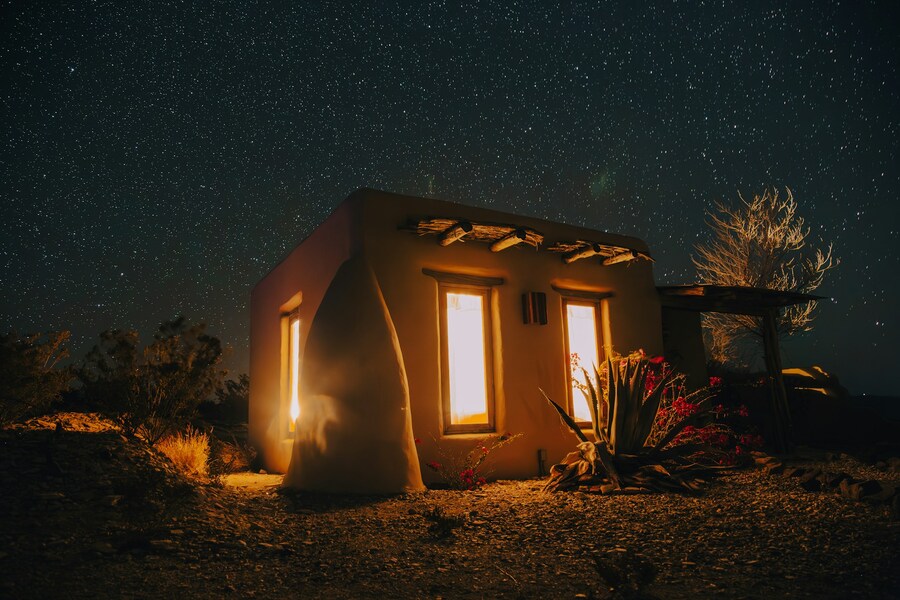
The transition to a comprehensive online reservation system has simplified the process for many travelers. Visitors must secure their spots well in advance, especially during the peak season from January through April. The primary platform for these transactions is the national recreation portal. During the off-season, some campgrounds may revert to a first-come, first-served basis, but relying on this approach during popular travel times is risky. It's recommended to check the status of your desired campground several months before your intended arrival. Moreover, group campsites, which accommodate larger parties, are subject to different booking windows and often require reservations significantly further in advance.
Camping regulations
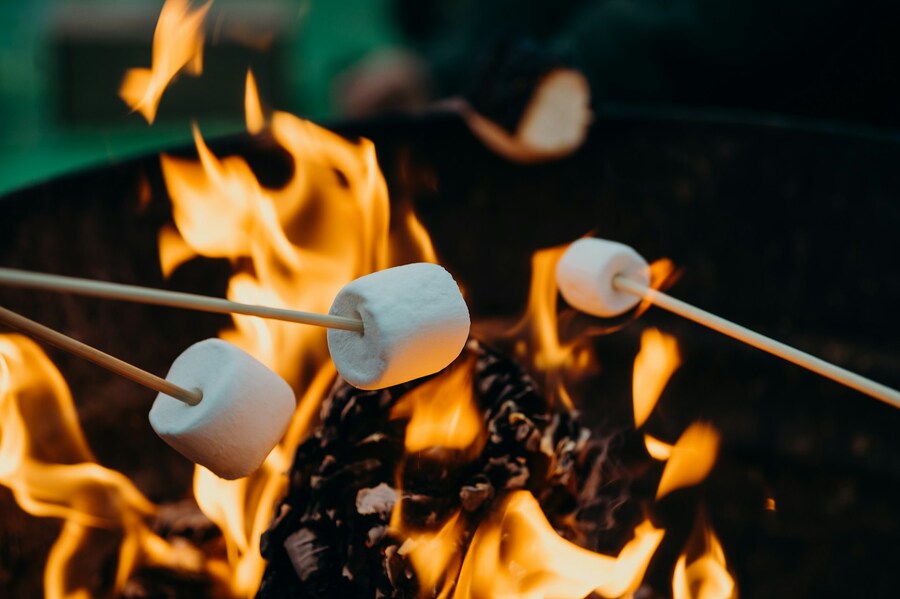
Rules in Big Bend are designed to protect both the visitor and the delicate desert ecosystem. One of the most important regulations concerns fires. Due to the high risk of wildfire and the scarcity of vegetation, wood and ground fires are strictly prohibited throughout the entire park. Visitors may only use containerized fuel stoves for cooking. When camping in developed areas, charcoal grills are permitted in designated above-ground units, provided they are managed with extreme care.
Food storage is another critical aspect of compliance. The presence of bears, javelinas, and other scavenging animals necessitates that all food, toiletries, and scented items be locked inside a hard-sided vehicle or an approved animal-proof container. Failing to adhere to these storage rules attracts wildlife, which can lead to dangerous interactions and the potential destruction of property. In addition, pet owners must be aware that dogs aren't permitted on most trails or in the backcountry. Pets must remain on a leash at all times in developed areas and cannot be left unattended in a vehicle or campsite.
Tips for camping in Big Bend National Park
Success in the desert relies heavily on preparation. Because the park is immense, it's easy to underestimate the time required to travel between different districts. Always fuel up your vehicle in neighboring towns like Terlingua or Alpine, as gas stations are scarce within the park. Water is the most precious resource; carry more than you think you'll need. Even if your campsite has a water spigot, having a personal reserve is a vital safety measure.
Temperature management is equally important. The desert can swing from sweltering heat during the day to near-freezing temperatures at night. Packing versatile, moisture-wicking layers is key to staying comfortable. Sun protection – including a wide-brimmed hat, long-sleeved shirts, and high-SPF sunscreen – isn't a suggestion but a requirement for anyone spending time outdoors. If you plan to hike, start your excursions early in the morning to avoid the midday sun, and always inform a trusted contact of your itinerary and expected return time, as cellular service is virtually nonexistent in large portions of the park.
Things to do in Big Bend National Park
While simply sitting at your campsite to enjoy the silence is a valid activity, the park offers endless opportunities for exploration. The Chisos Mountains provide miles of high-altitude trails that offer panoramic views of the entire region. The Lost Mine Trail and the South Rim are iconic routes that challenge hikers with steep climbs but reward them with some of the best vistas in Texas. For those interested in geology and river history, the Santa Elena Canyon hike is an absolute must. Walking into the mouth of the massive, vertical-walled canyon is a humbling experience.
Stargazing is another major attraction. Because the park is so isolated from major cities, it boasts some of the darkest skies in the United States. Many visitors spend their evenings sitting outside their tents, identifying constellations or watching for meteor showers. In addition, the park features numerous scenic drives, such as the Ross Maxwell Scenic Drive, which passes through stunning geologic formations and historic sites. Whether you are interested in bird watching, photography, or simply soaking in the history of the old borderlands, the park provides an endless backdrop for discovery.
Start your wilderness trek right with our booking platform – AirportParking.deals
Source: Leon Contreras/Unsplash
Before your trip, it's wise to consider the logistics of your journey. Many travelers flying in for their adventure may land at major hubs and require airport services before driving toward the wilderness. For those planning a flight, ensuring a smooth transition from the terminal to the road is essential. If you are starting your journey from a major city, you might find yourself needing reliable parking solutions. For instance, if your travel plans involve flying out of Texas, researching options like ELP Airport parking or exploring competitive ELP parking deals can provide peace of mind and help you stick to your budget, allowing you to focus your resources on the adventure ahead. By securing your vehicle in a safe, cost-effective spot, you ensure that your trip starts with ease, leaving you ready for the long drive to the desert.
The bottom line
Source: Nani Williams/Unsplash
Camping in Big Bend National Park is an unmatched experience that requires respect for the land and meticulous planning. By selecting the right campground, adhering to strict safety and wildlife regulations, and arriving prepared for the dramatic climate, you position yourself to enjoy one of the most magnificent natural environments in the country. From the high mountain peaks of the Chisos to the deep, silent canyons along the Rio Grande, the park offers a sanctuary for those willing to embrace the wilderness. Whether you are seeking a weekend of stargazing or an intense week of backcountry exploration, the desert rewards the prepared with memories that last a lifetime. Keep your expectations flexible, respect the fragile desert ecosystem, and ensure you leave every site exactly as you found it, preserving this remarkable landscape for all who follow.


