

For many travelers, the allure of the great outdoors is synonymous with the freedom of the open road. We often envision rolling down windows on a scenic highway, cruising through the entrance gates of a national park, and pulling into a convenient parking spot near a trailhead. Yet, there exists an elite collection of American wilderness areas that completely defy this standard travel narrative. These are the parks where the pavement ends long before you reach the destination, and where the true experience begins only after you leave the mainland behind. In these remote corners of the United States, silence is the default setting, wildlife remains largely undisturbed by the hum of highway traffic, and the journey itself is as significant as the arrival.
Visiting these isolated preserves requires a shift in mindset. You cannot simply decide to head to these locations on a whim; they demand careful logistical planning, a respect for unpredictable weather patterns, and the willingness to rely on specialized transportation. Whether you are soaring over snow-dusted Arctic peaks in a bush plane or navigating the rolling swells of the open ocean on a ferry, the transit into these parks serves as a cleansing transition. It strips away the distractions of modern connectivity, forcing you to engage directly with the geography, the elements, and the profound stillness of the wild. If you are seeking to escape the well-trodden tourist circuits and touch the raw, unfiltered heart of the American landscape, these are the destinations that offer the most profound rewards.
So, which remote national parks should you prioritize for your next unconventional adventure?
The U.S. National Park system's most remote treasures, accessible only by boat or plane, offer unparalleled solitude and pristine beauty, transporting visitors to timeless landscapes ranging from Florida to Alaska.
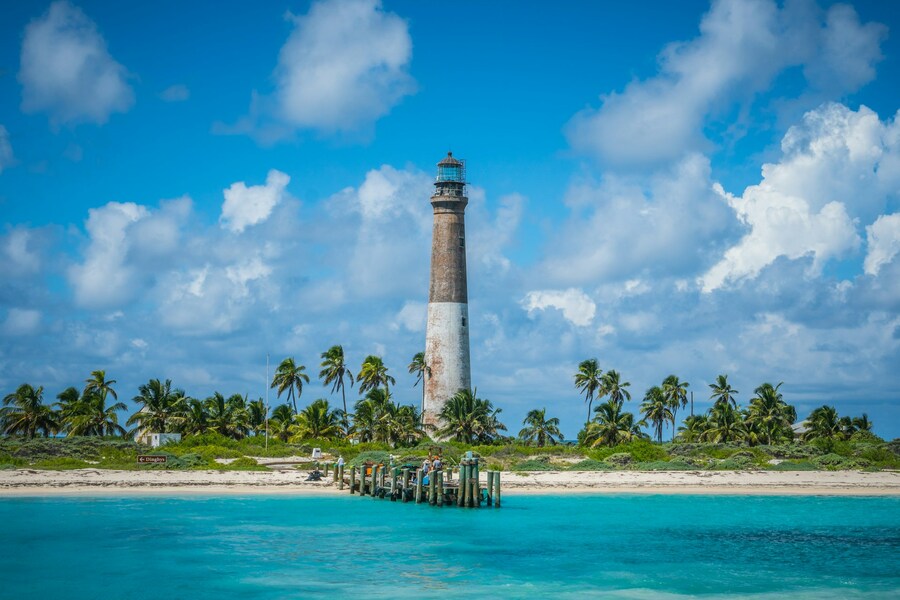
1. Dry Tortugas National Park – Florida
Source: Bryan Goff/Unsplash
Located roughly 70 miles west of Key West, Dry Tortugas National Park stands as a lonely sentinel in the Gulf of Mexico. This park is an extraordinary anomaly, composed of 7 small coral islands and the surrounding turquoise waters. The centerpiece is the massive Fort Jefferson, a Civil War-era coastal fortification that was never fully completed. Walking its moat wall offers a surreal experience: you are surrounded by a bustling, colonial-era masonry project, yet you are utterly disconnected from the mainland.
Getting here is part of the allure. Visitors generally arrive via a high-speed ferry from Key West or by seaplane. The flight on a small seaplane is perhaps the most spectacular arrival experience in the national park system, offering a bird's-eye view of the shifting blues and greens of the shallow reefs below. Once you land, the activities are focused entirely on the water. The snorkeling here is world-class, with vibrant coral heads teeming with tropical fish, nurse sharks, and sea turtles. Because there are no roads and minimal facilities – you must bring your own water and supplies – the nights spent camping under the stars in the fort's shadow provide an unparalleled level of peace. The lack of light pollution turns the sky into a glowing tapestry, reminding you that you are millions of miles away from the neon lights of city life.
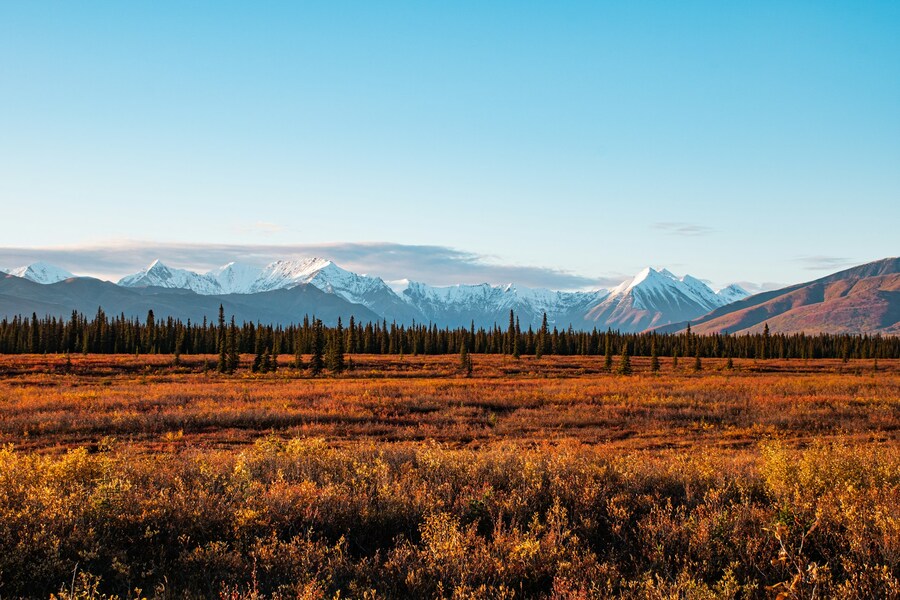
2. Gates of the Arctic National Park & Preserve – Alaska
Source: Jacob Vizek/Unsplash
If Dry Tortugas represents the gentle, sun-drenched end of the spectrum, Gates of the Arctic National Park & Preserve represents the uncompromising power of the northern wilderness. Situated entirely above the Arctic Circle, this is the northernmost national park in the United States. There are no roads leading into this territory, no established trails, and no developed campgrounds. You don't simply "visit" Gates of the Arctic; you mount an expedition into it.
The landscape is a vast, ancient expanse of glacial valleys, jagged granite spires, and rolling tundra that seems to stretch into eternity. Access is provided primarily by bush pilots who can drop you off on a gravel bar near a river or in a remote mountain pass. From that moment, you are on your own. It's a destination intended for those with advanced backcountry skills and a deep comfort with self-reliance. You might spend days hiking without seeing another soul, encountering only caribou herds, grizzly bears, and the occasional wolf. The silence is profound – a deep, resonant stillness that's rarely experienced in the lower states. It's a place that demands humility and careful planning, offering in return a glimpse of the Earth as it might have looked thousands of years ago.
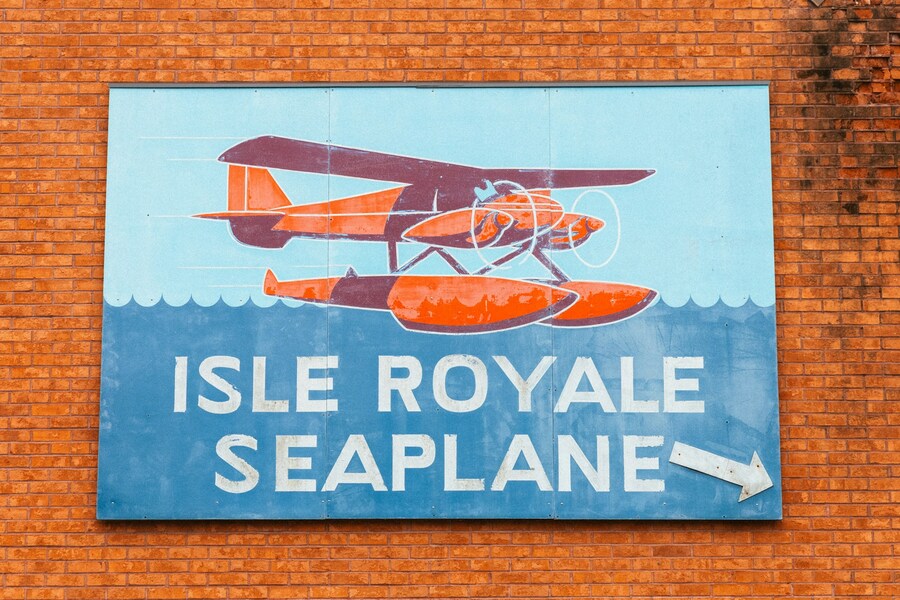
3. Isle Royale National Park – Michigan
Source: Hans/Unsplash
Nestled in the cold, expansive waters of Lake Superior, Isle Royale is a rare island-bound wilderness that offers a surprisingly rugged experience in the heart of the Midwest. This long, narrow island is reachable only by ferry or floatplane from Michigan or Minnesota. Once you arrive, you are transported into a landscape of dense boreal forests, rocky ridges, and secluded inland lakes.
The park is legendary among backpackers, largely due to its isolation and its unique predator-prey relationship involving gray wolves and moose. Hiking here is a rewarding challenge; the trails snake across rugged terrain, often hugging the dramatic shoreline or climbing to ridges that offer panoramic views of the great lake. Because the island is inaccessible by car, the pace of life slows considerably. You can spend your days paddling a rented canoe across quiet inland waters, exploring the historic Rock Harbor Lighthouse, or simply sitting on a moss-covered cliff edge watching the fog roll off the lake. It's a place of introspection, where the physical exertion of the day is matched by the psychological relief of being completely detached from the frantic energy of contemporary urban living.
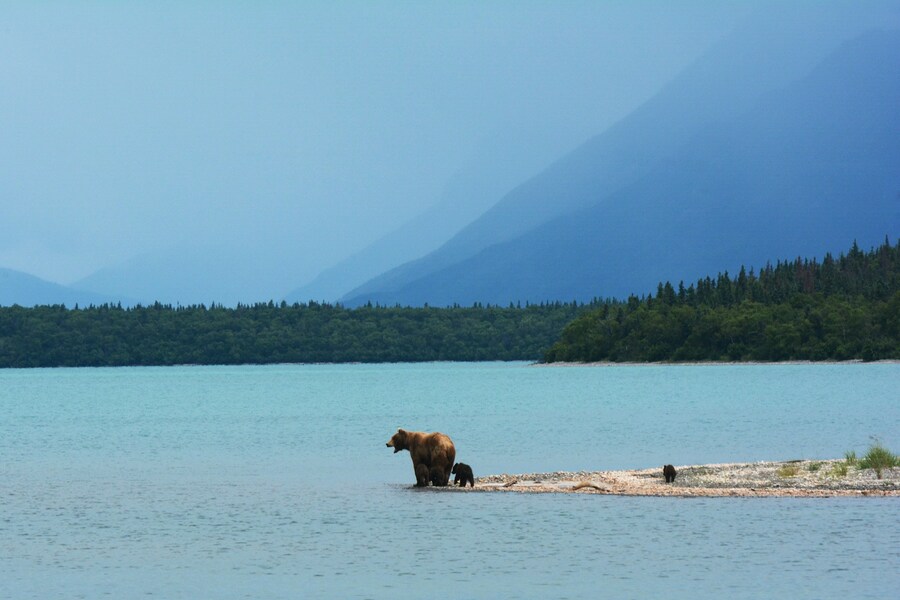
4. Katmai National Park & Preserve – Alaska
Source: Paxson Woelber/Unsplash
Katmai is best known for its legendary brown bear populations, specifically the gathering of bears at Brooks Falls during the salmon run. Watching these apex predators maneuver in the rushing water to snag leaping salmon is one of the most iconic wildlife experiences on the planet. However, Katmai is much more than its bears; it's a landscape forged by fire and ice, featuring active volcanoes and the vast, otherworldly Valley of Ten Thousand Smokes.
Accessing this remote Alaskan treasure usually involves a flight to King Salmon followed by a floatplane or boat transfer to Brooks Camp. While the camp itself is well-managed, it exists as an island of infrastructure in a vast sea of wilderness. The experience of walking along elevated platforms, mere yards away from massive bears, is a reminder of your place in the food chain. Beyond the viewing platforms, the park opens up into millions of acres of wild, untouched terrain where hikers can explore glaciers, ash-covered plains, and remote coastal habitats. It's a place that feels wild in a primal sense – a location where the natural world is still very much in charge.
5. Channel Islands National Park – California
Source: Cecilia Frost/Unsplash
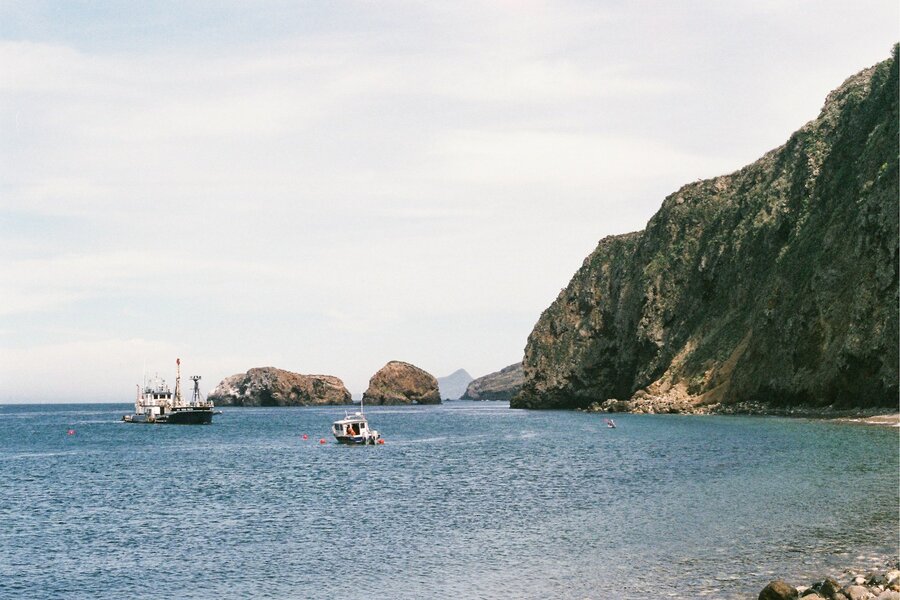
Off the coast of Southern California lies an archipelago that serves as a living laboratory of evolutionary isolation. Often referred to as the "Galápagos of North America," the 5 islands that comprise Channel Islands National Park – Anacapa, Santa Cruz, Santa Rosa, San Miguel, and Santa Barbara – are home to dozens of species that exist nowhere else on Earth. Accessible by authorized boats or chartered planes from the mainland, these islands feel remarkably removed from the crowded sprawl of nearby Los Angeles.
The magic of the Channel Islands lies in the diversity of their landscapes. You can spend your morning sea kayaking through spectacular sea caves on Santa Cruz Island and your afternoon hiking along the wind-swept ridges of Santa Rosa, searching for the rare island fox. The marine environment is equally rich, with kelp forests providing habitat for sea lions, dolphins, and migrating whales. Camping on the islands is a special experience; you are essentially sleeping in a remote sanctuary where the only sounds are the wind, the waves, and the occasional bark of a sea lion. For those looking to combine a unique environmental history with rugged outdoor adventure, the Channel Islands offer a rare glimpse of how the California coast might have looked before the modern era.
Simplify your journey with our intelligent reservation system – AirportParking.deals
As you plan your journey to these extraordinary destinations, logistics will play a vital role in ensuring a smooth experience. For travelers flying into the region for these adventures, securing reliable transport for your vehicle is a key step. You may find that organizing your travel, including finding the right MIA parking deals, simplifies the start of your trip, allowing you to focus on the remote wilderness awaiting you rather than the stresses of airport transit. Efficient use of local resources, such as those found through reputable MIA Airport parking services, helps ensure that you can transition seamlessly from the bustle of the city to the quiet of the wild.
Conclusion
Visiting a remote national park requires commitment, patience, and preparation, rewarding travelers with an authentic sense of adventure rare in our connected world. Moving beyond the highway network forces a vital internal shift, stripping away digital distractions and placing you in environments that operate on nature's schedule rather than your own. Whether exploring Florida's historic ruins or Alaska's rugged wilderness, these experiences foster a deep connection to the earth. Ultimately, these journeys serve as a powerful reminder of our role as stewards of fragile landscapes. You leave these sanctuaries carrying a reservoir of peace and wildness, returning to daily life with a clearer, more resonant perspective on the world around you.


