

Modern air travel has undergone a radical transformation, evolving from a simple logistics challenge into a sophisticated exercise in efficiency and strategic planning. For the contemporary American traveler, the terminal is no longer just a gateway but a testing ground for one's ability to navigate complex biometric systems, shifting airline policies, and the ever-shrinking physical space of the aircraft cabin. The pursuit of a seamless journey begins long before you reach the TSA checkpoint; it starts on the bedroom floor with an open suitcase and a critical eye. Packing is often viewed as a mundane chore, yet it remains the most influential factor in determining your mobility, comfort, and financial bottom line throughout your trip.
The "secret" to masterful packing is not found in a single viral gadget or a specific folding technique, but rather in a holistic shift in mindset. It requires transitioning from a "just in case" philosophy to a "just what's necessary" strategy. This evolution is driven by the reality of 2026 aviation, where baggage fees are increasingly tiered and overhead bin space is a premium commodity. Mastering the art of the carry-on or the perfectly balanced checked bag allows travelers to bypass long check-in lines, avoid the anxiety of lost luggage, and maintain a level of agility that makes navigating crowded international hubs or cobblestone European streets significantly less daunting. By understanding the interplay between your gear, your itinerary, and the technical constraints of modern aircraft, you can unlock a version of travel that is defined by freedom rather than burden.
So, how can you master the modern air travel experience through strategic packing?
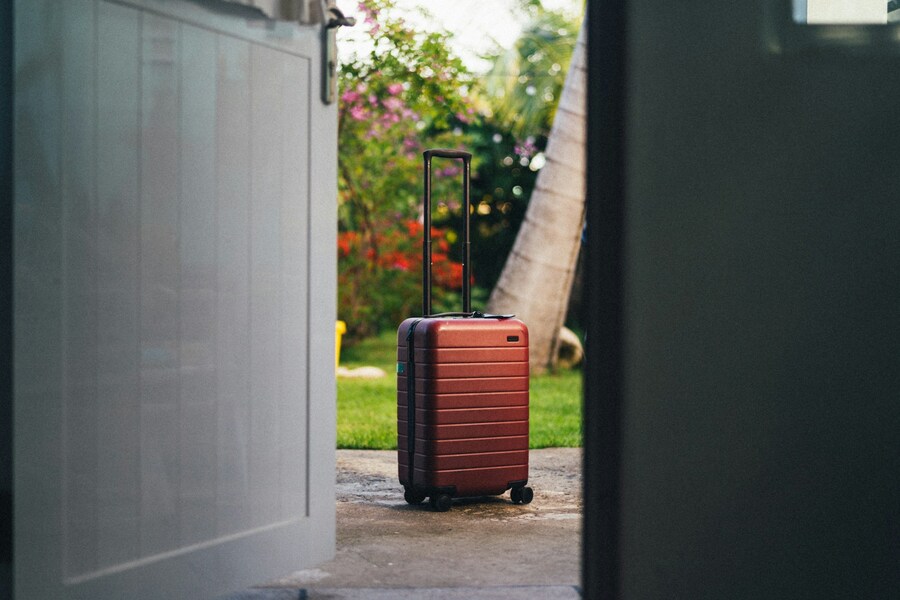 Source: Kit/Unsplash
The architecture of a successful trip is built upon the foundation of what you choose to carry with you. To truly master the experience, one must move beyond the basic checklist and consider the nuances of weight distribution, textile technology, and the logistical realities of the journey. The following sections explore the core pillars of packing efficiency, designed to streamline your transition from the front door to the boarding gate.
1. Evaluate your transit methods and logistical constraints
Before a single garment is selected, you must conduct a thorough audit of your entire transit chain. While the flight is the centerpiece, the "mode of transportation" encompasses every leg of the journey, including the ride to the airport, the train between terminals, and the final walk to your accommodation. If your trip involves a high-speed rail connection in a foreign city or a small regional aircraft with limited overhead capacity, a massive hardshell suitcase becomes a liability. Consider the physical demands of your itinerary; a bag that's easy to hoist into a luggage rack or roll across a gravel driveway is far more valuable than one that offers slightly more internal volume but lacks maneuverability.
Moreover, the physical dimensions of your luggage should align with the specific aircraft scheduled for your route. With the increasing use of narrow-body aircraft for long-haul flights, such as the Airbus A321XLR, overhead bins are designed differently than those on wide-body jets. A bag that fits perfectly on a Boeing 787 might require gate-checking on a smaller regional jet. By prioritizing versatile, soft-sided luggage or internationally compliant carry-on dimensions, you ensure that your "mode of transportation" never becomes a bottleneck. This proactive approach allows you to remain nimble, adapting to gate changes or tight connections without the physical strain of over-encumbered gear.
2. Navigate the complexities of airline weight regulations
The financial landscape of modern aviation is heavily influenced by weight. Every major carrier, from legacy airlines to ultra-low-cost carriers, has refined its ability to monetize the mass of your belongings. "Knowing your airline's weight limit" is no longer a suggestion – it's a mandatory step in financial planning for your trip. In the current era, these limits are often enforced with digital precision at self-service bag drops. Even a few ounces over the threshold can trigger significant surcharges that often exceed the cost of the flight itself.
To avoid these penalties, invest in a reliable digital luggage scale and use it during the initial packing phase, not just at the final moment. It's also essential to recognize that weight limits aren't universal; they vary based on your fare class, frequent flyer status, and the specific region you are traversing. Domestic flights within the United States may offer more leniency than intra-European or Asian routes, where carry-on weight is often capped at a strict 7kg (15.4 lbs). By knowing these numbers ahead of time, you can redistribute heavy items like electronics or shoes into your personal item, which is rarely weighed, thereby optimizing your "weight footprint" across all your carrying capacity.
3. Maximize every cubic inch of internal volume

Source: Jason Leung/Unsplash
Once the constraints are understood, the focus shifts to internal architecture. To "make every inch of space count" is to treat your suitcase like a high-stakes puzzle. Traditional folding is often the least efficient use of space, creating air pockets and unnecessary bulk. Instead, consider the integration of compression technology and modular packing systems. Packing cubes have transitioned from a niche enthusiast tool to an essential component of the organized traveler's kit. They allow you to categorize items, compress air out of soft goods, and maintain a structured interior that prevents shifting during transit.
Beyond cubes, look for the "dead space" that naturally occurs within a suitcase. The interiors of shoes are prime real estate for socks, chargers, or fragile items. The gaps between the structural ribs of a suitcase handle can house rolled belts or scarves. For those seeking maximum efficiency, the "bundle wrapping" method – where clothes are wrapped around a central core of soft items – can virtually eliminate wrinkles while using every available millimeter. The goal is a dense, stable load that minimizes the need for a larger bag, thereby maintaining your mobility and reducing the likelihood of your items being damaged during the rigors of baggage handling.
4. Implement a rigorous outfit architecture strategy
Packing is effectively a project management task where "outfit planning" serves as the primary roadmap. Rather than packing individual pieces you like, you should pack "looks" that are built around a cohesive color palette. The rule of thumb for the modern traveler is the "Power of Three": three tops for every bottom, ensuring that every item can be worn in at least two or three different combinations. This modular approach allows you to transition seamlessly from a professional meeting to a casual dinner without doubling the volume of your luggage.
Focus on high-performance textiles that offer versatility. Merino wool, for instance, has become a staple for seasoned travelers due to its ability to regulate temperature, resist odors, and dry quickly. By selecting garments that serve multiple purposes – such as a tailored blazer that works for a business event but also pairs with jeans – you reduce the total item count while increasing your sartorial options. This strategic layering not only saves space but also prepares you for the unpredictable micro-climates of pressurized airplane cabins and varying outdoor environments. When every item in your bag earns its place through utility and compatibility, the "packing secret" is essentially solved.
5. Conduct a final audit to eliminate superfluous items
The final and perhaps most difficult step in the process is the "ruthless edit." After the bag is packed, "think twice about every item" before zipping it shut. Most travelers consistently over-pack by approximately 20%, bringing items they never actually wear. Lay everything out and identify the "just in case" items – the extra pair of heavy boots, the third evening dress, or the heavy hardback book. In the age of digital convenience, many of these items are either redundant or can be easily acquired at your destination if an actual emergency arises.
Ask yourself: "When exactly will I wear this?" If the answer depends on a hypothetical scenario that has less than a 90% chance of occurring, leave the item behind. This final audit is about reclaiming your freedom. A lighter bag means less physical fatigue, faster navigation through terminals, and more space for souvenirs or essentials gathered during the trip. It's a commitment to a minimalist aesthetic that prioritizes the experience of the journey over the accumulation of possessions. By stripping away the non-essential, you arrive at a packing list that's perfectly tuned to your needs, ensuring that your focus remains on the destination rather than the luggage.
Streamline the start of your journey with our booking platform – AirportParking.deals!

Source: Lucas Sankey/Unsplash
Beyond the suitcase, the efficiency of your travel day is often dictated by the very first step: how you get to the terminal. For many travelers departing from the East Coast, managing the logistics of the airport perimeter is a crucial part of the process. Securing a reliable spot for your vehicle can eliminate the stress of last-minute scrambles. Many frequent flyers find that utilizing RIC Airport parking provides a necessary layer of predictability to their itinerary. By taking advantage of various RIC parking deals, you can ensure that your car is handled professionally while you focus on navigating the security lines. Integrating this kind of logistical foresight into your travel plan is just as important as the items you pack, as it sets a calm, organized tone for the entire trip.
Conclusion

Source: ian dooley/Unsplash
The "packing secret" is ultimately a blend of preparation, technology, and self-discipline. By viewing your luggage as a functional tool rather than a storage container, you empower yourself to navigate the complexities of 2026 air travel with confidence. Whether it's through evaluating your transit methods, strictly adhering to weight limits, maximizing internal volume, planning modular outfits, or performing a final ruthless edit, each step contributes to a more streamlined and enjoyable experience.
In a world where travel can often feel chaotic and restrictive, the ability to pack efficiently is a form of agency. It allows you to move through the world with less friction, lower costs, and a heightened focus on the cultural and professional goals of your journey. As you prepare for your next American adventure, remember that the best-packed bag is the one that you barely notice – the one that supports your movements without dictating them. Master these five hacks, and you'll find that the secret to a great trip isn't what you bring, but how intelligently you carry it.


